Science Meets Skincare.
In-depth ingredient breakdowns, routine guides, trend analysis, and product deep dives — written by people who care about the science.
Editor's Pick

PDRN: The Salmon DNA Revolution Taking Over Korean Skincare Clinics
Polydeoxyribonucleotide extracted from salmon sperm DNA was once the exclusive domain of medical clinics treating chronic wounds and sports injuries. Today, it's the most talked-about anti-aging active in K-Beauty, appearing in serums, ampoules, and even at-home devices. We explore the science, the evidence, and why dermatologists are genuinely excited.
Read Article →Top-ranked products by clinical evidence & value
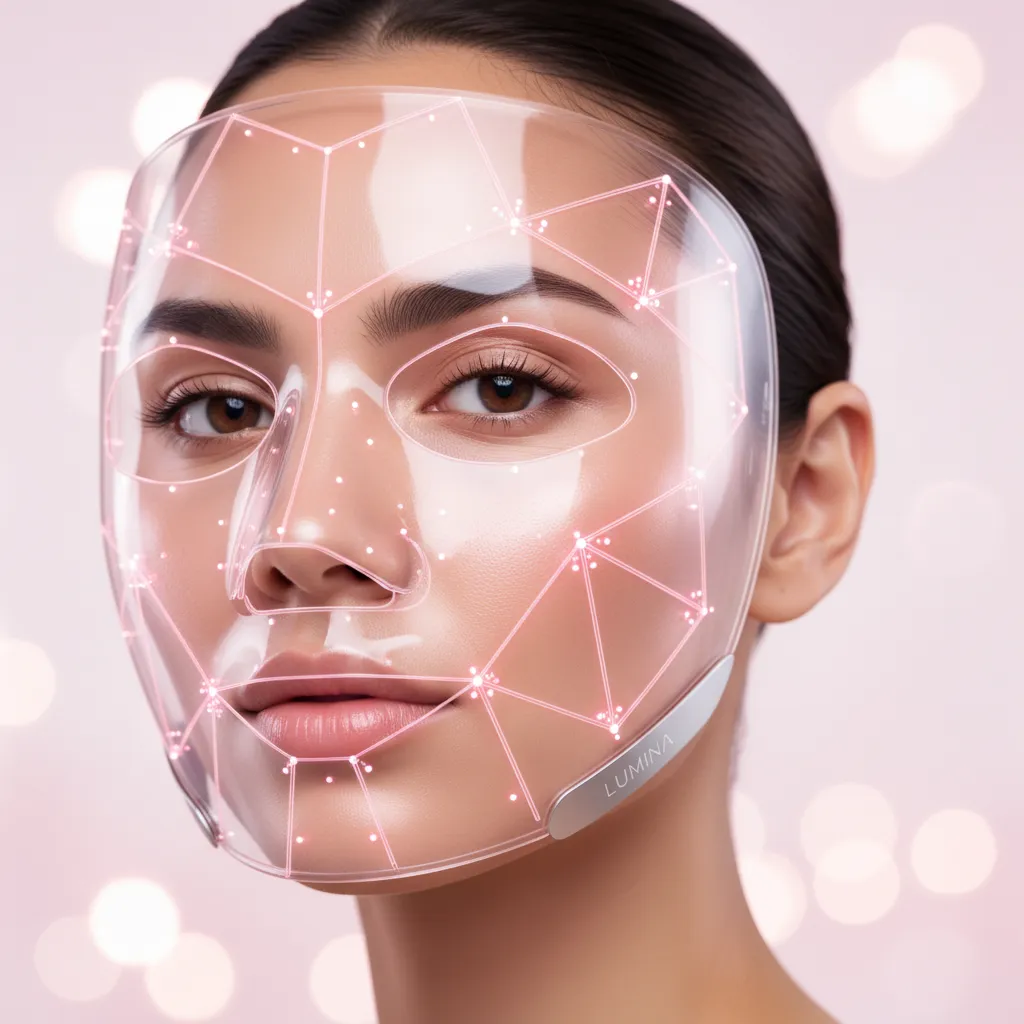
Best LED Face Masks 2026: Ranked by Irradiance, Evidence & Value
We rank the top LED face masks by the metrics that matter: irradiance (mW/cm²), wavelength accuracy, and published RCT data. CurrentBody, Omnilux, Dr. Dennis Gross and beyond.
Read More →
Best Microcurrent Devices 2026: NuFACE, ZIIP, Foreo Bear & More Ranked
Microcurrent at 200–800 microamps measurably tones facial muscles and boosts ATP synthesis. We rank the best at-home devices by output accuracy, protocol quality, and clinical evidence.
Read More →
Best Retinol Serums 2026: Ranked by Concentration, Stability & Tolerance
Retinol is the single most clinically validated OTC anti-aging active. But formulation quality varies enormously. We rank the top serums by concentration accuracy, stability, and skin tolerance.
Read More →
Best Vitamin C Serums 2026: Ranked by Potency, Stability & Photoprotection Evidence
L-ascorbic acid at 15–20% below pH 3.5 is the gold standard for photoprotection and brightening. We rank the best formulas by concentration, stability, and the Duke ferulic formula evidence.
Read More →
Best Niacinamide Serums 2026: From 5% to 15%, Ranked by Results & Tolerance
Niacinamide reduces pores, fades hyperpigmentation, and strengthens the barrier — but concentration and formulation complexity vary wildly. The best serums ranked across all price tiers.
Read More →
Best Hyaluronic Acid Serums 2026: Multi-Molecular Weight Formulas That Actually Hydrate
High MW HA films the surface. Low MW HA penetrates deeper. Multi-weight formulas do both — but application technique determines whether any of it works. The best HA serums ranked.
Read More →
Best Azelaic Acid Products 2026: Serums, Creams & Gels Ranked
Azelaic acid at 10–20% treats acne, hyperpigmentation, and rosacea with a clinical evidence base most OTC ingredients can't match. The best topical formulations from budget to prescription-adjacent strength.
Read More →
Best Korean Sunscreens 2026: No White Cast, SPF50+ Formulas Ranked
Korean sunscreen formulation science uses next-generation UV filters unavailable in the US, achieving SPF50+ with near-invisible texture. The best K-beauty sun protection products ranked.
Read More →
Best Snail Mucin Products 2026: From Essences to Creams, Ranked by SSF Concentration
Snail secretion filtrate at 92–96% delivers allantoin, natural HA, copper peptides, and glycoproteins simultaneously. We rank the best products by concentration and formulation synergy.
Read More →
Best Ceramide Moisturizers 2026: Barrier-Rebuilding Creams Ranked by Lipid Complex Completeness
Ceramides 1, 3, and 6-II combined with cholesterol and fatty acids at a 1:1:1 ratio rebuild the skin barrier at a molecular level. The best ceramide moisturizers ranked by lipid science.
Read More →
Best Men's Face Moisturizers 2026: What Actually Differs From Women's Formulas
Male skin is measurably thicker, oilier, and more collagen-dense — and daily shaving creates its own barrier demands. We rank the moisturizers genuinely formulated around those differences.
Read More →Best K-Beauty Collagen Serums 2026: What Topical Collagen Actually Does
Collagen molecules are too large to penetrate the skin barrier intact. We explain the real mechanism — hydrolyzed peptides, humectancy, film-forming effects — and rank the best formulas.
Read More →
Best Eye Creams 2026: Ranked for Dark Circles, Puffiness & Fine Lines
Caffeine, vitamin K, and peptides aren't interchangeable — they solve three different problems. We break down which active addresses which concern and rank the best formulas.
Read More →
Best K-Beauty Cleansing Oils 2026: The Double Cleanse Method Explained
Double cleansing isn't a gimmick — it's basic 'like dissolves like' chemistry. We explain the science and rank the best cleansing oils and balms.
Read More →Best K-Beauty Toners 2026: Why Korean 'Skin' Isn't Western Astringent Toner
Western toner meant alcohol-based astringent. Korean toner functions as a pH-balancing hydration layer instead. We explain the difference and rank the best formulas by skin type.
Read More →
Best Sheet Masks 2026: What Occlusion Actually Does for Your Skin
Sheet masks work through a genuine dermatological mechanism — occlusion, not magic. We explain why a soaked sheet outperforms serum alone and rank the best formulas.
Read More →Best Micellar Waters 2026: The Real Chemistry Behind No-Rinse Cleansing
Micellar water works through genuine colloid chemistry — self-assembling surfactant spheres that trap oil-based debris without rinsing. We rank the best formulas.
Read More →Best Body Lotions 2026: Why Body Skin Needs Different Formulas Than Your Face
Body skin has fewer oil glands and a thicker stratum corneum than facial skin. We explain the real physiological differences and rank the best formulas by skin need.
Read More →
Best Body Sunscreens 2026: Why Face SPF and Body SPF Aren't the Same Formula
Full-body application requires roughly a shot glass of sunscreen. We explain why body SPF formulation differs from face SPF, including the reef-safe regulatory context.
Read More →Best Derma Rollers 2026: Needle Length, Safety, and What Microneedling Actually Does
At-home rollers use 0.2–0.3mm needles for a genuinely different, safer purpose than professional microneedling. The safety distinctions that actually matter.
Read More →
Best Toner Pads 2026: The K-Beauty Exfoliation Step Nobody Explains Properly
The embossed side of a toner pad is doing real mechanical exfoliation work alongside whatever acid is soaked in. We explain the two-layer mechanism and rank the best formulas.
Read More →Best Under-Eye Patches 2026: Gold, Caffeine, and Collagen — Ranked by What Actually Works
24K gold, hydrogel, caffeine, snail mucin — we separate what each ingredient plausibly does from what's cosmetic storytelling, and rank the best patches.
Read More →
Best Acne Spot Treatments 2026: Hydrocolloid Patches vs. Benzoyl Peroxide vs. Salicylic Acid
A hydrocolloid patch and a benzoyl peroxide cream solve genuinely different problems. We break down which spot treatment fits which stage of a breakout.
Read More →
Best Sleeping Masks 2026: Do Overnight Masks Actually Do More Than a Thick Moisturizer?
We explain the real formulation differences between a sleeping mask and a night cream, and rank the best overnight options from budget to luxury.
Read More →
Best Facial Oils 2026: Squalane, Rosehip, and Argan — What Each One Actually Does
Squalane, rosehip, and argan have genuinely different fatty acid profiles and best-fit skin types. We break down the differences and rank the best oil for each purpose.
Read More →Best Korean Sun Sticks 2026: Why This Format Beat Lotion Sunscreen for Reapplication
Sun sticks solved the single biggest reason people skip SPF reapplication — mess. We explain the real trade-offs of the stick format and rank the best Korean sun sticks.
Read More →
Best Korean Cushion Foundations 2026: The Format That Changed How the World Wears Base Makeup
Cushion compacts pack liquid foundation into a sponge-soaked well for a genuinely different application experience. We explain the format's real trade-offs and rank the best Korean cushions.
Read More →Best Korean First Essences 2026: What Fermented 'Pre-Serum' Actually Does
The 'first essence' step is one of K-beauty's most exported concepts, popularized by SK-II and reinterpreted at every price point since. We explain the real mechanism and rank the best options.
Read More →Best Korean Pore Care Products 2026: Why You Can Minimize Pore Appearance But Not Pore Size
Pores don't have muscles and can't physically shrink — but their appearance genuinely can improve. We explain what's mechanistically possible and rank the best Korean products.
Read More →Best Korean Clay & Wash-Off Masks 2026: The Weekly Treatment Step Most Routines Skip
Wash-off masks sit between a daily cleanser and a leave-on treatment. We explain how clay and exfoliating wash-off masks actually work and rank the best Korean options.
Read More →Best Korean Lip Sleeping Masks 2026: Why Lip Skin Needs Its Own Overnight Step
Lip skin has no oil glands and no stratum corneum barrier the way facial skin does. We explain why a dedicated overnight treatment genuinely outperforms lip balm and rank the best options.
Read More →
Best Korean Lip Tints 2026: The Gradient-Lip Format Explained
Korean lip tints are formulated for staining, not covering — a genuinely different chemistry from Western matte liquid lipstick. We explain the mechanism and rank the best options.
Read More →Best Korean Lip Balms 2026: Daily Protection Without the Overnight Commitment
A daytime lip balm and an overnight lip sleeping mask solve related but distinct problems. We explain the difference and rank the best Korean daytime lip balms.
Read More →Best Korean Lip Plumping Oils 2026: What's Actually Making Your Lips Look Fuller
'Plumping' lip oils work through a mix of genuine mechanisms and temporary sensory tricks. We explain how to tell them apart and rank the best Korean lip plumping oils.
Read More →Best Korean Lip Mask Patches 2026: The Physical-Barrier Approach to Chapped Lips
A lip mask patch works closer to a hydrocolloid bandage than a balm. We explain the format and rank the best Korean lip patches.
Read More →Best Hand Creams 2026: Why Hand Skin Chaps Faster Than Anywhere Else on Your Body
Hands are washed more often and carry a thinner protective layer than most facial skin. We explain why hand cream has to solve a different problem than body lotion and rank the best formulas.
Read More →Best Body Oils 2026: What Oil Adds That Lotion Doesn't
Body oil and body lotion aren't interchangeable — oil is purely occlusive with no water content. We explain when each format actually makes sense and rank the best body oils.
Read More →
Best Forehead Wrinkle Patches 2026: What Face Tape Can and Can't Actually Do
Wrinkle patches work by physically holding skin still, not by delivering any active ingredient. We explain what's real and rank the best options.
Read More →
Best Jade Rollers & Gua Sha Tools 2026: Separating the Ritual From the Result
Jade rollers and gua sha tools produce real, immediate, visible effects — but they're temporary and mechanical, not structural. We explain the honest mechanism and rank the best tools.
Read More →
Best Exfoliating AHA/BHA Toners 2026: Daily Liquid Exfoliant vs. Weekly Peel
A 5% glycolic toner and a 30% AHA peeling solution are both 'exfoliating toners' by marketing category, but using them the same way risks over-exfoliation. We rank the best options by intended use.
Read More →
Skin Cycling in 2026: The Dermatologist-Coined Method That Actually Held Up
Skin cycling is one of the rare skincare trends that originated with an actual dermatologist rather than social media. We explain the four-night method and where it's evolved for 2026.
Read More →
K-Beauty's Microbiome Movement: What Prebiotic, Probiotic & Postbiotic Skincare Actually Means
Prebiotic, probiotic, and postbiotic are used almost interchangeably in marketing, but they're three genuinely different ingredient categories. We define each precisely.
Read More →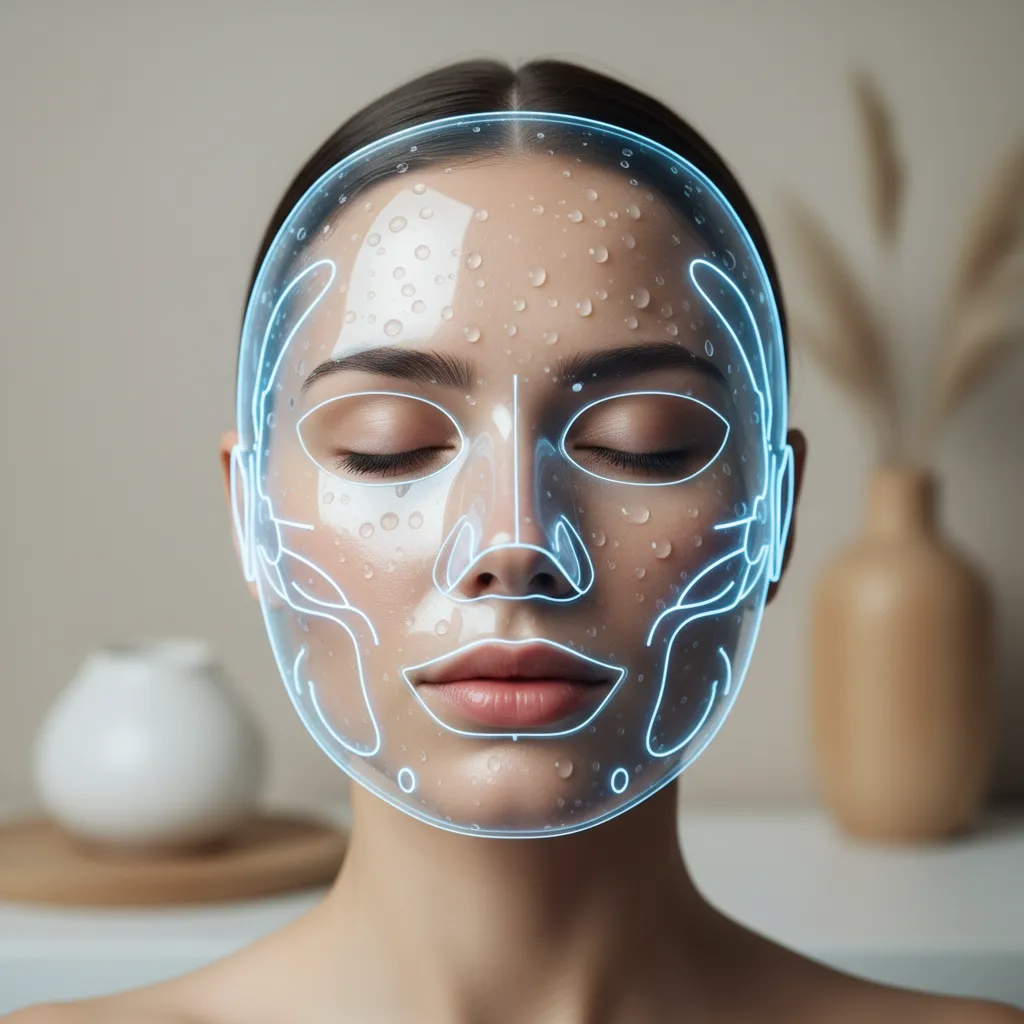
AI Skin Diagnostics: How Korean Beauty Tech Is Personalizing Skincare in 2026
Amorepacific, Samsung, and LG all showcased AI-driven skin analysis at CES 2026. We explain what these systems actually measure, and where consumer-facing AI still oversells its precision.
Read More →Best Korean Enzyme Powder Cleansers 2026: Why Powder-to-Foam Solves a Real Stability Problem
Enzyme cleansers are sold as a dry powder for a genuine formulation reason — enzymes are unstable in water. We explain why and rank the best Korean powder-to-foam cleansers.
Read More →Best Korean Probiotic & Microbiome Skincare 2026: Postbiotic Formulas Ranked
Korean brands have formulated with postbiotic fermented ingredients for over a decade. We rank the best current formulas by fermented-ingredient concentration and formulation quality.
Read More →Tranexamic Acid in Skincare: The Melasma Ingredient Rivaling Hydroquinone
Tranexamic acid blocks the plasmin pathway that UV exposure activates to trigger melanin production. Clinical trials now show it performing comparably to hydroquinone with fewer side effects.
Read More →Mugwort in K-Beauty: What the Science Says About Artemisia's Calming Reputation
Mugwort has become K-beauty's go-to calming herb, but the evidence behind it is more limited — and more specific — than the marketing suggests. We break down what's actually been studied.
Read More →Best Korean Tranexamic Acid Serums 2026: Ranked for Dark Spots & Melasma
Korean brands were early and prolific adopters of tranexamic acid, pairing it with niacinamide and centella. We rank the best current formulas by concentration and complementary ingredients.
Read More →Best Korean Mugwort Products 2026: Ranked for Sensitive & Reactive Skin
Mugwort's evidence base is more limited than centella's, but it's genuinely useful — and Korean brands have built some of the best-formulated options in this category.
Read More →What Is K-Beauty? The Philosophy, History, and Science Behind Korean Skincare
K-beauty isn't a marketing category — it's a genuinely distinct approach shaped by South Korea's regulatory environment, rapid product iteration, and a preventive skincare philosophy.
Read More →
Heartleaf (Houttuynia Cordata): K-Beauty's Calming Ingredient
Heartleaf became one of K-beauty's biggest ingredient stories almost overnight. The lab data is real but mostly preclinical — here's what it can and can't do for irritated skin.
Read More →
Propolis in Skincare: The Bee Resin Behind K-Beauty's Glow Serums
Propolis delivers a genuine glow and antibacterial activity, but it's also one of the more common contact allergens in natural skincare. Both halves matter.
Read More →Salicylic Acid (BHA): The Only Acid That Gets Inside the Pore
Salicylic acid's oil solubility is what separates it from every AHA. Here's the concentration, pH, and formulation detail that decides whether it works on your skin.
Read More →Best Korean Night Creams 2026: What Overnight Repair Actually Requires
Barrier lipids, occlusion, and time. The best Korean night creams get all three right — and a $20 tub can outperform a $200 one on the metrics that matter.
Read More →Best Korean Scalp Serums 2026: Treating the Scalp as Skin
Korean scalp care treats the scalp like facial skin — barrier, microbiome, and follicle support. Useful, but not a replacement for proven hair-loss drugs.
Read More →Glycolic Acid & AHAs: The Surface Exfoliants, Explained Properly
Glycolic acid is the smallest AHA, which is exactly why it penetrates fastest and irritates most. The concentration and pH rules regulators actually set, and the sun-sensitivity data.
Read More →Squalane: The Boring Oil That Works on Almost Everyone
Squalane is a hydrogenated version of a lipid your own skin already makes. That one chemical change is why it doesn't oxidise, doesn't clog pores, and suits nearly every skin type.
Read More →Glass Skin: What the K-Beauty Ideal Actually Means
'Yuri pibu' is the most exported idea in K-beauty and the most misread. It describes a hydration and texture state, not poreless perfection — and that changes what you should be doing.
Read More →Best Glycolic Acid & AHA Products 2026: Ranked by Concentration and Tolerability
The best AHA product isn't the strongest one — it's the strongest one your skin will tolerate three times a week for a year. Ranked by acid type, concentration, and who each suits.
Read More →
Best Korean Rice Skincare 2026: Why Rice Water Became a K-Beauty Staple
Rice extract is one of K-beauty's oldest ingredients and one of its most oversold. The brightening claims run ahead of the evidence — but as a gentle hydrator it earns its shelf space.
Read More →Fermented Skincare: What Galactomyces and Ferment Filtrates Actually Do
Fermentation built the Korean essence category. Galactomyces has more mechanistic research behind it than most botanicals — and a founding story that deserves more scepticism than it gets.
Read More →Ginseng in Skincare: The Evidence Behind Korea's Signature Ingredient
Ginseng anchors Korea's entire luxury tier, and unlike most heritage botanicals it has actual randomised trial data for wrinkles. The trials are small — but they exist.
Read More →
Hyperpigmentation: How to Actually Fade Dark Spots
Melasma, post-inflammatory marks, and sun spots are three different problems that respond to different things. Getting the diagnosis right matters more than which serum you buy.
Read More →Slugging: The One Viral Skincare Trend With Real Evidence Behind It
Sealing your face with petrolatum overnight sounds like it should cause breakouts. The barrier data is strong — but what you layer underneath matters more than the product itself.
Read More →Best Korean Ginseng Skincare 2026: From $18 Essence to $240 Cream
Ginseng skincare spans a thirteen-fold price range with the same nominal hero ingredient. We rank each tier and say where the money buys formulation and where it buys packaging.
Read More →
Acne: What Actually Clears It, Ranked by Evidence
Dermatology guidelines are unusually clear about what works for acne, and the answer is mostly two ingredients used together. The evidence tier list, and when topicals stop being the answer.
Read More →Fungal Acne (Malassezia Folliculitis): Why Your Acne Routine Isn't Working
It isn't acne and it isn't fungus in the way you'd assume — it's a yeast overgrowth in the follicle that mimics acne and gets worse with acne treatment. How to tell, and what works.
Read More →Double Cleansing: The Chemistry, and When You Can Skip It
K-beauty's most exported technique rests on one piece of secondary-school chemistry. It solves a real problem — but the problem is narrower than the routine implies.
Read More →
Adenosine: The Anti-Wrinkle Ingredient Korea Regulates and the West Ignores
Adenosine is in a remarkable share of Korean products and almost no Western ones. That gap isn't about efficacy — it's about a regulatory category with no equivalent outside Korea.
Read More →Best Korean Acne Products 2026: Where K-Beauty Helps and Where It Doesn't
Korean acne products excel at calming, barrier support and spot management — and are largely absent from the ingredient tier with the strongest clinical evidence. Knowing which job you're hiring them for is the whole game.
Read More →Cooling Skincare and 'Skin Heat': The K-Beauty Trend Behind Cryo Masks
Korean dermatology calls it pibu-yeol — skin heat — and it's the fastest-growing idea in K-beauty this year. The vasoconstriction is real; the lasting benefits are a much smaller claim.
Read More →Best Cooling & Cryo Skincare 2026: What's Worth Buying in the Year's Fastest-Growing Category
The cryo category exploded this year, so plenty of ordinary products acquired a cooling claim. We rank by what actually lowers skin temperature versus what just feels like it does.
Read More →Polynucleotides vs PDRN: The Distinction Korea's Clinics Care About
PN and PDRN both come from salmon DNA and are not the same molecule. The difference explains Rejuran's rise — and why almost none of that evidence transfers to the serum on your shelf.
Read More →Body Skinification: Why Korean Body Care Became the Fastest-Growing Category
Body care is getting ampoules, PDRN and PHAs — the same actives as your face. Some translates genuinely, some is a price rise with a serum bottle attached, and the Italy towel needs a warning.
Read More →Panthenol (Vitamin B5): The Ingredient Doing the Quiet Work in Your Routine
Panthenol is in almost every calming and barrier-repair product made, and almost never on the front of the box. It's exactly as good as it claims and no better.
Read More →High-growth categories & editor picks
Peptide Complex Hair Density Serums: The Science of Copper Tripeptides and Hair Growth
GHK-Cu, Biotinoyl Tripeptide-1, and Redensyl are rewriting hair-loss treatment. The peer-reviewed science behind the $60–$90 leave-in serums dominating scalp health search.
Read More →Vitamin C + E + Ferulic Acid Serums: The Science Behind the Most Trusted Antioxidant Formula
The Duke University antioxidant trio doubles photoprotection and stimulates collagen. The peer-reviewed evidence behind every $80–$185 bottle.
Read More →Deep-Infusion Bio-Collagen Hydrogel Face Masks: The Science of Overnight Glass Skin
Hydrogel masks deliver sustained hydration via controlled polymer release — categorically different from sheet masks. We break down the colloid chemistry.
Read More →Serum Foundation with SPF: The Science Behind Skincare-Makeup Hybrids
Niacinamide, peptides, and broad-spectrum SPF in a fluid base — the convergence of clinical skincare and colour cosmetics, formulation science explained.
Read More →Multi-Peptide Plumping Lip Treatment Oils: The Science of Structural Lip Care
Lips have no sebaceous glands and a thinner stratum corneum — making them uniquely receptive to topical actives. The peptide and lipid science behind luxury lip oils.
Read More →
Circadian Rhythm Night Creams: The Science of Chrono-Peptides and Nocturnal Skin Repair
Your skin runs a molecular clock. Advanced night creams formulated with chrono-peptides and time-released antioxidants are engineered to work with it.
Read More →
At-Home Microcurrent & EMS Facial Sculpting: The Science Behind the Lifted Jawline
NuFACE, ZIIP, and Foreo Bear deliver measurable facial toning — but the physics of electrical stimulation explains why technique matters more than brand.
Read More →Ultra-Sheer Tinted Mineral Sunscreens SPF 40+: The Science of Zero White Cast
Solving the white cast problem required two decades of particle physics, iron oxide chemistry, and emulsion science. How the best tinted mineral SPF 40+ formulas work.
Read More →Advanced at-home skin technology
LED Face Masks: The Complete Science Guide to Photobiomodulation
Red, near-infrared, and blue wavelengths interact with skin at the mitochondrial level. A complete guide to the cytochrome c oxidase mechanism and what clinical studies say about home LED.
Read More →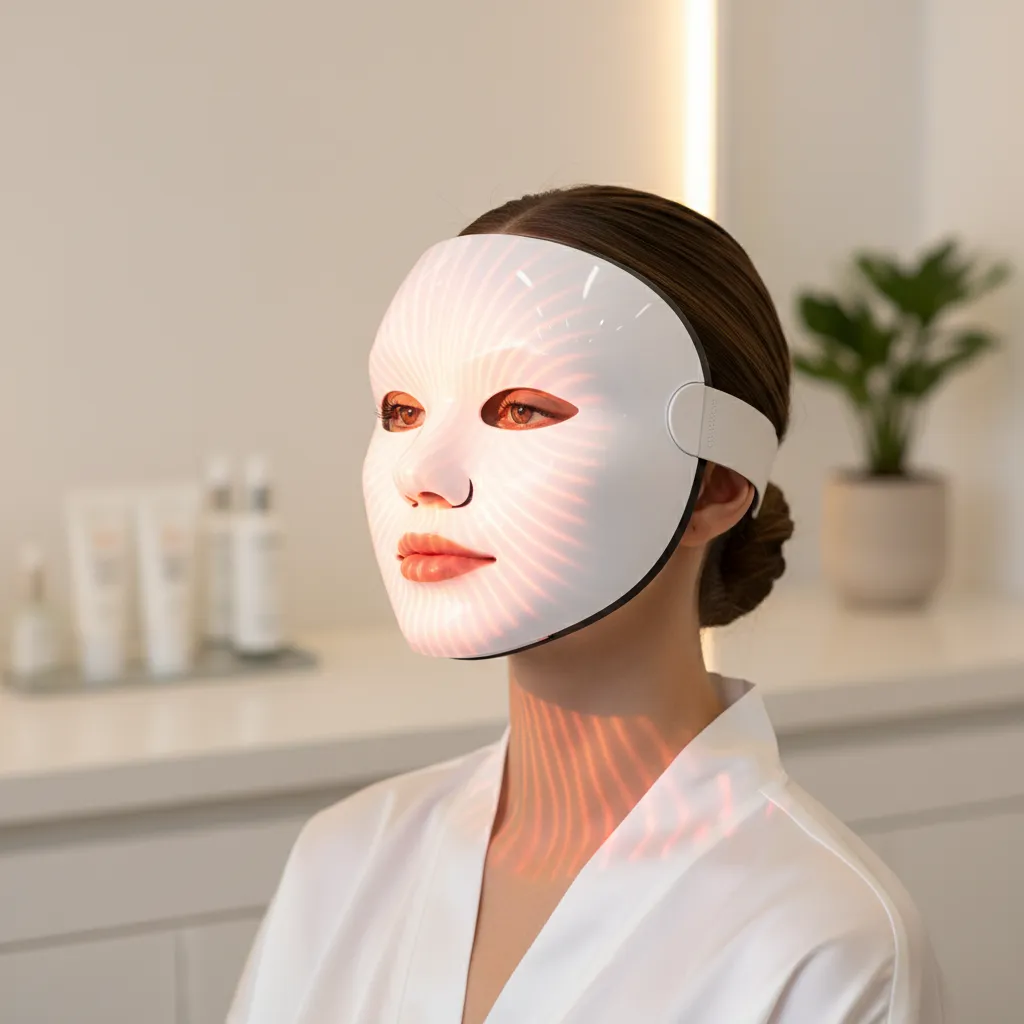
Best Budget LED Face Masks Under $150: Which Devices Actually Work?
Not every LED mask needs to cost $400. We tested sub-$150 devices against clinical irradiance benchmarks to find which actually deliver therapeutic photon doses.
Read More →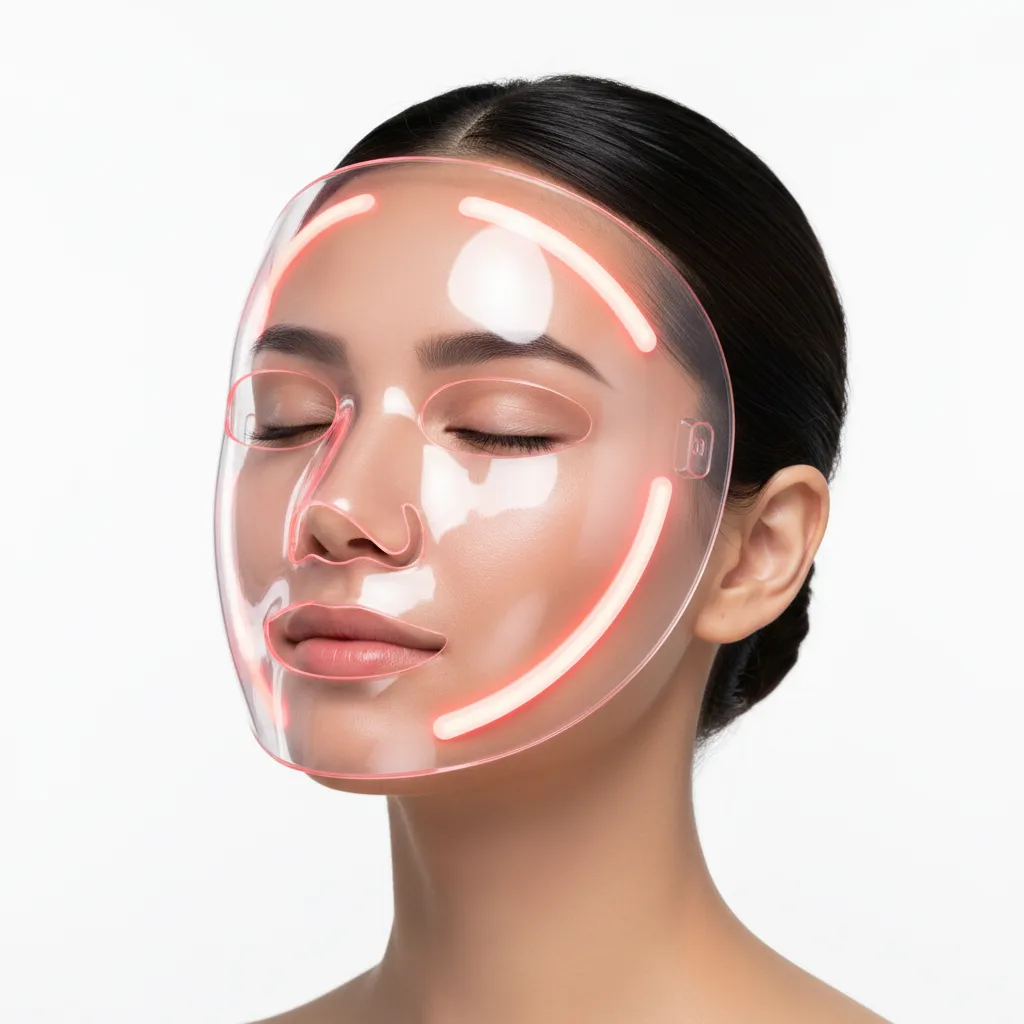
CurrentBody vs Omnilux: Premium LED Face Masks Compared
CurrentBody Skin LED and Omnilux Contour are the two clinical-grade consumer LED masks with published human RCT data. A head-to-head comparison of irradiance, wavelengths, and evidence.
Read More →Microcurrent Facial Science: How NuFACE Works and What the Research Shows
Microcurrent operates below the threshold of sensation — but the cellular effects on ATP synthesis and muscle toning are well-documented. The complete science behind the NuFACE platform.
Read More →NuFACE vs ZIIP vs Foreo Bear: Which Microcurrent Device Is Right for You?
Three devices, three approaches — NuFACE's clinical heritage, ZIIP's nano-current protocols, and Foreo Bear's T-Sonic hybrid. A science-based comparison across current type, output, and real results.
Read More →Electroporation Skincare: The Science Behind K-Beauty's Needle-Free Delivery
Electroporation uses pulsed electric fields to create transient nanopores in cell membranes — delivering peptides, PDRN, and growth factors 100× deeper than passive application.
Read More →Medicube Age-R Booster Pro Review: The Viral K-Beauty Device Tested
50 million TikTok views, consistently sold out, and backed by genuine electroporation science. We break down exactly what the Age-R Booster Pro does and whether it lives up to the hype.
Read More →Best Electroporation Devices for K-Beauty: Medicube, AMIRO & Beyond
Medicube dominates the consumer electroporation market — but how does the Age-R line compare to AMIRO, Panasonic, and budget alternatives?
Read More →Hydrogen Water Facial Steamers: The Science Behind H₂-Infused Skin Therapy
Molecular hydrogen is one of the most selective antioxidants in biology. We break down whether hydrogen steamers can actually deliver therapeutic H₂ to skin.
Read More →
Best Hydrogen Facial Steamers Reviewed: From $80 to $400
Not all hydrogen steamers actually generate meaningful H₂. We compare PEM vs ceramic electrode technology across budget, mid-range, and premium tiers.
Read More →At-Home Hydro-Dermabrasion: How Aqua Peel Machines Actually Work
Hydro-dermabrasion vacuums out congestion while infusing actives into freshly opened follicles — the same mechanism as a professional HydraFacial.
Read More →Medicube AGE-R Ultra Tune 40.68 Review: Is the RF Upgrade Worth It?
Medicube's evolution of the viral Booster Pro adds true 40.68MHz radiofrequency — the same ISM-band frequency used in professional Thermage. Is the $350–$480 price justified?
Read More →d'Alba Allthera Double Shot: Can Home HIFU + RF Replace Clinic Lifting?
d'Alba's most ambitious device combines focused ultrasound with RF to replicate two-layer professional lifting at home. At $400–$600, does it deliver?
Read More →Mixsoon Derma Booster Shot Pro vs Medicube Age-R: Which K-Beauty Device Wins?
Mixsoon is the fastest-growing challenger to Medicube's electroporation dominance. We compare ultrasound sonophoresis vs true electroporation head to head.
Read More →Meditherapy Shumage EMS Lifting Device: The Korean Jawline Sculpting System
Mid-frequency EMS combined with Gold Seal collagen-thread lifting cream targets the muscle architecture behind sagging jowls — the Korean device for lower face lifting.
Read More →Korean Aqua Peel Machines for Home: AHA/BHA Cartridges & Sebaceous Filaments
Korean clinics pioneered aqua peel for sebaceous filaments and blackheads. At-home units with AHA/BHA solution cartridges replicate vacuum-extraction and active-infusion.
Read More →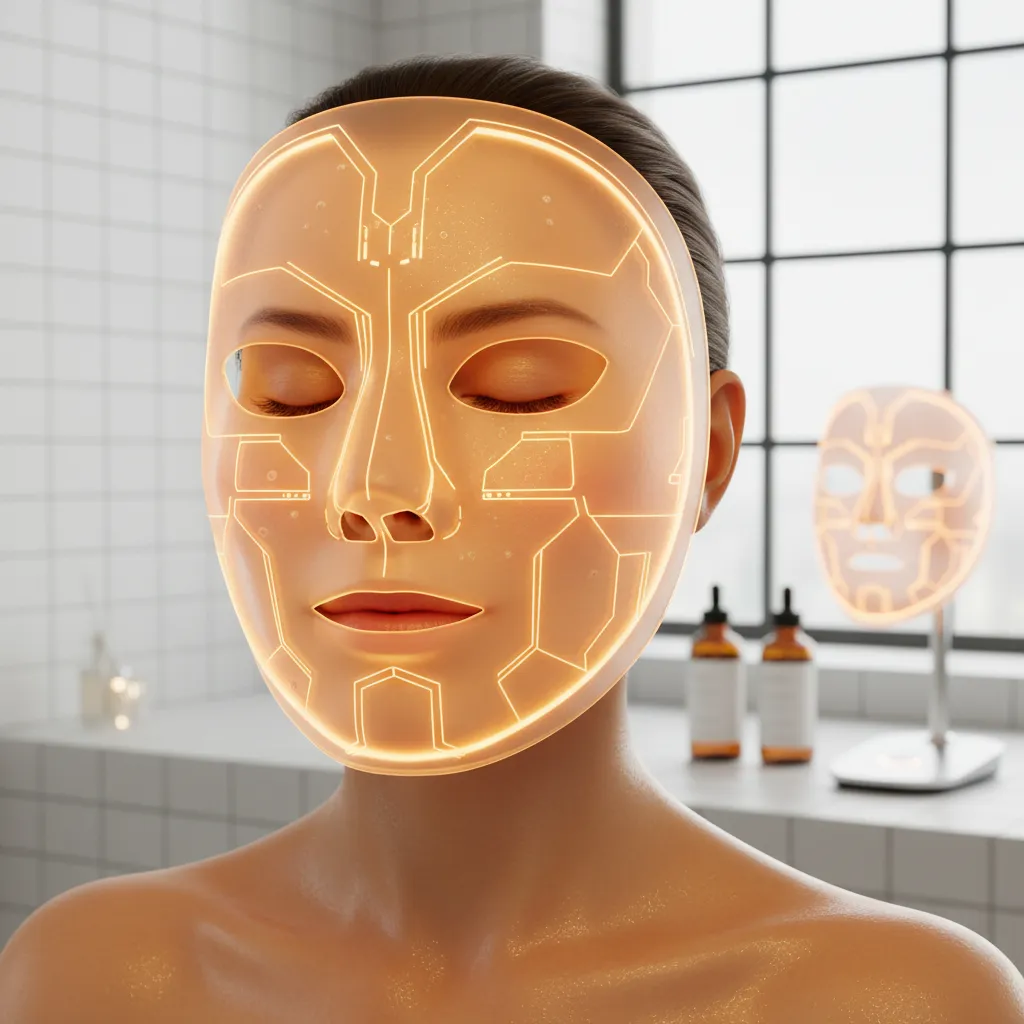
LED Neck & Décolleté Collars: The Device Category Targeting Tech-Neck
Dedicated LED collars for the neck and décolleté address the zone most people neglect — targeting tech-neck lines, horizontal neck bands, and chest pigmentation.
Read More →Korean LED Scalp & Hair Growth Brushes: Microcurrent + Light for Hair Density
Scalp care is K-Beauty's fastest-growing device category. Korean microcurrent LED brushes deliver peptides directly to follicles while stimulating VEGF and WNT hair growth pathways.
Read More →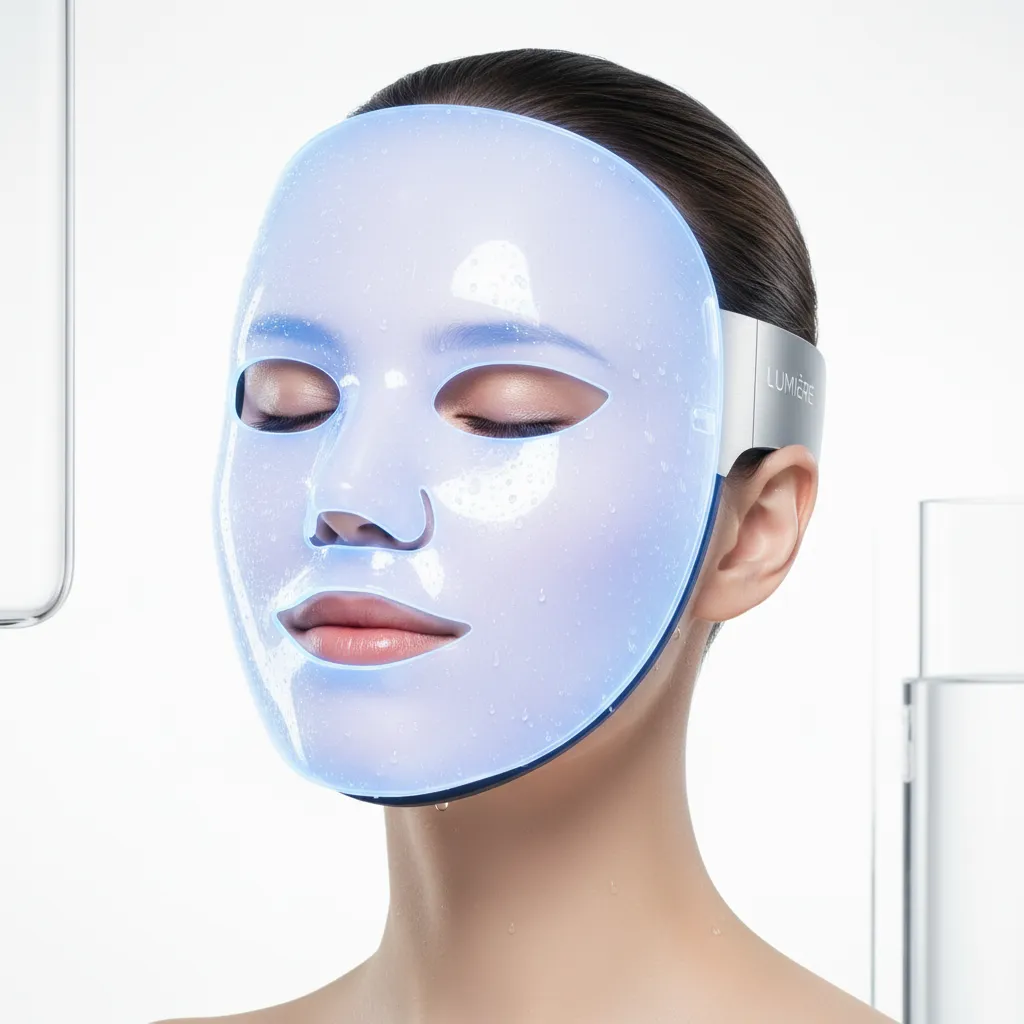
Red Light vs Blue Light for Acne: Clinical Evidence for 415nm + 630nm
Blue light kills C. acnes. Red light reduces inflammation. The combination outperforms either alone in every head-to-head trial.
Read More →Red Light Therapy for Hair Loss: The LLLT Science Behind FDA-Cleared Laser Caps
LLLT at 650nm is FDA-cleared for androgenetic alopecia. The evidence, the mechanism, and how to choose a device that actually works.
Read More →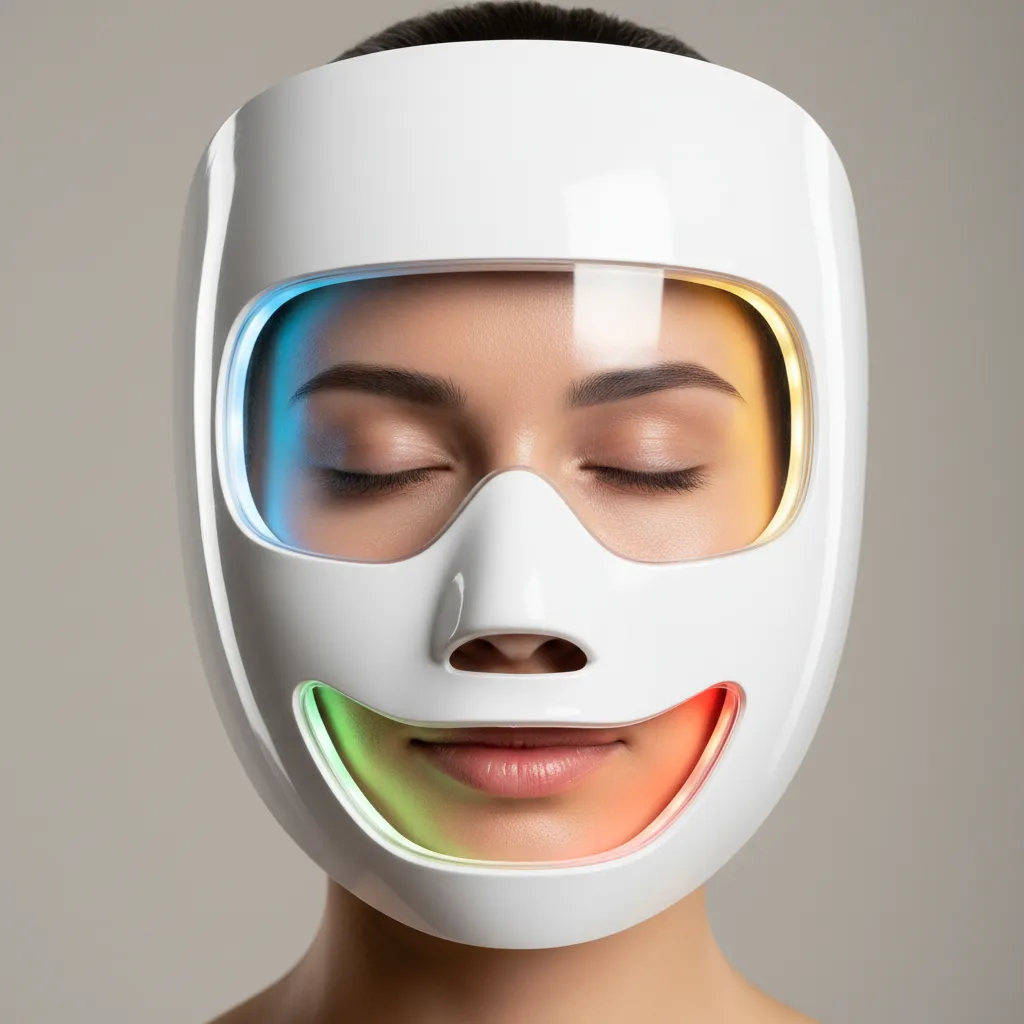
Near-Infrared vs Red Light: Wavelengths, Penetration, and Which You Need
630nm red reaches dermis. 830nm NIR reaches muscle and bone. They are not interchangeable — here's how to choose.
Read More →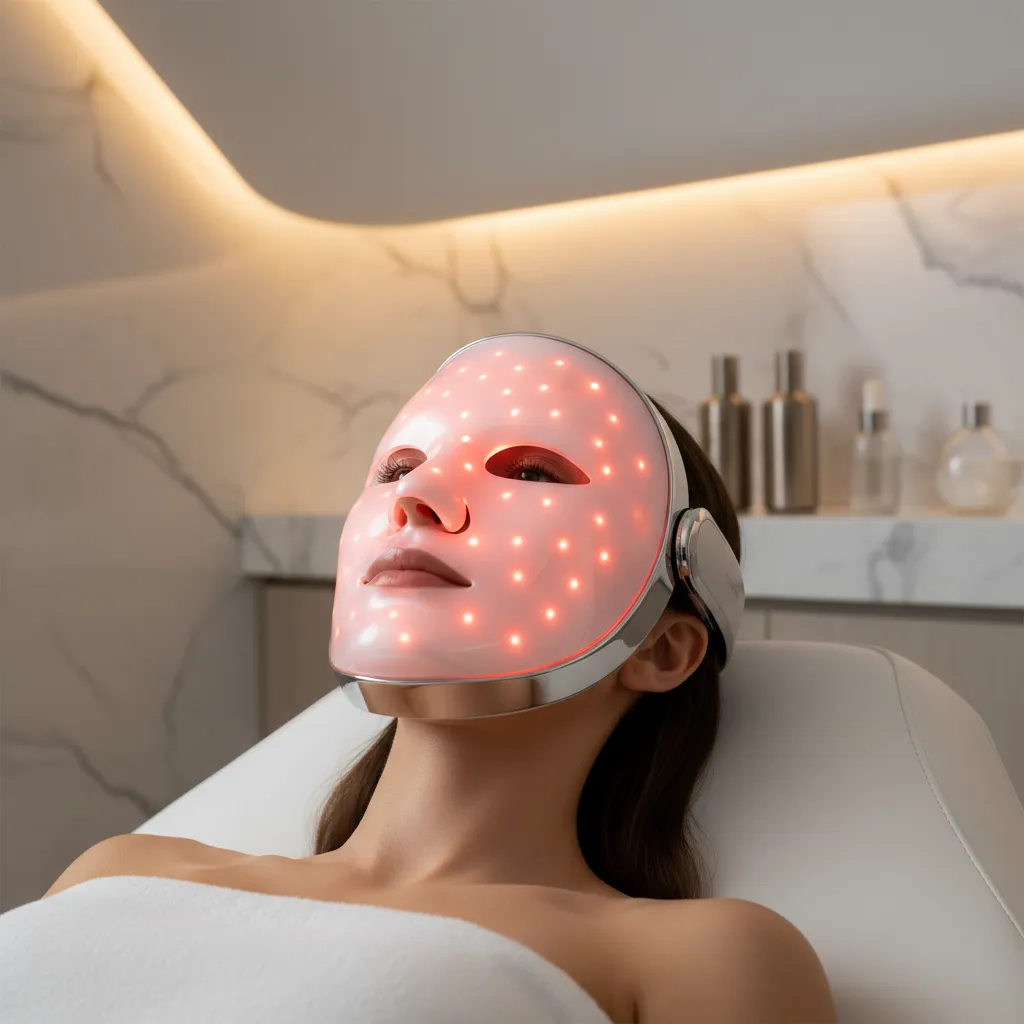
Red Light Therapy Dosing: Irradiance, Joules, and Why Most Devices Under-Deliver
Wavelength without adequate irradiance (mW/cm²) does nothing. How to calculate your dose and evaluate devices honestly.
Read More →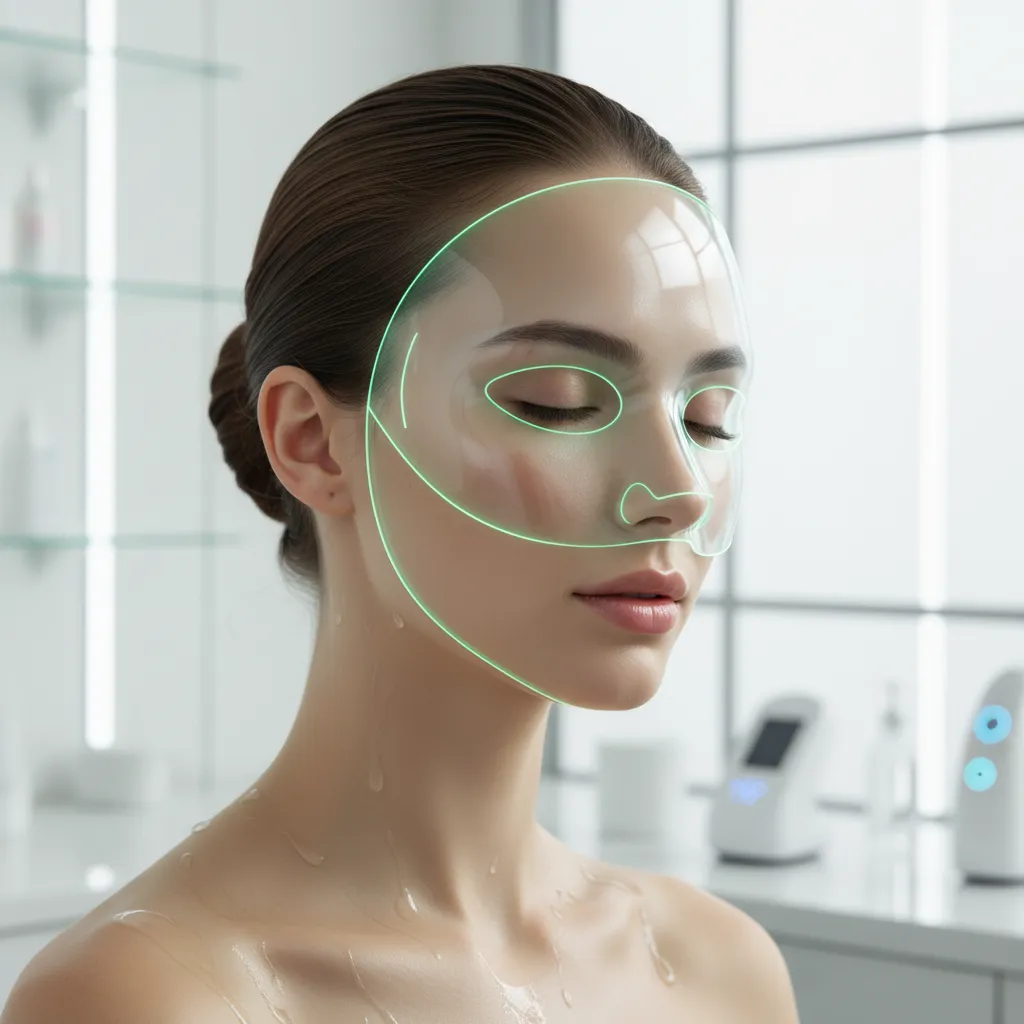
Best Full-Body Red Light Panels 2026: Joovv, Mito Red, Platinum LED Compared
Full-body panels deliver systemic benefits face masks cannot. A head-to-head on irradiance, EMF, flicker, and value.
Read More →Signal, carrier, neuropeptide & enzyme-inhibiting science
Peptides in Skincare: The Complete Science Guide to Every Type
Signal, carrier, enzyme-inhibiting, neuropeptides — the peptide category spans four distinct mechanisms. We break down the clinical evidence for each and how to choose.
Read More →Best Peptide Serums 2026: Ranked by Clinical Evidence and Formulation Quality
We rank the best peptide serums by INCI placement, peptide class diversity, vehicle compatibility, and published evidence — not brand prestige.
Read More →Matrixyl vs Argireline: The Two Most-Studied Anti-Aging Peptides Compared
Matrixyl 3000 builds collagen. Argireline reduces muscle contraction amplitude. They address entirely different ageing mechanisms — and you likely need both.
Read More →How to Layer Peptides With Retinol, Vitamin C, and Acids Without Conflicts
GHK-Cu + vitamin C is the one real conflict. Peptides + retinol is a myth. The chemistry behind every peptide compatibility rule and how to build a complete multi-active routine.
Read More →Topical Botox? The Science Behind Neuropeptides and Facial Muscle Relaxing
Argireline and botulinum toxin share the same neuromuscular target — the SNARE complex. An honest clinical comparison of what neuropeptides can and cannot achieve.
Read More →Collagen, recovery & ingestible peptide science
Collagen Peptides for Joints and Athletic Recovery: What the Science Says
Connective tissue takes 72–96 hours to remodel — and collagen peptides, timed around exercise, can meaningfully accelerate that process.
Read More →Collagen Peptides for Gut Health: The Science Behind Glycine and Intestinal Repair
Collagen-derived glycine plays a key role in tight junction integrity and mucosal repair. We review the clinical evidence on leaky gut, zonulin, and glycine dosing.
Read More →Peptides for Muscle Recovery: Collagen, BCAAs, and What the Research Shows
Recovery has two systems: myofibrillar (muscle fibre) and connective (tendon/fascia). Whey BCAAs address the first; collagen peptides address the second.
Read More →Ingestible Collagen Peptides for Skin, Hair & Nails: Does Beauty from Within Work?
Oral collagen peptides survive digestion as bioactive dipeptides that accumulate in dermis and follicles. We examine the Proksch 2014 RCT and bioavailability data.
Read More →Whey vs Collagen Peptides: Which Protein Is Right for Your Goals?
Whey excels at muscle protein synthesis via the leucine threshold. Collagen excels at connective tissue repair via hydroxyproline dipeptides. They serve different systems.
Read More →Premium ingredients & heritage brands
Premium PDRN Serums: Medical-Grade vs Cosmetic — What Actually Works?
Medical-grade PDRN ampoules contain 5–10× higher concentrations than most cosmetic serums. We break down clinical concentration standards and the best premium products.
Read More →Korean Exosome Ampoules: The Biotech Trend Dermatologists Are Watching
Exosomes — stem cell nano-vesicles carrying biological regeneration signals — are moving from dermatology clinics to the consumer K-Beauty market. The science is real.
Read More →Sulwhasoo vs The History of Whoo: Korea's Luxury Ginseng Skincare Decoded
Two decades of proprietary ginsenoside research separates Sulwhasoo and The History of Whoo from every other luxury skincare brand. We break down the science.
Read More →$100+ ingredients and formulas, evidence-checked
Augustinus Bader's TFC8: The Stem Cell Science Behind the $265 Cream
A real stem cell researcher's proprietary complex, TFC8, anchors one of the most expensive luxury moisturizer lines on the market. We separate what's published from what's proprietary marketing.
Read More →SK-II's Pitera: The Fermented Yeast Science Behind the $99–$320 Essence
Discovered by accident in a sake brewery, Pitera anchors SK-II's entire prestige line. We look at the fermentation science and how it compares to $20 galactomyces dupes.
Read More →La Mer's Miracle Broth: Is the $190–$530 Fermented Kelp Cream Worth It?
An aerospace physicist fermented sea kelp for over a decade to heal his own burn scars. The real history behind Crème de la Mer, and an honest look at the evidence.
Read More →Growth Factor Serums: The Science Behind SkinMedica TNS and Alastin
Human fibroblast conditioned media vs. synthetic peptide complexes — the most clinically documented anti-aging serums dermatologists actually recommend, priced $235–$325.
Read More →24K Gold Skincare: The Science (and Marketing) Behind $100–$300 Products
Colloidal gold has real research behind it in nanomedicine — but does that translate to a $150 face cream? We separate the physics from the shimmer.
Read More →Idebenone: The Synthetic 'Super Antioxidant' Behind Prevage's $150+ Serum
A pharmaceutical antioxidant developed for cognitive disorders, repurposed into Elizabeth Arden's flagship anti-aging line. The real chemistry behind the 'better than CoQ10' claim.
Read More →
Bee Venom vs. Royal Jelly: Two Very Different Premium 'Bee' Skincare Stories
Rodial's Bee Venom and Guerlain's Abeille Royale are both bee-derived — and mechanistically nothing alike. We separate the two, including a real bee-allergy safety note.
Read More →La Prairie's Skin Caviar: Is the $190–$590 Caviar Extract Cream Worth It?
A Swiss 'cellular therapy' clinic from the 1930s, a trademarked caviar extract, and one of the most expensive creams on the mainstream market. The real history and the honest evidence.
Read More →Swiss Apple Stem Cell Extract: The Science Behind Juice Beauty's $140+ Cream
A rare, long-lasting Swiss apple variety inspired a patented plant stem cell extract used across premium skincare. What it actually does — and what plant stem cells definitely don't do.
Read More →Retinaldehyde: The Retinoid Between Retinol and Prescription Tretinoin
One fewer conversion step than retinol, better tolerated than tretinoin — Medik8 built its entire brand around this molecule. The real vitamin A conversion chemistry, explained.
Read More →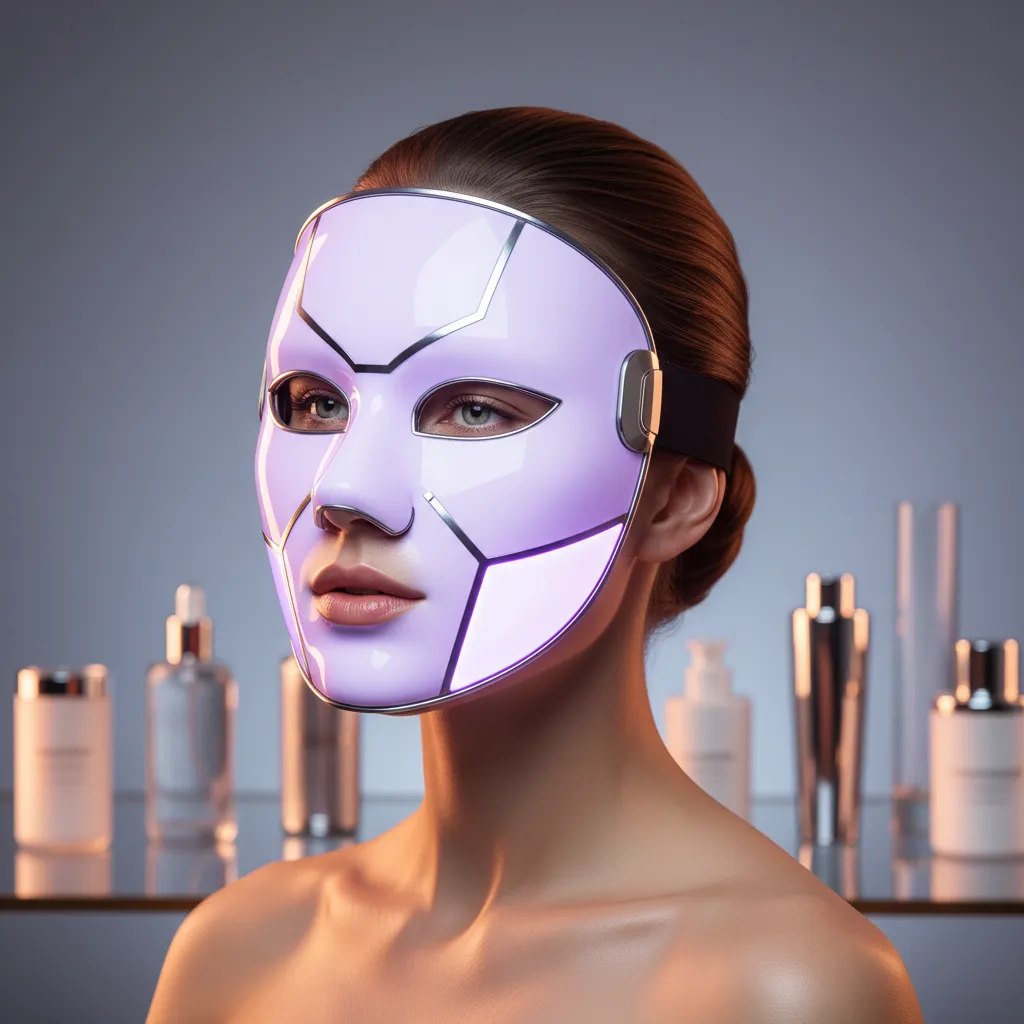
Red Light Therapy At Home: What The Science Actually Says
LED masks have exploded from clinic-only treatments to bathroom staples. We break down the clinical evidence behind 630–850nm wavelengths.
Read More →Niacinamide 101: Why This Vitamin B3 Does Everything
From shrinking pores to fading hyperpigmentation, niacinamide is the overachiever of skincare. A complete breakdown of its mechanisms and ideal concentrations.
Read More →Retinol for Beginners: How to Start Without Wrecking Your Skin
Retinol is the most clinically validated anti-aging active without a prescription. But starting wrong causes unnecessary irritation. Here's the evidence-based guide.
Read More →Vitamin C Serums: Why L-Ascorbic Acid Is Worth the Instability
L-ascorbic acid is the only form of vitamin C with substantial clinical evidence for photoprotection and brightening. Here's what the science says.
Read More →
Centella Asiatica: The 'Cica' Ingredient Behind K-Beauty's Calming Revolution
Why is centella asiatica in almost every K-Beauty calming product? We unpack the science behind this ancient medicinal herb's modern skincare applications.
Read More →SPF Explained: The Science of Sun Protection (and Why SPF 30 Isn't Enough)
SPF numbers, UVA vs UVB, chemical vs mineral, PA ratings — decoded. What to actually look for to get complete protection.
Read More →Building a K-Beauty Routine From Scratch: The 2026 Guide
The multi-step K-Beauty routine can seem overwhelming. Here's a practical, science-backed approach to building your routine step by step.
Read More →Skin Longevity Is the New Anti-Aging — Here's What It Means
The longevity medicine movement has arrived in skincare. NAD+ precursors, senolytics, and mitochondrial support — we decode the science of skin lifespan.
Read More →Hyaluronic Acid: Why You're Probably Applying It Wrong
Hyaluronic acid is in almost every moisturiser on the market. But molecular weight and application technique dramatically affect whether it actually hydrates your skin.
Read More →Ceramides: The Barrier-Building Ingredient Your Skin Is Probably Missing
Ceramides make up over 50% of the skin's outer barrier lipids. When they deplete, everything cascades: sensitivity, dehydration, accelerated aging.
Read More →Azelaic Acid: The Underrated Ingredient That Does It All
Brightening, acne-clearing, rosacea-calming, and pregnancy-safe — azelaic acid does things no other single ingredient can. Time to spotlight this dermatology staple.
Read More →PDRN Serums Ranked: From Clinical-Grade to Budget Picks
We analyzed the ingredient lists, concentrations, and formulation quality of the top PDRN serums on the market. Here's our ranked breakdown.
Read More →Copper Peptides vs. Retinol: The Anti-Aging Showdown
Both stimulate collagen synthesis and reduce fine lines. But how do copper peptides (GHK-Cu) and retinoids actually compare in clinical studies?
Read More →Snail Mucin: The Science Behind K-Beauty's Most Famous Ingredient
Snail secretion filtrate sounds bizarre until you look at what's actually in it. A complete scientific breakdown of why this K-Beauty ingredient genuinely works.
Read More →Prejuvenation: Why Gen Z Is Building Anti-Aging Routines in Their 20s
Preventive skincare has become a mainstream category driven by younger consumers who understand that UV damage and glycation accumulate invisibly for decades.
Read More →The Minimal Effective Routine: 4 Products, Maximum Results
You don't need 12 steps. We design the most evidence-based, efficient skincare routine possible using just four products — and explain the science behind each choice.
Read More →Hypochlorous Acid: Your Skin's Own Defense Molecule in a Bottle
HOCl is the molecule your immune cells naturally produce to fight infection. In skincare form, it's a gentle, microbiome-friendly antimicrobial transforming sensitive skin care.
Read More →