Affiliate disclosure: This article contains Amazon affiliate links. As an Amazon Associate, Glowstice earns from qualifying purchases — at no extra cost to you. Our editorial recommendations are independent of these partnerships. Learn more · How we evaluate products
Quick Picks
Affiliate links: we may earn a commission at no extra cost to you.
| Product | Price | Link |
|---|---|---|
Best Luxury Peter Thomas Roth 24K Gold Firming Hydra-Gel Eye Patches | ~$64 | Shop Now → |
Best Mid-Tier Gold SNP Collagen + 24K Gold Perfection Eye Patch | ~$23 | Shop Now → |
Best for Puffiness Terez & Honor Caffeine & Hyaluronic Acid Eye Gel Patch | ~$21 | Shop Now → |
Best Value for Puffiness Good Molecules Caffeine Energizing Hydrogel Eye Patches | ~$14 | Shop Now → |
Best Overall Petitfee Gold & Snail Hydrogel Eye Patch | ~$10 | Shop Now → |
Prices last checked on September 27, 2026 and rounded to the dollar. Amazon prices change often; the price shown at checkout is the one that applies.
Under-eye patches occupy a strange middle ground between skincare and cosmetic ritual — some ingredients in this category have genuine, well-documented mechanisms, while others are along for the marketing ride. Sorting out which is which makes it much easier to pick a patch based on what it can actually do for your specific concern (puffiness, dark circles, or fine lines) rather than which one has the most premium-sounding ingredient list.
Why Hydrogel, Specifically
Most modern eye patches use a hydrogel base — a water-based, jelly-like polymer matrix — rather than the sheet-mask-style fabric or paper used in older formats. Hydrogel holds a high percentage of water and active ingredients in a stable gel structure that maintains close, even skin contact around the eye's curved contours, improving ingredient delivery compared to a flatter fabric patch that can lift at the edges. The occlusive nature of hydrogel also traps moisture at the skin surface during wear, which on its own produces a temporary plumping effect regardless of what other actives are included.
Caffeine: The Best-Evidenced Active Here
Caffeine is the most reliably effective ingredient in this category for its specific job: temporary de-puffing. As a vasoconstrictor, it narrows blood vessels, reducing the visible swelling caused by overnight fluid pooling around the eyes. This is a real, well-documented effect — but it's also temporary and cosmetic, lasting hours rather than producing any structural change to the skin. Storing a caffeine eye patch in the refrigerator before use compounds the effect, since cold temperature independently causes vasoconstriction on top of the caffeine's own action.
Related Reading
Editor's Product Picks
Affiliate links — we earn a small commission at no extra cost to you.
Petitfee Gold & Snail Hydrogel Eye Patch
~$10
Sold by Breezesun, a third-party sellerShop Now →
Peter Thomas Roth 24K Gold Firming Hydra-Gel Eye Patches
~$64
Sold by Amazon.comNow listed on Amazon as Peter Thomas Roth 24K Gold Firming Hydra-Gel Eye Patches.Shop Now →
Good Molecules Caffeine Energizing Hydrogel Eye Patches
~$14
Sold by Good Molecules US, a third-party sellerShop Now →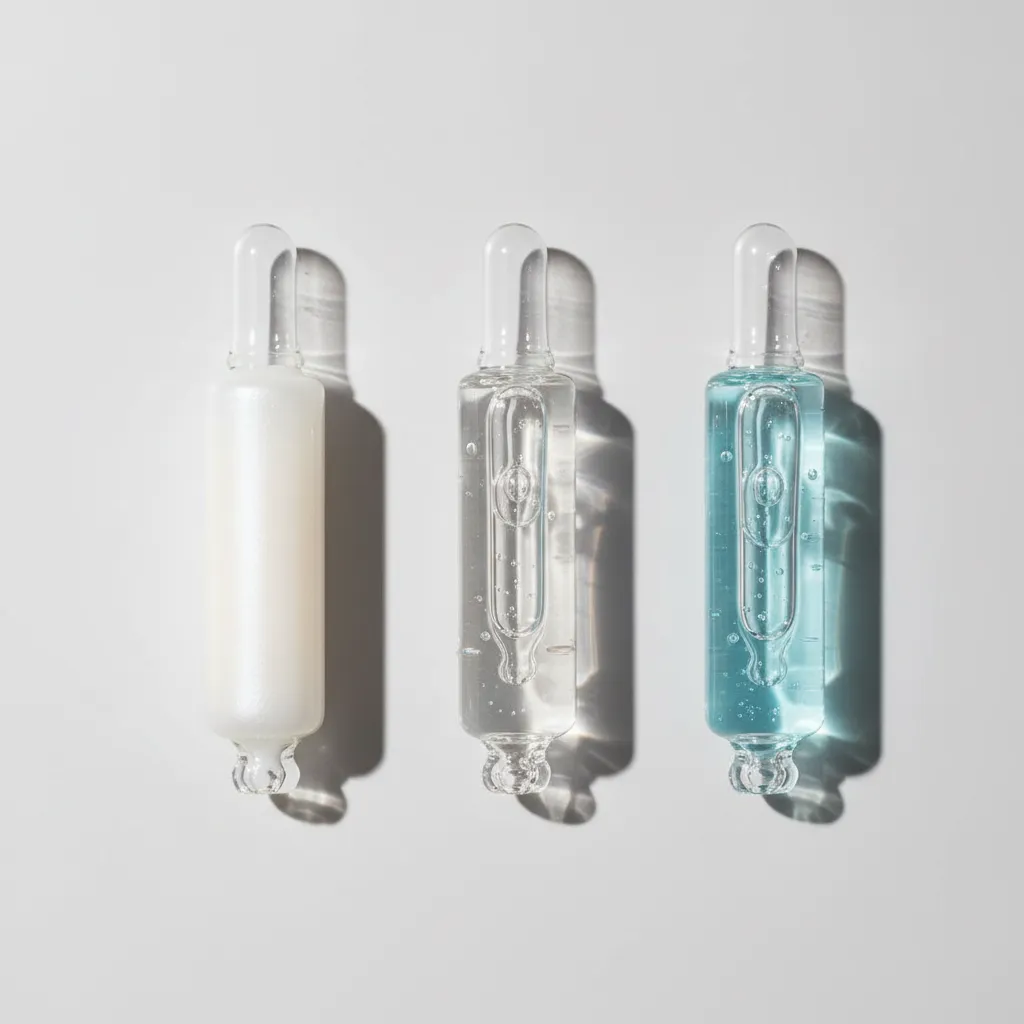
Terez & Honor Caffeine & Hyaluronic Acid Eye Gel Patch
~$21
Sold by Terez & Honor Official, a third-party sellerShop Now →
SNP Collagen + 24K Gold Perfection Eye Patch
~$23
Sold by SD BIOTECH, a third-party sellerShop Now →Prices last checked on September 27, 2026 and rounded to the dollar. Amazon prices change often; the price shown at checkout is the one that applies.
Gold, Snail Mucin, and Collagen: What's Real
24K gold is a popular marketing anchor in this category, but colloidal gold itself has limited independent clinical evidence for a specific anti-aging skin benefit at the concentrations used in cosmetic patches — its primary contribution is likely the premium positioning and, in some formulas, mild antioxidant activity, rather than a dramatic collagen or elasticity effect. Snail secretion filtrate and hydrolyzed collagen, by contrast, function similarly to how they do elsewhere in skincare — as humectants and film-forming agents that hydrate and temporarily smooth the skin's surface, not as ingredients that rebuild collagen in the dermis (intact collagen protein is too large to penetrate the skin barrier). None of this makes gold or collagen patches ineffective — the hydrogel delivery and humectant ingredients genuinely hydrate and temporarily plump — but it's worth being clear-eyed about which claims are mechanistic and which are more aspirational.
How to Use Eye Patches for Best Results
Apply to clean, dry skin, positioned so the patch doesn't sit directly on the lash line (which risks migration into the eye during wear). Ten to twenty minutes is the typical wear window for most hydrogel formulas — beyond that, the patch can begin reabsorbing moisture from the skin rather than continuing to donate it, working against the hydrating goal. Press any remaining serum residue into the skin after removal rather than rinsing it away, and follow immediately with your regular eye cream or moisturizer to lock in the temporary hydration boost.
Top Picks Ranked
Petitfee Gold & Snail Hydrogel Eye Patch (~$10 for 30 pairs) is one of the most recognized K-beauty patches in the category, combining 24K gold with snail mucin extract, plus soothing bamboo, mugwort and heartleaf, in a hydrogel base — a reliable, moderately priced entry point.
Peter Thomas Roth 24K Gold Firming Hydra-Gel Eye Patches (~$64; formerly sold as Pure Luxury Lift & Firm) is the splurge option: gold-infused hydrogel patches aimed at fine lines, crow's feet and dark circles, with premium positioning to match.
Good Molecules Caffeine Energizing Hydrogel Eye Patches (~$14 for 30 pairs) is the best budget pick specifically for puffiness — a straightforward caffeine, hyaluronic acid, niacinamide and peptide formula without the premium ingredient story, at a genuinely low per-use cost.
Terez & Honor Caffeine & Hyaluronic Acid Eye Gel Patch (~$21 for 30 pairs) is a solid mid-tier caffeine-forward option, with niacinamide alongside the caffeine and hyaluronic acid, well-suited to daily or frequent use given its lower price relative to the gold-infused options.
SNP Collagen + 24K Gold Perfection Eye Patch (~$23) rounds out the category with a gold-and-collagen formula (SNP specifies an ultra-fine 125Da collagen) at a more accessible price point than the Peter Thomas Roth option, a reasonable middle ground for those wanting the 'gold patch' experience without the luxury price tag.
Frequently Asked Questions
Do 24K gold eye patches actually work better than regular ones?+
Colloidal gold itself has limited independent clinical evidence for a specific anti-aging effect at cosmetic concentrations — the genuine benefits in gold-infused patches come mainly from the hydrogel delivery format and any humectant ingredients (like hyaluronic acid or snail mucin) included alongside the gold, not from the gold itself.
What ingredient actually reduces under-eye puffiness?+
Caffeine has the strongest, most direct evidence — it's a vasoconstrictor that narrows blood vessels, reducing visible swelling from overnight fluid pooling. The effect is real but temporary (hours, not permanent), and chilling the patch before use enhances it further through added cold-induced vasoconstriction.
How long should I leave eye patches on?+
10–20 minutes is the typical window for most hydrogel formulas. Leaving them on longer can cause the patch to start reabsorbing moisture from your skin rather than continuing to donate it, working against the hydrating effect you're going for.
Author
Glowstice Editorial
The Glowstice editorial team consists of skincare researchers, cosmetic chemists, and science writers dedicated to translating peer-reviewed dermatology into practical guidance for curious consumers.