Affiliate disclosure: This article contains Amazon affiliate links. As an Amazon Associate, Glowstice earns from qualifying purchases — at no extra cost to you. Our editorial recommendations are independent of these partnerships. Learn more · How we evaluate products
Quick Picks
Affiliate links: we may earn a commission at no extra cost to you.
| Product | Price | Link |
|---|---|---|
Essential Starting Point Torriden DIVE-IN Low Molecular Hyaluronic Acid Serum | ~$35 | Shop Now → |
Essential Starting Point COSRX Advanced Snail 96 Mucin Power Essence | ~$19 | Shop Now → |
Essential Starting Point Beauty of Joseon Relief Sun: Rice + Probiotics SPF50+ | Brand site | Shop direct → |
Prices last checked on September 27, 2026 and rounded to the dollar. Amazon prices change often; the price shown at checkout is the one that applies.
'K-beauty' gets used loosely to mean almost anything Korean-branded on a skincare shelf, but the term describes something more specific and more interesting than a country-of-origin label: a distinct formulation philosophy, a genuinely different regulatory and manufacturing environment, and a cultural relationship to skincare that treats it as ongoing maintenance rather than a response to a problem that's already appeared. Understanding these underlying differences explains a lot about why K-beauty products often look, feel, and are marketed differently than their Western counterparts — and helps separate the genuine substance from the trend-chasing repackaging that inevitably follows any successful category.
More Than a Marketing Label
K-beauty refers to the skincare and cosmetics industry originating in South Korea, which has grown from a primarily domestic market into one of the largest cosmetics-exporting industries globally over roughly the past 15 years. What distinguishes it from simply being 'skincare made in a different country' is a set of consistent formulation and market patterns: a strong emphasis on hydration and barrier support as a foundation before targeting specific concerns, unusually fast product development and trend cycles compared to Western beauty conglomerates, and a retail and marketing culture that treats skincare research and ingredient education as a genuine consumer interest rather than something to be simplified away.
Prevention vs. Correction: The Core Philosophical Difference
The most frequently cited philosophical distinction between K-beauty and much of traditional Western skincare marketing is prevention versus correction — Korean skincare culture has historically emphasized consistent, layered hydration and gentle daily maintenance starting from a younger age, aiming to delay the onset of visible aging and damage, rather than the more Western pattern of a minimal routine followed by aggressive 'anti-aging' intervention once wrinkles or damage are already visible. This isn't a claim that one approach is scientifically superior — both prevention and correction have legitimate places in skincare — but it does explain real formulation differences, like why hydrating toners, essences, and multiple layered serums are more central to Korean routines than they traditionally have been in Western ones.
Related Reading
Editor's Product Picks
Affiliate links — we earn a small commission at no extra cost to you.
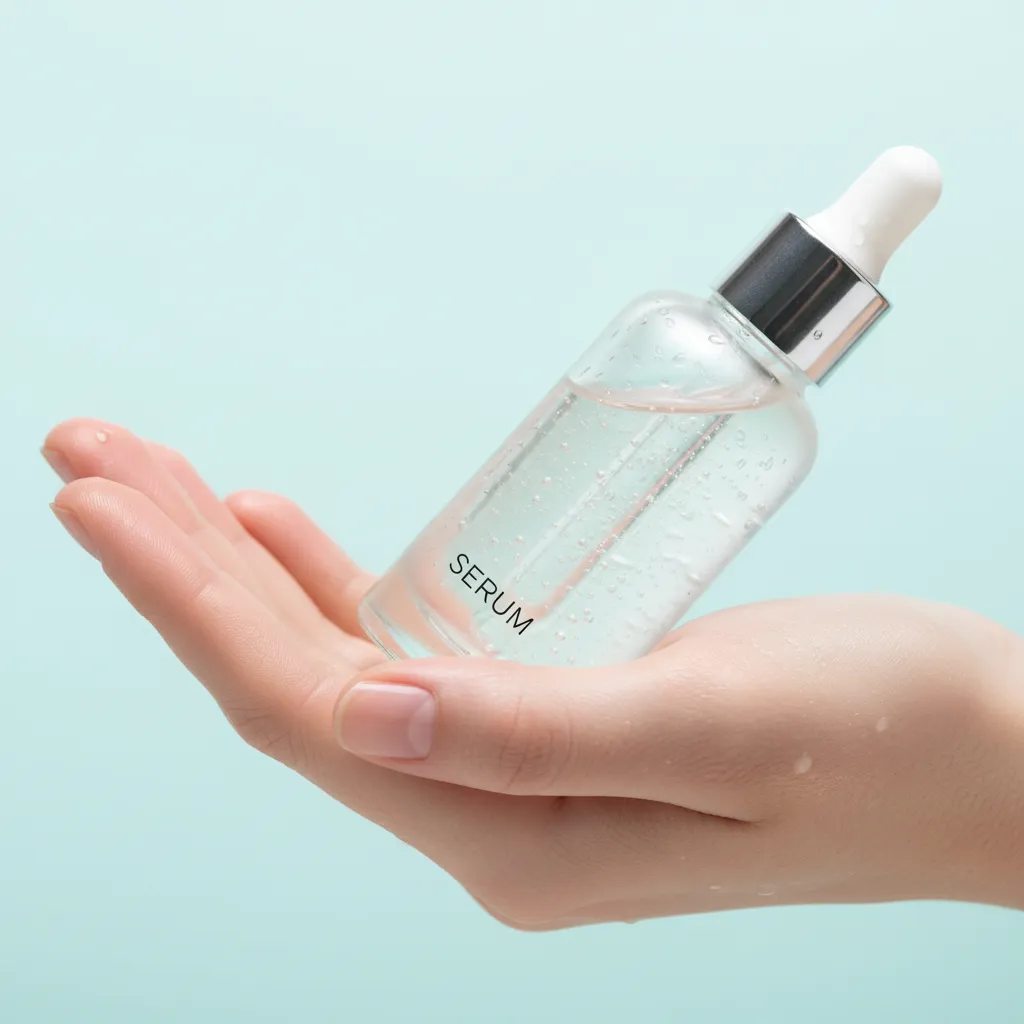
COSRX Advanced Snail 96 Mucin Power Essence
~$19
Sold by COSRX, a third-party sellerShop Now →
Beauty of Joseon Relief Sun: Rice + Probiotics SPF50+
Price on brand site
Now sold as Relief Sun: Rice + Niacinamide, same formula. Amazon shows only look-alike listings, so this links Beauty of Joseon's own store.Not sold on Amazon. We earn nothing from this link.Buy direct from Beauty of Joseon →
Torriden DIVE-IN Low Molecular Hyaluronic Acid Serum
~$35
Sold by TORRIDEN, a third-party sellerLinked listing: serum plus a refill pouch.Shop Now →Prices last checked on September 27, 2026 and rounded to the dollar. Amazon prices change often; the price shown at checkout is the one that applies.
Why Korean Product Innovation Moves Faster
South Korea's cosmetics industry is characterized by an unusually large number of small and mid-sized independent brands (rather than a market dominated primarily by a handful of large conglomerates), many of which contract with the same pool of highly capable manufacturers — a structure that allows new brands and formulas to launch and iterate considerably faster than the multi-year development cycles common at larger Western beauty companies. This also means ingredient trends (centella, PDRN, snail mucin, tranexamic acid, and others covered elsewhere on this site) tend to appear in Korean consumer products well before they reach mainstream Western shelves, since the smaller-brand ecosystem can respond to emerging ingredient research and consumer interest more nimbly than companies managing large legacy product lines.
The Regulatory Environment Behind the Formulas
South Korea's Ministry of Food and Drug Safety (MFDS) regulates cosmetics with a framework that's in some ways more permissive on novel ingredient approval timelines than the US FDA's cosmetics framework (which has historically been slower to approve new UV filters, for instance, compared to South Korea, the EU, and Japan) — part of why Korean sunscreens have historically offered more advanced, cosmetically elegant UV filter combinations than many US-sold sunscreens, which are still restricted to a smaller, older set of FDA-approved filters. This regulatory difference is a genuine, verifiable factor behind some of K-beauty's product advantages, separate from any marketing narrative — it's a structural, bureaucratic reason certain formulations exist in Korea before (or instead of) appearing in US products.
'Glass Skin' and What It Actually Means
"Glass skin" — smooth, luminous, nearly poreless-looking skin — is one of K-beauty's most recognizable aesthetic goals, but it's worth being clear about what it actually describes: a well-hydrated, well-exfoliated skin surface with minimal visible texture irregularity, reflecting light more evenly, rather than any specific product or single-step technique. It's achieved through the cumulative effect of consistent hydration layering, gentle regular exfoliation, and diligent sun protection (since UV damage is one of the biggest drivers of visible texture and tone irregularity) rather than any one 'glass skin serum' — a distinction worth understanding since the aesthetic gets marketed as an attainable single-product outcome more often than the multi-factor result it actually is.
The Multi-Step Routine Myth
The '10-step Korean skincare routine' is a genuine format that exists and that some Korean skincare enthusiasts do follow, but it's more accurately understood as a maximalist template than a required baseline — most Korean consumers, like most skincare consumers anywhere, use considerably fewer steps in their actual daily routine, reserving a fuller multi-step approach for less frequent, more dedicated skincare sessions. The core K-beauty philosophical contribution isn't 'more steps are always better' — it's the specific sequencing logic (thinnest-to-thickest texture, hydration-first layering) and the treatment of skincare as worth genuine time and attention, which can be applied just as validly to a simplified four- or five-step routine as to a full ten-step one.
How to Actually Start With K-Beauty
Rather than attempting a full multi-step routine immediately, a reasonable entry point is layering in K-beauty's most genuinely distinct format contributions one at a time: a hydrating toner used as a light layering step rather than a Western-style astringent, a lightweight essence or first-treatment product before your regular serum, and a broad-spectrum sunscreen (Korean formulas are often praised specifically for their lighter, less white-cast-prone textures compared to older US mineral formulas). From there, exploring specific ingredient categories — centella for sensitive skin, PDRN or snail mucin for barrier repair, tranexamic acid for pigmentation — based on your actual skin concerns is more useful than attempting to replicate a full routine wholesale.
Frequently Asked Questions
Do I need to follow the full 10-step Korean routine to benefit from K-beauty?+
No — the 10-step format is a maximalist template, not a requirement. The core K-beauty contribution is a specific layering logic (thinnest-to-thickest, hydration-first) and formulation philosophy, which applies just as validly to a simplified 4–5 step routine as a full ten-step one.
What actually makes Korean sunscreens different from US sunscreens?+
South Korea's regulatory body (the MFDS) has historically approved a broader range of modern UV filters faster than the US FDA, which is still restricted to a smaller, older set of approved filters. This is a genuine structural, regulatory reason Korean sunscreens often achieve lighter textures and less white cast than many US-sold mineral formulas.
Is 'glass skin' a specific product or technique?+
No single product achieves it — it's the cumulative result of consistent hydration layering, gentle regular exfoliation, and diligent sun protection over time. Products marketed as a single 'glass skin serum' are describing an aspirational outcome, not a one-step mechanism.
Author
Glowstice Editorial
The Glowstice editorial team consists of skincare researchers, cosmetic chemists, and science writers dedicated to translating peer-reviewed dermatology into practical guidance for curious consumers.