What the Skin World Is Talking About.
We track search volumes, clinical research, and expert discourse to identify what's actually gaining momentum versus what's just noise. Updated regularly.
Trend Momentum Index
Relative momentum scores based on scientific evidence and consumer adoption
Skin Longevity
Red Light Therapy
Peptide Skincare
LED Face Masks
Cloud Skin
Cold Plunge Beauty
Prejuvenation
The Full Breakdown
Deep dives into 2026's defining beauty trends
Skin Longevity
Skin longevity represents the convergence of anti-aging skincare and longevity medicine. Rather than chasing youth aesthetically, it focuses on optimizing the biological mechanisms that keep skin youthful — cellular energy production, senescent cell clearance, NAD+ levels, and mitochondrial health. Dermatologists and longevity researchers are collaborating like never before.
Why Now
The longevity movement (spearheaded by researchers like David Sinclair and Bryan Johnson) has crossed over into mainstream skincare. Consumers increasingly want to understand the biological 'why' behind aging and address it upstream.
What to Try
Start with a high-quality niacinamide serum (a NAD+ precursor) and a peptide moisturizer. Add a dedicated SPF 50+ daily — UV damage is the largest accelerator of skin aging.

Red Light Therapy
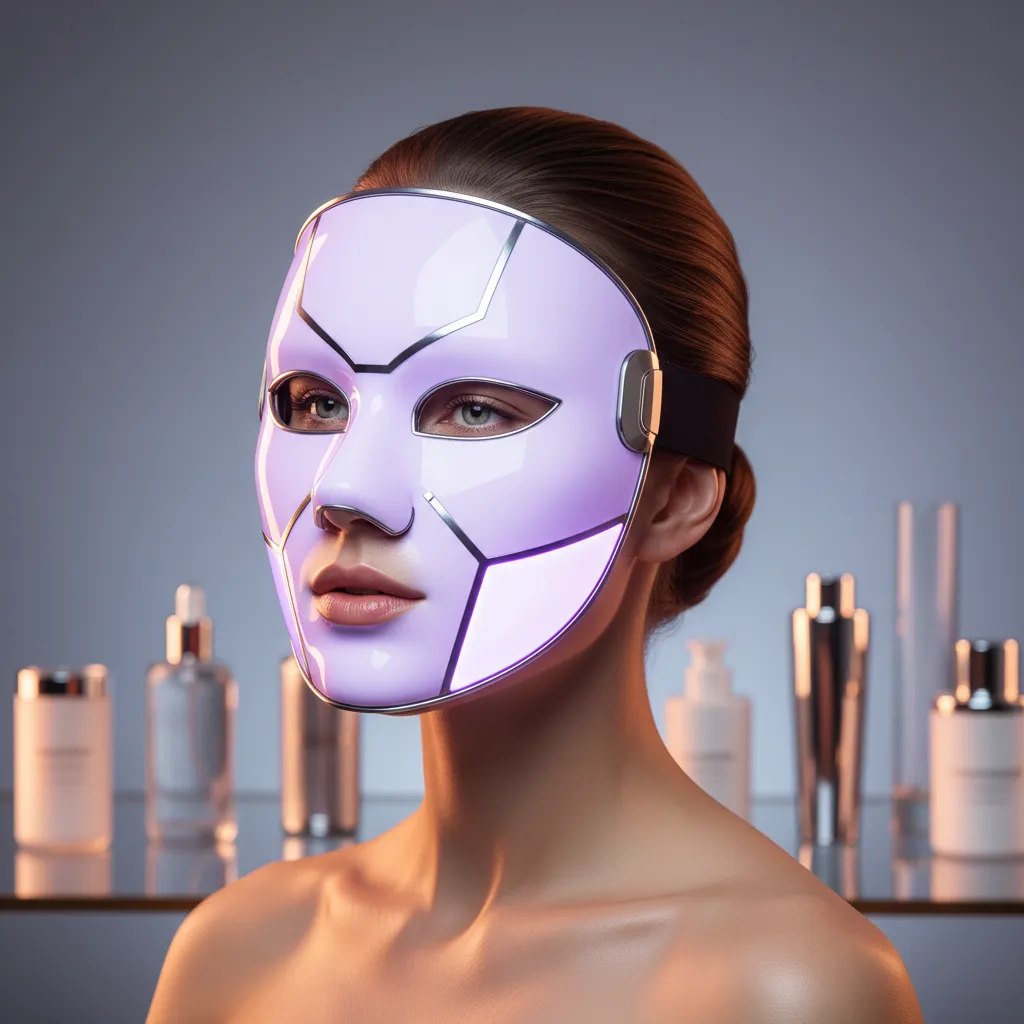
Photobiomodulation using 630–850nm wavelengths of light has moved from clinical dermatology to bathroom staples. Red (630–680nm) stimulates ATP production in mitochondria, boosts collagen synthesis, and reduces inflammation. Near-infrared (810–850nm) penetrates deeper, aiding deeper tissue repair. At-home LED masks have democratized access to technology once limited to clinics.
Why Now
Clinical studies published in the last three years have provided compelling evidence for improvements in fine lines, skin texture, and wound healing. Combined with falling device prices, consumer adoption has exploded.
What to Try
Use a CE-marked or FDA-cleared LED device for 10–20 minutes, 3–5 times per week. Apply a hydrating serum immediately after — light therapy enhances product penetration temporarily.
Peptide Skincare
Peptides — short chains of amino acids — are signaling molecules that instruct skin cells to perform specific functions. Signal peptides stimulate collagen and elastin production. Carrier peptides deliver minerals. Inhibitor peptides block muscle movement (the topical 'Botox effect'). As our understanding of skin biology deepens, peptide formulations have become incredibly sophisticated and targeted.
Why Now
Consumers are moving beyond single-ingredient routines and seeking more nuanced actives. Peptides fill the gap between gentle hydrators and aggressive retinoids, offering meaningful anti-aging benefits with minimal irritation.
What to Try
Layer a peptide serum over your essence and under moisturizer, in the morning or evening. They pair excellently with niacinamide but should be used on alternating evenings from retinoids.
LED Face Masks
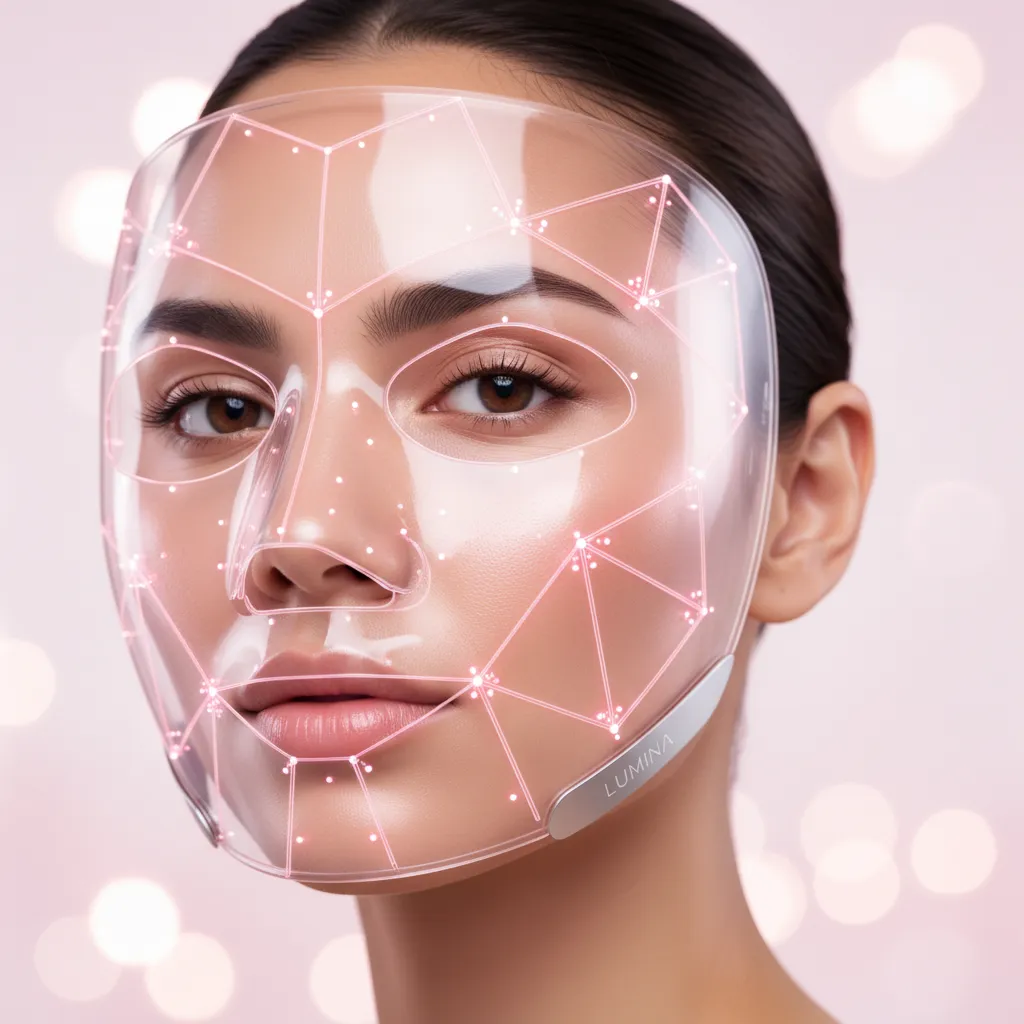
Multi-wavelength LED face masks that cover the entire face simultaneously have become the defining beauty tech device of the decade. Beyond red and near-infrared, modern masks include blue light (415nm, kills acne bacteria), green (520nm, reduces pigmentation), and yellow (590nm, reduces redness). Flexible, hands-free designs have made consistent use achievable.
Why Now
Celebrity endorsements, viral social media content, and a significant drop in manufacturing costs (high-quality masks now available under $200) have created mass adoption.
What to Try
Choose a mask with at least red (630nm) and near-infrared (830nm) wavelengths. FDA clearance or CE marking is a minimum quality indicator to look for.
Cloud Skin
Cloud Skin is the aesthetic evolution of glass skin — instead of a high-shine reflective finish, cloud skin achieves an ultra-luminous, softly blurred, almost ethereal glow. Think of the diffused light of morning clouds rather than the hard reflection of glass. The technique relies on exceptional skin hydration, lightweight luminizing products, and blurring primers or serums.
Why Now
As glass skin became ubiquitous, beauty audiences sought a softer, more wearable version. Cloud skin offers the same hydrated-from-within look with less mirror-shine, making it more suitable for all skin types including oily.
What to Try
Build cloud skin from the inside out: ensure your skincare routine is deeply hydrating (layered hyaluronic acid, snail mucin, or polyglutamic acid), then use a skin-tint or luminizing primer to enhance the natural glow.
Cold Plunge Beauty
Cold therapy's wellness benefits have extended into dedicated beauty rituals. Cold water immersion and cryotherapy cause vasoconstriction that temporarily tightens pores, reduces inflammation, and gives a radiant flush. Products inspired by this — cryo-cooling serums, cold globes, ice rollers, and cryogenic facials — are filling the market.
Why Now
The cold plunge trend (from biohacking and sports recovery) has crossed into mainstream wellness. Beauty brands have successfully translated the concept into accessible, ritual-based skincare products.
What to Try
Keep your gua sha tool or facial roller in the refrigerator overnight. Roll over your face for 5 minutes in the morning after applying serum — it aids product penetration and provides a visible de-puffing effect.
Prejuvenation
Prejuvenation is the preventive skincare movement — the shift from correcting existing signs of aging to actively preventing them from forming. Gen Z and Millennial consumers in their 20s and early 30s are building sophisticated anti-aging routines 15–20 years earlier than previous generations. This includes retinoids, SPF discipline, antioxidants, and sometimes preventive cosmetic treatments.
Why Now
Social media has both educated younger audiences about skin aging mechanisms and normalized preventive cosmetic interventions. The understanding that UV damage and glycation accumulate invisibly for decades before becoming visible has driven proactive action.
What to Try
The most impactful prejuvenation habit is consistent SPF 50+ use, full stop. Add a vitamin C serum in the morning for antioxidant protection, and a low-dose retinol (0.025–0.05%) 2–3 evenings per week.
Shop the Trends
Affiliate links — we earn a small commission at no extra cost to you.
LED Face Mask — 630nm + 830nm
NuFACE Trinity Microcurrent Device
Full-Body Red Light Panel
SkinCeuticals C E Ferulic
Retinol Starter Serum 0.025%
Tinted Mineral SPF 50
Multi-Peptide Anti-Aging Serum
Chrono Night Cream with Peptides
Explore Trend Deep Dives
Science-backed articles on the devices, ingredients, and routines driving beauty forward
Skin Longevity: NAD+, Senolytics & the Science of Biological Age Reversal
The convergence of longevity medicine and dermatology is producing the most exciting anti-aging research in history.
Read More →
Circadian Rhythm 'Chrono-Peptide' Night Creams: The Science of Skin Clock Biology
Your skin has its own internal clock. Chrono-peptide creams engineered around circadian biology deliver actives when skin receptors are most responsive.
Read More →Ultra-Sheer Tinted Mineral Sunscreen Fluids SPF 40+: The Hybrid That Replaced Foundation
The new generation of ultra-sheer tinted mineral sunscreens has solved every complaint about mineral SPF — chalky cast, thick texture, grey tones.
Read More →
Skincare-Infused Hybrid Serum Foundations with SPF: The 3-in-1 Replacing Your Whole Morning Routine
The hybrid serum-foundation category has matured into genuinely sophisticated skincare-makeup crossovers with real active ingredient payloads.
Read More →
At-Home Microcurrent & EMS Facial Sculpting: Professional Results Without the Clinic Price
Microcurrent and EMS devices have crossed a threshold — professional-grade results are now achievable at home with today's technology.
Read More →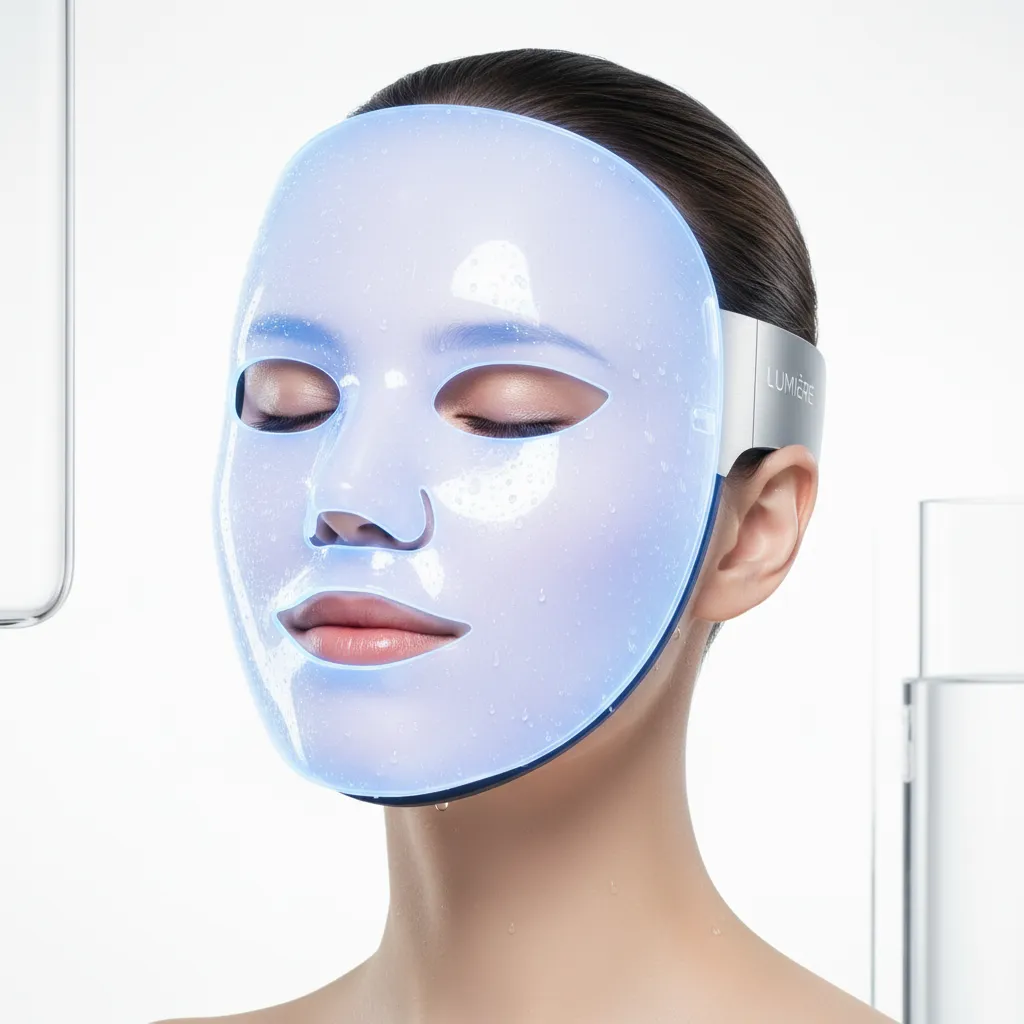
The Complete Guide to At-Home LED Face Masks: Red Light, Blue Light & What Actually Works
LED face masks have moved from clinical curiosity to mainstream bathroom staple. A scientific breakdown of wavelengths, protocols, and what the evidence actually shows.
Read More →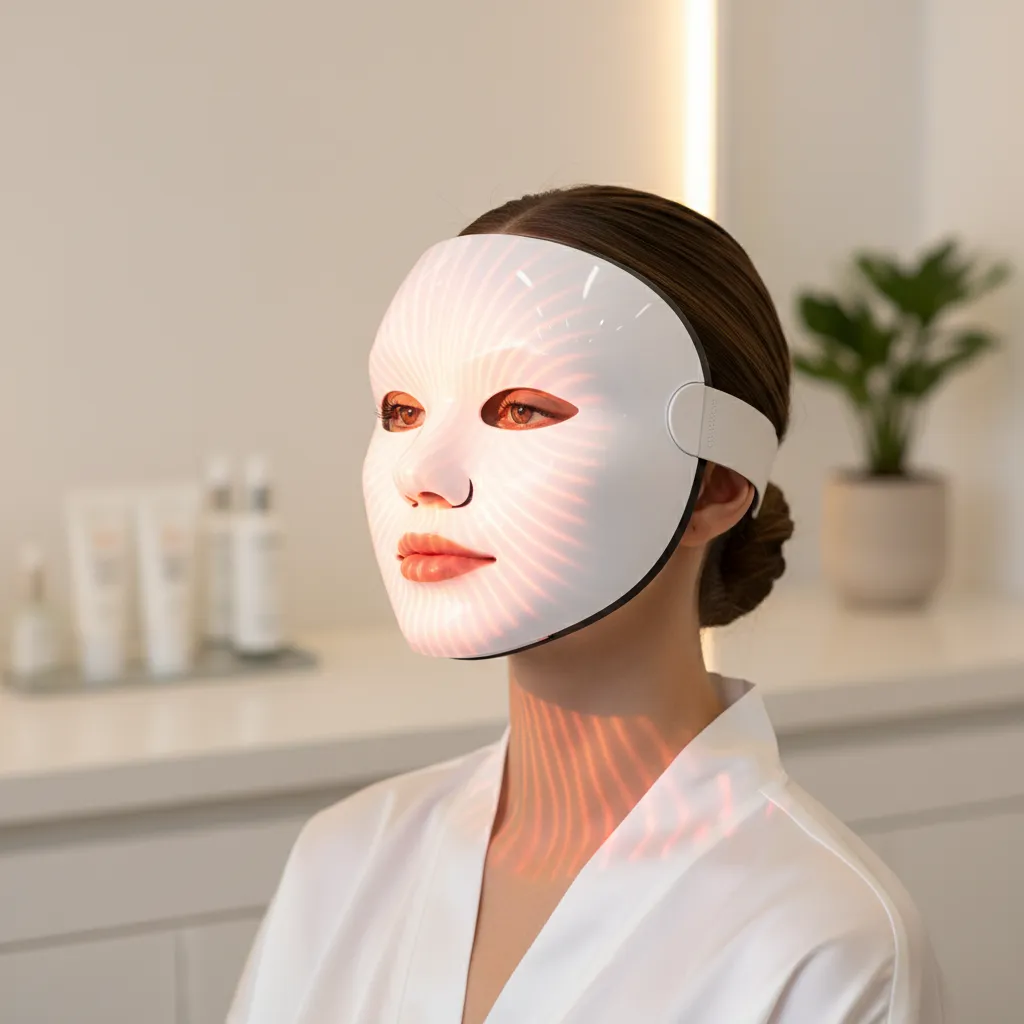
Red Light Therapy at Home: The Science Behind Photobiomodulation
Photobiomodulation (PBM) using red and near-infrared wavelengths is one of the most clinically studied forms of light therapy.
Read More →
NuFace vs ZIIP vs Foreo Bear: Which At-Home Microcurrent Device Actually Works?
Three brand philosophies, three different approaches to facial current delivery. A head-to-head based on waveform science and real clinical data.
Read More →Copper Peptides vs Retinol: Which Anti-Aging Ingredient Should You Choose?
The definitive comparison of copper peptides and retinol — mechanism of action, evidence quality, and how to layer them for maximum results.
Read More →
Multi-Peptide Plumping Lip Treatment Oils: The Science of Fuller Lips Without Filler
A new generation of lip treatment oils combines volumizing peptides, hyaluronic acid complexes, and nutrient-rich botanical oils.
Read More →
Clinical Vitamin C & E + Ferulic Acid Antioxidant Serums: The Pinnell Formula Explained
The Pinnell formula — 15% L-ascorbic acid, 1% vitamin E, 0.5% ferulic acid at pH 3.5 — is backed by more clinical data than almost any other topical antioxidant.
Read More →
Active Peptide Complex Hair Density Serums: The Science of Copper Tripeptides, Redensyl & Capixyl
A new category of scalp serums combining copper tripeptides with plant-derived growth factors is producing measurable hair density gains.
Read More →
Augustinus Bader's TFC8: The Stem Cell Science Behind the $265 Cream
A real stem cell researcher's proprietary complex anchors one of the most expensive luxury moisturizer lines on the market. What's published vs. what's proprietary marketing.
Read More →
Swiss Apple Stem Cell Extract: The Science Behind Juice Beauty's $140+ Cream
A rare, long-lasting Swiss apple variety inspired a patented plant stem cell extract used across premium skincare. What it actually does — and doesn't do.
Read More →Bee Venom vs. Royal Jelly: Two Very Different Premium 'Bee' Skincare Stories
Rodial's Bee Venom and Guerlain's Abeille Royale are both bee-derived — and mechanistically nothing alike. We separate the two, including a real safety note.
Read More →Retinaldehyde: The Retinoid Between Retinol and Prescription Tretinoin
One fewer conversion step than retinol, better tolerated than tretinoin — the real vitamin A conversion chemistry behind Medik8's Crystal Retinal.
Read More →
Skin Cycling in 2026: The Dermatologist-Coined Method That Actually Held Up
Skin cycling is one of the rare skincare trends that originated with an actual dermatologist rather than social media. We explain the four-night method and where it's evolved for 2026.
Read More →K-Beauty's Microbiome Movement: What Prebiotic, Probiotic & Postbiotic Skincare Actually Means
Prebiotic, probiotic, and postbiotic are used almost interchangeably in marketing, but they're three genuinely different ingredient categories. We define each precisely.
Read More →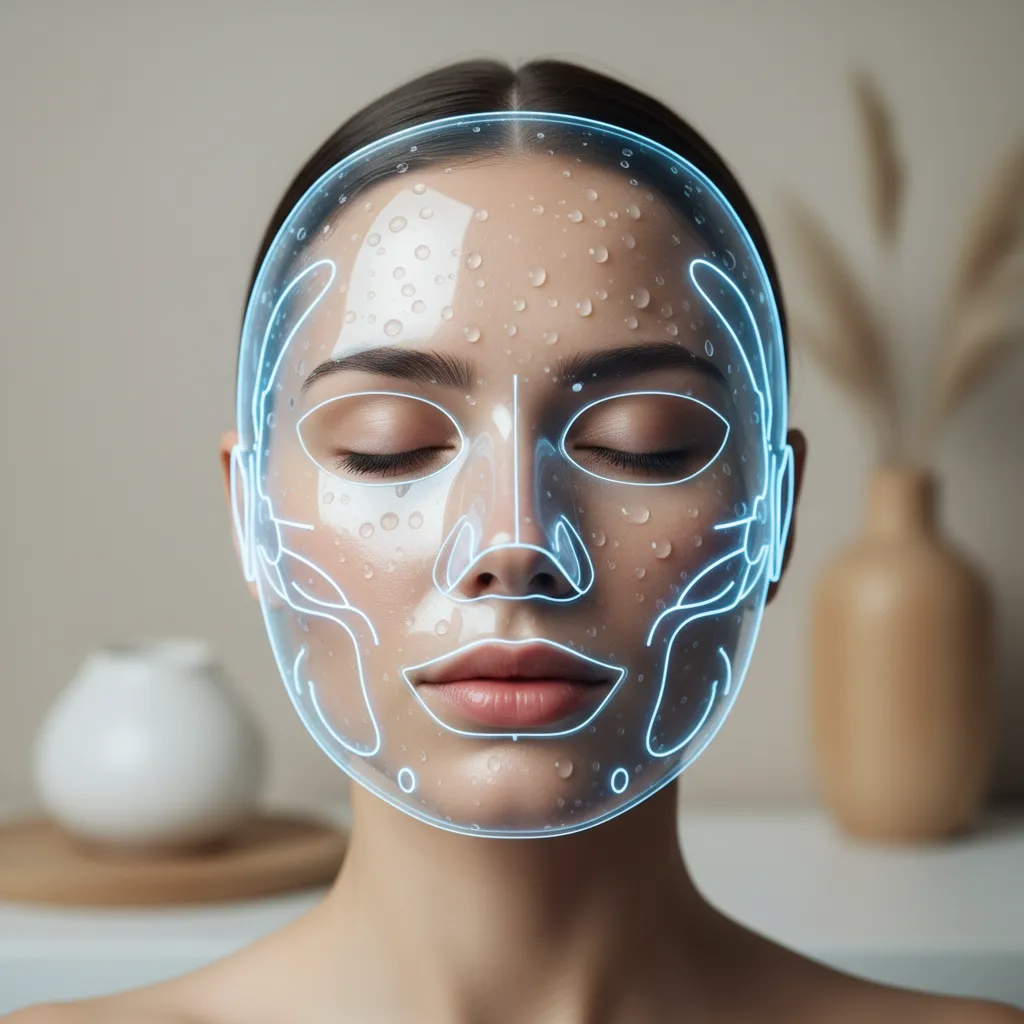
AI Skin Diagnostics: How Korean Beauty Tech Is Personalizing Skincare in 2026
Amorepacific, Samsung, and LG all showcased AI-driven skin analysis at CES 2026. We explain what these systems actually measure, and where consumer-facing AI still oversells its precision.
Read More →