Affiliate disclosure: This article contains Amazon affiliate links. As an Amazon Associate, Glowstice earns from qualifying purchases — at no extra cost to you. Our editorial recommendations are independent of these partnerships. Learn more · How we evaluate products
Quick Picks
Affiliate links: we may earn a commission at no extra cost to you.
| Product | Price | Link |
|---|---|---|
Bee Venom Pick Rodial Bee Venom Moisturiser | ~$177 | Shop Now → |
Royal Jelly Pick Guerlain Abeille Royale Double R Renew & Repair Serum | ~$150 | Shop Now → |
Honey + Royal Jelly + Hyaluronic Acid Guerlain Abeille Royale Multi-Wrinkle Minimizer Eye Cream | ~$85 | Shop Now → |
Prices last checked on September 27, 2026 and rounded to the dollar. Amazon prices change often; the price shown at checkout is the one that applies.
"Bee skincare" gets treated as one category in a lot of marketing, but bee venom and royal jelly are biologically unrelated substances with completely different mechanisms, evidence bases, and safety profiles. Rodial's Bee Venom line and Guerlain's Abeille Royale line are both genuinely premium ($90–$300+), both real and widely sold, and both worth understanding separately rather than as interchangeable 'bee' products.
Two Completely Different Ingredients
Bee venom (apitoxin) is the defensive toxin bees inject when they sting — a complex mixture dominated by melittin (roughly half of dry venom by weight), along with phospholipase A2 and other enzymes and peptides. Royal jelly is an entirely different bee product: a nutrient-dense secretion worker bees produce to feed developing larvae and, exclusively, the queen bee throughout her life — rich in proteins (including one called royalactin), fatty acids (notably 10-hydroxydecenoic acid, unique to royal jelly), amino acids, and B-vitamins.
One is a defensive toxin; the other is a nutritional secretion. Their proposed skincare mechanisms, evidence bases, and safety considerations don't overlap, which is why they're covered separately here rather than lumped together as 'bee ingredients.'
How Bee Venom Is Said to Work
In cosmetic formulations, bee venom (or synthetic melittin-mimicking peptides marketed under similar names) is used at controlled, diluted concentrations intended to trigger a mild, localized blood-flow and inflammatory response on application — the theory being that this mimics, at a much smaller scale, the body's healing response to an actual sting, encouraging collagen production and giving a temporary firming or plumping sensation.
Marketing sometimes describes this as a 'topical alternative to Botox' — an inaccurate comparison worth correcting: Botox works by blocking nerve signals to muscles, preventing contraction; bee venom's proposed mechanism is a mild irritant/circulatory response with no relationship to neuromuscular blocking. Any tightening sensation from bee venom products is a different biological event entirely, and considerably more subtle and temporary.
Related Reading
Editor's Product Picks
Affiliate links — we earn a small commission at no extra cost to you.
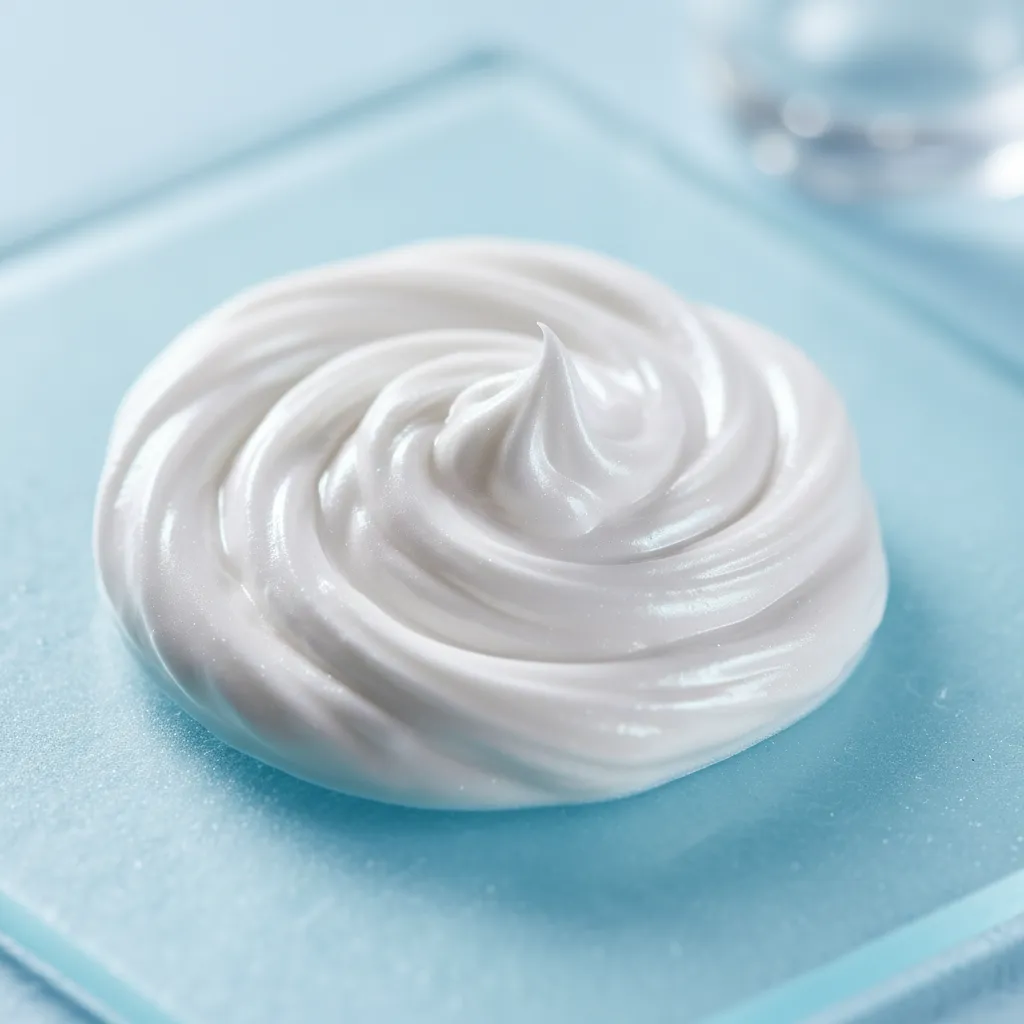
Guerlain Abeille Royale Double R Renew & Repair Serum
~$150
Sold by Turbo One, a third-party sellerShop Now →
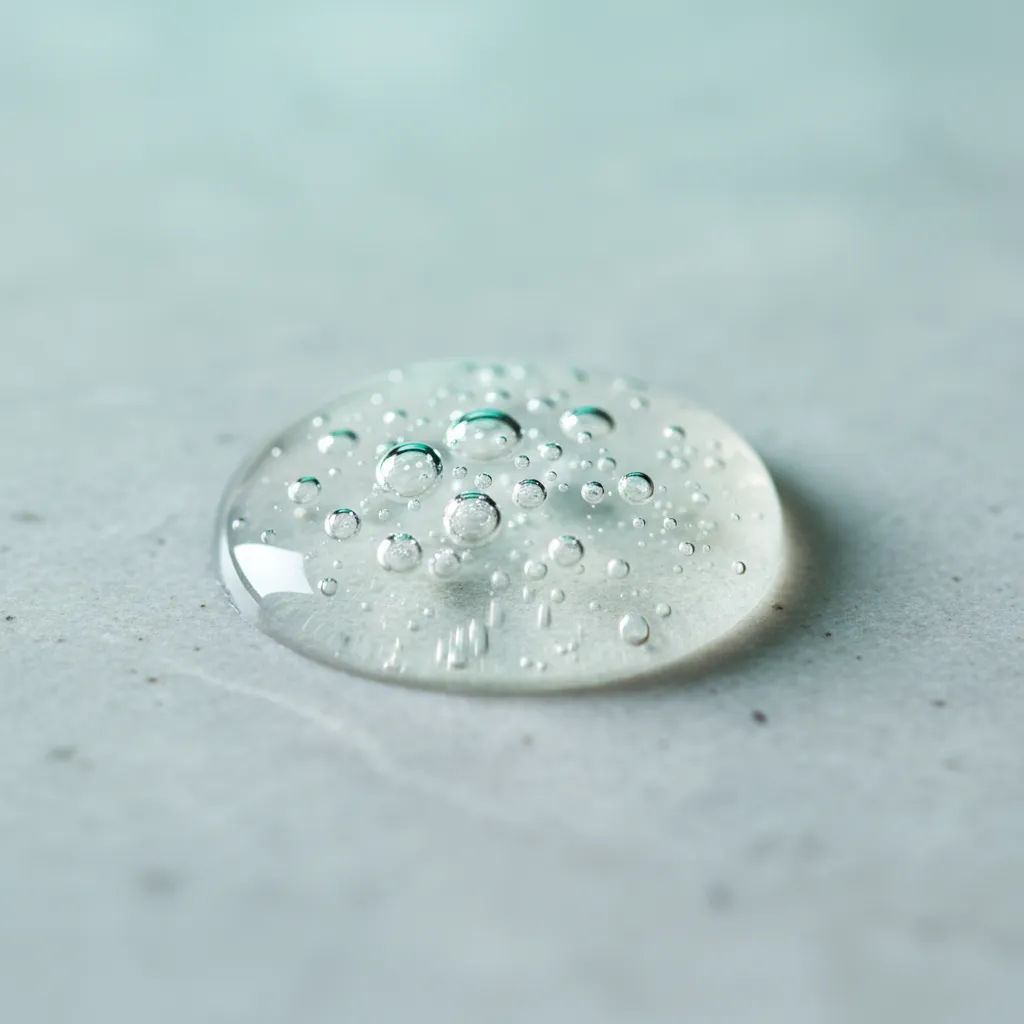
Guerlain Abeille Royale Multi-Wrinkle Minimizer Eye Cream
~$85
Sold by VerSure, a third-party sellerThis is Guerlain's eye cream (15ml), not a face cream.Shop Now →Prices last checked on September 27, 2026 and rounded to the dollar. Amazon prices change often; the price shown at checkout is the one that applies.
The Bee Venom Safety Note
This is a genuine safety consideration, not a marketing caveat: people with a known bee sting allergy should not use bee venom skincare products, even in diluted cosmetic concentrations, without consulting a doctor first. Bee venom contains the same allergenic proteins responsible for anaphylactic reactions to bee stings, and cosmetic dilution does not eliminate that risk for a genuinely allergic individual. If you've never been stung and don't know your allergy status, a patch test is a reasonable precaution before using any bee venom product on your face.
How Royal Jelly Is Said to Work
Royal jelly's proposed cosmetic benefits center on its dense nutrient profile: 10-hydroxydecenoic acid (10-HDA) has documented antimicrobial and anti-inflammatory properties in published research, and the protein and B-vitamin content is proposed to support skin nourishment and barrier function. Unlike bee venom, royal jelly's mechanism isn't about triggering a controlled irritant response — it's positioned as a nutrient-delivery ingredient, closer in concept to a rich, bioactive humectant or emollient complex than an active irritant.
The honest caveat, consistent with most single-ingredient 'hero' stories in this guide: most of the strongest published research on 10-HDA and royal jelly's antimicrobial/anti-inflammatory activity comes from food science and general biology literature rather than dermatology-specific, placebo-controlled trials on finished cosmetic formulas.
Guerlain's Apiculture Research Program
Guerlain is a genuine outlier in having built a real, long-running apiculture research and conservation effort around its Abeille Royale line — including a black bee (Apis mellifera mellifera) conservation program on the French island of Ouessant, running since 2016, alongside decades of in-house research into royal jelly and bee-derived actives dating back to when the line first launched. This is a real, verifiable corporate research investment, distinct from most 'proprietary complex' luxury ingredients that have no comparable dedicated research infrastructure behind them.
That said, an internal, brand-funded research program — however genuine and long-running — is not the same as independent, peer-reviewed, third-party clinical validation of the finished Abeille Royale formulas. The apiculture program strengthens the brand's credibility and sourcing story; it doesn't substitute for independent efficacy trials.
Which One Should You Choose?
If you're drawn to the idea of a mild, stimulating 'micro-trauma' active for temporary firming — and you have no bee sting allergy — bee venom is a real, if modestly evidenced, option. If you want a rich, nutrient-dense formula with a genuinely well-documented brand research program behind the sourcing (even without independent finished-product trials), royal jelly and Guerlain's Abeille Royale line is the stronger choice. Neither should be expected to replace retinoids, vitamin C, or peptides as your primary anti-aging active — both work best as a complementary, luxury-tier addition to an evidence-based routine.
Product Picks
Here are the flagship products representing each ingredient story, both genuinely premium and widely available.
Frequently Asked Questions
Is bee venom skincare safe?+
For most people without a bee sting allergy, cosmetic bee venom is used at diluted, controlled concentrations generally considered safe for topical use. If you have a known or suspected bee sting allergy, avoid it or consult a doctor first — the allergenic proteins in bee venom are the same ones responsible for sting reactions, and dilution in a cosmetic formula does not remove that risk for an allergic individual.
Is bee venom actually like Botox?+
No — this is a common but inaccurate marketing comparison. Botox blocks nerve signals to muscles to prevent contraction. Bee venom's proposed cosmetic mechanism is a mild, localized irritant/blood-flow response theorized to stimulate collagen production. They are mechanistically unrelated, and bee venom's effects, to the extent they occur, are considerably more subtle and temporary.
What is royal jelly used for in skincare?+
Royal jelly is used as a nutrient-dense active, valued for compounds like 10-hydroxydecenoic acid (10-HDA), which has documented antimicrobial and anti-inflammatory properties in published research, along with proteins, amino acids, and B-vitamins proposed to support skin nourishment and barrier function. It's positioned as a rich nutritive ingredient rather than an irritant-based active like bee venom.
Author
Glowstice Editorial
The Glowstice editorial team consists of skincare researchers, cosmetic chemists, and science writers dedicated to translating peer-reviewed dermatology into practical guidance for curious consumers.