Affiliate disclosure: This article contains Amazon affiliate links. As an Amazon Associate, Glowstice earns from qualifying purchases — at no extra cost to you. Our editorial recommendations are independent of these partnerships. Learn more · How we evaluate products
Quick Picks
Affiliate links: we may earn a commission at no extra cost to you.
| Product | Price | Link |
|---|---|---|
Flagship La Prairie Skin Caviar Luxe Cream | ~$610 | Shop Now → |
Iconic La Prairie Skin Caviar Liquid Lift | Brand site | Shop direct → |
Caviar Extract + Cellular Complex La Prairie Skin Caviar Eye Lift | Brand site | Shop direct → |
Prices last checked on September 27, 2026 and rounded to the dollar. Amazon prices change often; the price shown at checkout is the one that applies.
La Prairie's Skin Caviar line is among the most expensive on the mainstream luxury market — the flagship Luxe Cream costs around $610 for 1.7oz on Amazon. The brand's name and 'cellular' positioning trace back to a real, if now largely discredited, Swiss medical history. Understanding that history helps make sense of what you're actually paying for: heritage and proprietary formulation, more than a uniquely proven active ingredient.
The Swiss Clinic Origin Story
La Prairie's name and 'cellular' branding originate from La Clinique La Prairie, a real Swiss wellness clinic founded in Montreux in 1931 by Dr. Paul Niehans, who pioneered a practice called 'cellular therapy' — injecting patients with live cells derived from lamb fetuses, claimed to have rejuvenating effects. This practice was popular with a wealthy clientele for decades but lacks modern scientific support and has been broadly discredited by contemporary medicine.
The modern La Prairie cosmetics company (now owned by Beiersdorf, the German company behind Nivea and Eucerin) is a separate commercial entity that licensed the clinic's name and cellular-wellness mystique for a skincare line — it does not use the clinic's original live-cell injection method. The 'cellular' language throughout La Prairie's marketing is a direct inheritance of this history, which is worth knowing given how central the Swiss science narrative is to the brand's premium positioning.
What Caviar Extract Actually Is
The active ingredient at the center of the Skin Caviar line is, as the name suggests, an extract derived from caviar (sturgeon roe). Fish roe generally contains lipids (including omega-3 fatty acids), proteins, amino acids, and minerals — nutrient categories with generally understood antioxidant and moisturizing relevance in cosmetic chemistry.
The exact extraction process, concentration, and full composition of La Prairie's caviar extract are proprietary and undisclosed beyond the INCI ingredient list, following the same trade-secret pattern common to most luxury 'hero ingredient' complexes covered throughout this guide.
Related Reading
Editor's Product Picks
Affiliate links — we earn a small commission at no extra cost to you.
La Prairie Skin Caviar Liquid Lift
Price on brand site
Amazon lists this without reliable stock, so this links La Prairie's own store.Not sold on Amazon. We earn nothing from this link.Buy direct from La Prairie →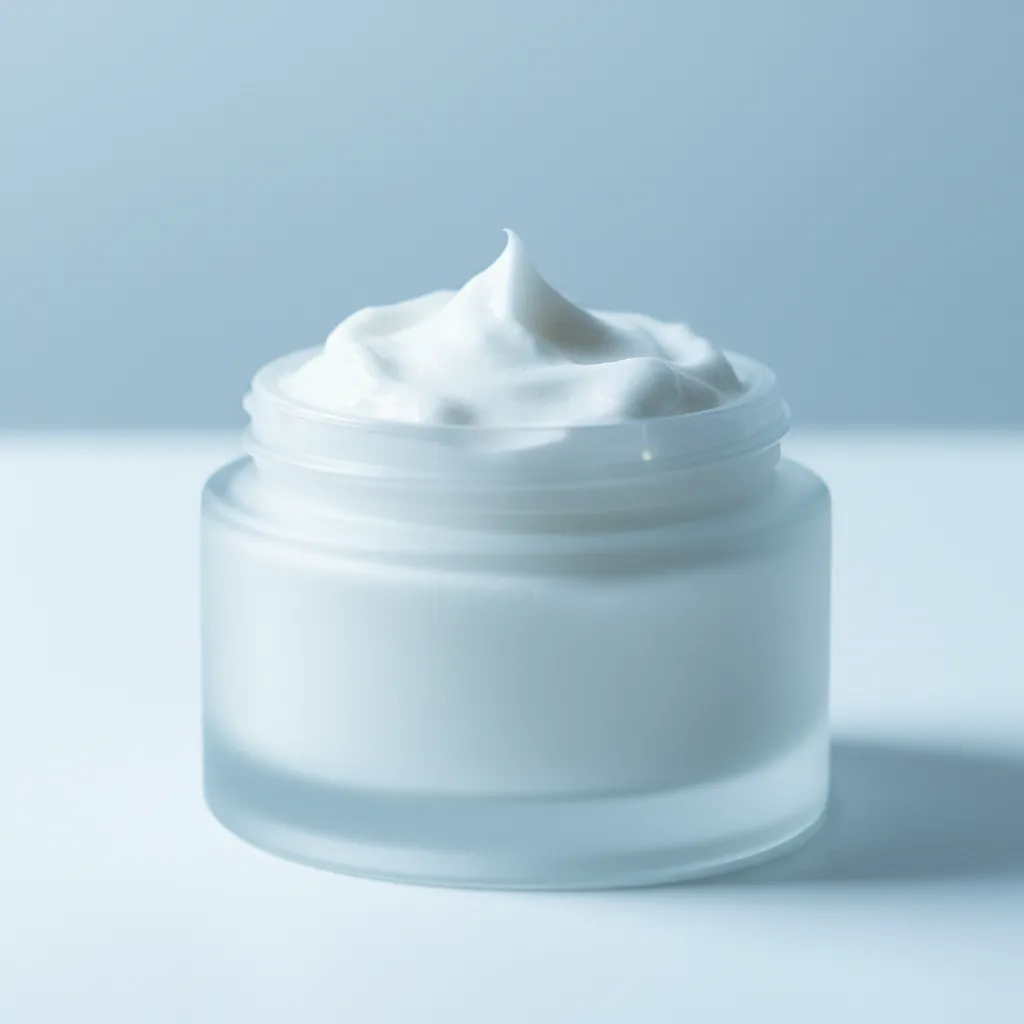
La Prairie Skin Caviar Luxe Cream
~$610
Sold by La Prairie Switzerland, a third-party sellerShop Now →
La Prairie Skin Caviar Eye Lift
Price on brand site
We couldn't find Eye Lift on Amazon, so this links La Prairie's own store.Not sold on Amazon. We earn nothing from this link.Buy direct from La Prairie →Prices last checked on September 27, 2026 and rounded to the dollar. Amazon prices change often; the price shown at checkout is the one that applies.
The 'Cellular Complex' Trademark
La Prairie markets its formulas around a trademarked 'Cellular Complex,' described in broad, non-specific marketing language as supporting skin's cellular renewal processes. As with Augustinus Bader's TFC8 and other proprietary complexes in this series, the specific formulation and mechanism are not published for independent, peer-reviewed scrutiny — what's publicly available is the finished product's INCI list and the brand's own descriptive marketing copy, not a disclosed formula or independently reproducible methodology.
What the Evidence Shows
Marine roe and caviar-derived extracts have some general support in cosmetic ingredient literature for antioxidant and moisturizing properties, consistent with their lipid and amino acid content. La Prairie has conducted its own consumer studies and dermatologist-panel testing reporting improvements in hydration, firmness, and radiance with regular use of its Skin Caviar products.
What's not publicly available is an independent, peer-reviewed, placebo-controlled clinical trial isolating La Prairie's specific caviar extract and Cellular Complex against a comparably formulated, lower-priced moisturizer. This is the consistent pattern across nearly every ultra-luxury 'hero ingredient' story: the general ingredient category has plausible cosmetic chemistry behind it; the specific proprietary formula's superiority over alternatives is brand-asserted rather than independently demonstrated.
Is the Price Justified?
At roughly $180–$610 on Amazon depending on product and size, Skin Caviar sits at the very top of the luxury moisturizer spectrum — several multiples more expensive than La Mer or Augustinus Bader, also covered in this guide. You are paying substantially for heritage, packaging, brand exclusivity, and a genuinely rich, well-regarded sensorial texture, rather than for independently verified superior efficacy versus other rich moisturizers built around lipids, ceramides, and antioxidants.
If the Swiss heritage narrative, packaging, and status positioning matter to you and the price fits your budget, Skin Caviar is a long-established, consistently reformulated luxury product with a loyal following. If you're optimizing purely for independently verified ingredient efficacy per dollar, this is the least defensible purchase on efficacy grounds of any product covered in this premium series.
The Core Lineup
La Prairie's core Skin Caviar collection spans several formats, all built around the same trademarked caviar extract and Cellular Complex.
Frequently Asked Questions
Is La Prairie Skin Caviar worth the money?+
It depends what you're optimizing for. You're paying largely for heritage, packaging, brand exclusivity, and a well-regarded texture rather than independently verified superior efficacy — no published, peer-reviewed trial demonstrates that La Prairie's caviar extract and Cellular Complex outperform far less expensive lipid- and antioxidant-rich moisturizers. If the luxury experience and brand story matter to you and fit your budget, it's a long-established, consistently reformulated product with a loyal following.
Why is it called 'Skin Caviar'?+
The name reflects the product's central active ingredient — an extract derived from caviar (sturgeon roe), which contains lipids, proteins, and minerals with general cosmetic-chemistry relevance to moisturizing and antioxidant activity. The brand's broader 'cellular' positioning and name (La Prairie) trace back to a real, now largely discredited, Swiss 'cellular therapy' clinic from the 1930s, which the modern cosmetics company is commercially licensed from but does not practice.
Author
Glowstice Editorial
The Glowstice editorial team consists of skincare researchers, cosmetic chemists, and science writers dedicated to translating peer-reviewed dermatology into practical guidance for curious consumers.