Affiliate disclosure: This article contains Amazon affiliate links. As an Amazon Associate, Glowstice earns from qualifying purchases — at no extra cost to you. Our editorial recommendations are independent of these partnerships. Learn more · How we evaluate products
Quick Picks
Affiliate links: we may earn a commission at no extra cost to you.
| Product | Price | Link |
|---|---|---|
Nights 3 & 4: Recovery CeraVe Moisturizing Cream | ~$18 | Shop Now → |
Night 2: Retinoid CeraVe Resurfacing Retinol Serum | ~$16 | Shop Now → |
Night 1: Exfoliation The Ordinary Glycolic Acid 7% Exfoliating Toner | ~$12 | Shop Now → |
Prices last checked on September 27, 2026 and rounded to the dollar. Amazon prices change often; the price shown at checkout is the one that applies.
Most skincare 'methods' that go viral originate from a brand, an influencer, or a marketing team — skin cycling is a genuine exception. It was coined and structured by Dr. Whitney Bowe, a board-certified dermatologist, as a way to help patients get consistent benefit from actives like retinoids and acids without the trial-and-error irritation that causes most people to either overdo it or quit entirely. Several years into its popularity, the core structure has held up well, and it's worth understanding both why it works and how it's been refined since its original four-night framework.
Who Coined It, and Why That Matters
Skin cycling's origin as a dermatologist-developed framework, rather than a crowd-sourced social media routine, is a meaningful distinction in a category where most viral 'hacks' have no clinical reasoning behind them. The method was built around a specific, common problem Dr. Bowe observed in practice: patients either used strong actives every single night (risking irritation, barrier damage, and eventually abandoning the products entirely) or used them too sporadically to see consistent results. Skin cycling was designed as a middle path — structured enough to produce compounding benefits, but paced enough to avoid the burnout that ends most people's relationship with retinoids.
The Four-Night Structure, Explained
The original method rotates through four nights on a repeating cycle: Night 1 uses a chemical exfoliant (an AHA or BHA), Night 2 uses a retinoid, and Nights 3 and 4 are 'recovery' nights using only hydrating, barrier-supportive products with no active ingredients at all. The sequencing is deliberate — exfoliating on Night 1 removes surface dead skin cells, which can improve how well the retinoid penetrates and performs on Night 2, while the back-to-back recovery nights give the skin barrier a genuine, uninterrupted window to rebuild before the next active night arrives. This is a meaningfully different structure than either using both actives every night (too aggressive for most skin) or using them randomly whenever remembered (too inconsistent to build tolerance or see compounding results).
Related Reading
Editor's Product Picks
Affiliate links — we earn a small commission at no extra cost to you.
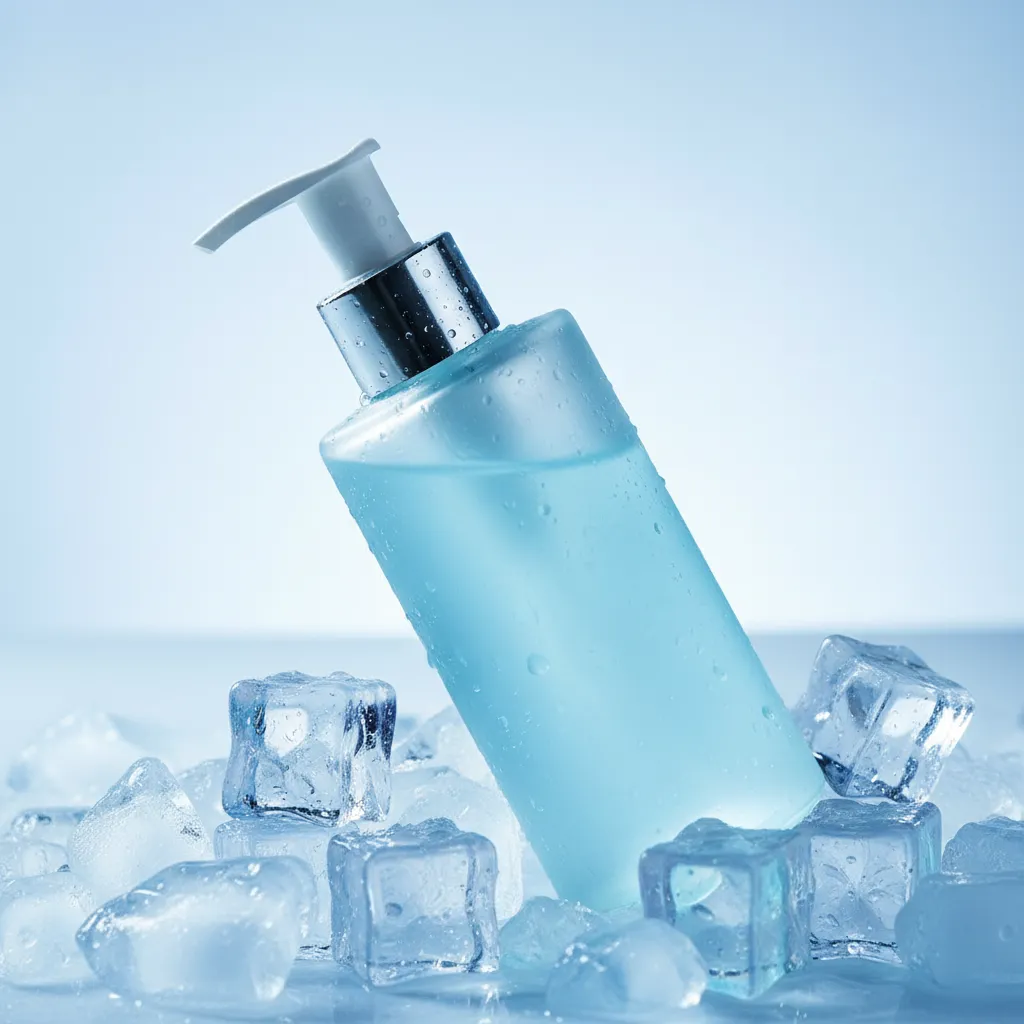
The Ordinary Glycolic Acid 7% Exfoliating Toner
~$12
Sold by Amazon.comShop Now →
CeraVe Resurfacing Retinol Serum
~$16
Sold by Amazon.comShop Now →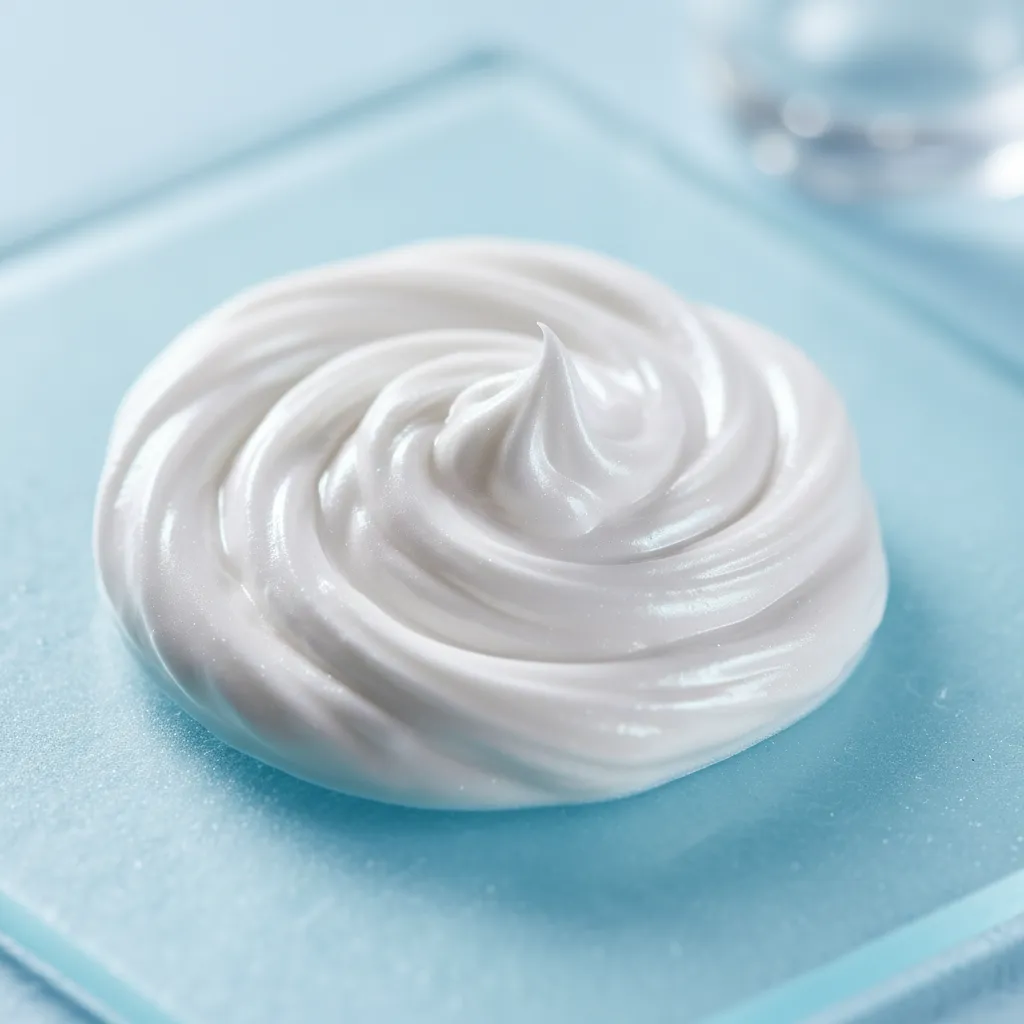
CeraVe Moisturizing Cream
~$18
Sold by Amazon.comShop Now →Prices last checked on September 27, 2026 and rounded to the dollar. Amazon prices change often; the price shown at checkout is the one that applies.
Why Rotation Beats Daily Active-Stacking
Retinoids and chemical exfoliants both work by accelerating cell turnover and, to varying degrees, temporarily compromising the very top layer of the skin barrier as part of that process — a normal, expected part of how they function, not a sign something has gone wrong. Using both every single night doesn't allow that barrier compromise to fully resolve before the next irritant is introduced, which is the most common mechanism behind classic 'retinoid burn' or over-exfoliation. Built-in recovery nights aren't a compromise on results — they're what makes the active nights sustainable long-term, which matters more for actual outcomes than any single night's product choice, since consistency over months is what drives visible retinoid results, not any individual application.
How the Method Has Evolved for 2026
Dr. Bowe has since formalized variations on the original structure for people at different tolerance levels: an 'advanced cycling' version that adds a second retinoid night for those with well-established tolerance, and a 'gentle cycling' approach for retinoid beginners that introduces one new active at a time rather than starting both exfoliant and retinoid nights simultaneously. The recovery-night category has also gotten more sophisticated — rather than 'just moisturize,' 2026-era recovery nights increasingly incorporate peptides specifically, since peptides work with the skin's existing signaling biology rather than exfoliating or resurfacing, making them a genuinely complementary addition to a recovery night rather than another active competing for tolerance budget. The four-night structure remains the reasonable starting template, with these variations serving as adjustments once you understand how your own skin responds.
Who Should — and Shouldn't — Follow This Structure
Skin cycling is most useful for those who've either struggled with retinoid irritation in the past or are new to actives and want a structured, lower-risk entry point. It's less necessary for those with well-established, years-long tolerance to daily retinoid use who haven't had irritation issues — for that group, the structure may under-deliver relative to a more active-forward routine their skin already handles well. Anyone with a compromised barrier, active eczema or rosacea flares, or who is currently under dermatologist care for a specific skin condition should get individualized guidance rather than following a general framework, since the right starting point varies significantly by underlying skin condition.
Frequently Asked Questions
Do I have to follow the exact four-night order?+
The specific order (exfoliant, then retinoid, then two recovery nights) is intentional — exfoliating first can improve retinoid penetration, and the back-to-back recovery nights give your barrier a genuine window to rebuild. You can adjust frequency as tolerance builds, but skipping straight from exfoliant to another active night defeats the purpose of the structure.
Can I use skin cycling if I already tolerate daily retinoid use well?+
You don't necessarily need to — skin cycling is designed as a structured entry point for those who've struggled with irritation or are new to actives. If you already use retinoids nightly without issues, the structure may under-deliver relative to a routine your skin already handles well.
Author
Glowstice Editorial
The Glowstice editorial team consists of skincare researchers, cosmetic chemists, and science writers dedicated to translating peer-reviewed dermatology into practical guidance for curious consumers.