Vitamin C (L-Ascorbic Acid)
The gold-standard antioxidant for photoprotection, brightening, and collagen synthesis
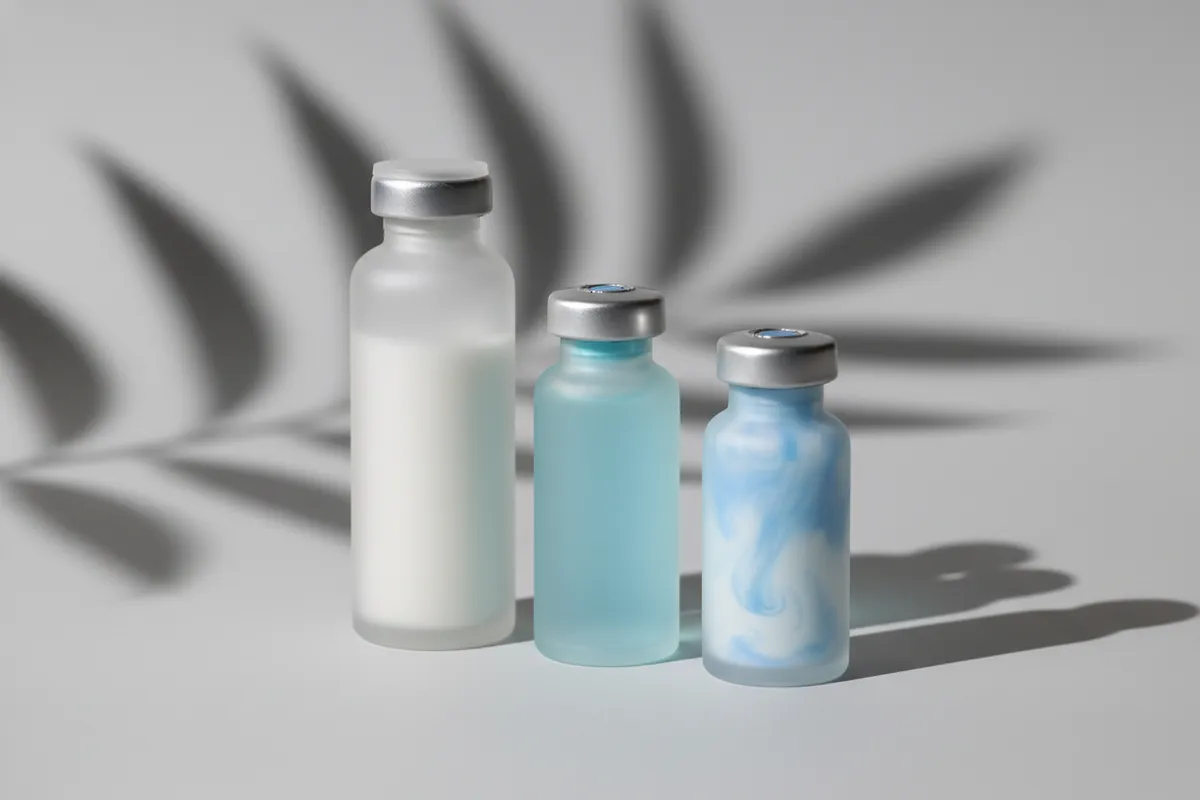
L-Ascorbic acid is the most potent antioxidant available in topical skincare and the cornerstone of any evidence-based morning routine. Its mechanism operates on three simultaneous and independent pathways: direct neutralization of free radicals generated by UV radiation and pollution; tyrosinase inhibition to prevent and fade hyperpigmentation; and essential cofactor activity for the enzymes responsible for stable collagen synthesis. A well-formulated vitamin C serum is one of the highest-ROI investments in any anti-aging or brightening routine — period.
How It Works
Vitamin C operates through three distinct mechanisms. First, as a free radical scavenger: ascorbic acid donates electrons to neutralize reactive oxygen species (ROS) — including singlet oxygen, superoxide, and hydroxyl radicals — generated by UV exposure, pollution, and metabolic processes. This prevents oxidative damage to structural proteins (collagen, elastin) and DNA. Second, as a tyrosinase inhibitor: ascorbic acid blocks the rate-limiting enzyme in melanin biosynthesis at the oxidation step, preventing formation of dopaquinone from DOPA. This dual action — preventing new pigmentation and gradually fading existing deposits — makes it the most evidence-backed brightening active available. Third, as a collagen cofactor: ascorbic acid is an essential cofactor for prolyl and lysyl hydroxylases — the enzymes that hydroxylate proline and lysine residues in procollagen to form the stable triple-helix structure of mature collagen. Without adequate ascorbic acid, newly synthesized collagen is structurally unstable. Topical delivery provides skin-local concentrations far exceeding what systemic intake achieves.
What the Research Shows
Vitamin C has one of the most extensive clinical evidence bases in cosmetic dermatology. The Pinnell formula — 15% L-ascorbic acid + 1% vitamin E + 0.5% ferulic acid at pH 3.2, commercialized as SkinCeuticals C E Ferulic — is perhaps the most studied topical antioxidant formulation in history, with multiple peer-reviewed papers confirming photoprotective and anti-aging efficacy. Humbert et al. (2003, Experimental Dermatology) demonstrated significant improvements in wrinkle depth, skin texture, and photoaging parameters in a double-blind, placebo-controlled 6-month trial. Lin et al. (2003, Journal of Investigative Dermatology) confirmed the photoprotective synergy of the vitamin C + E + ferulic combination. Post-market clinical data spanning over 20 years corroborates the formula's efficacy in real-world use.
How To Use It
Apply vitamin C serum in the morning after cleansing and before moisturizer and SPF. Effective L-ascorbic acid products require a pH below 3.5 for optimal percutaneous penetration — most quality products are formulated in this range. Apply to dry skin and allow 3–5 minutes to absorb before layering. One to two full droppers covers the face, neck, and décolleté. Combine with SPF 50+ for synergistic photoprotection — vitamin C has been shown in controlled studies to double UV protection effectiveness. If transitioning from a lower-concentration product, start 2–3 times per week to allow skin to adapt to the low pH.
Layering Guide
Vitamin C (L-ascorbic acid) is incompatible in the same application step as copper peptides — the low pH of vitamin C can oxidize the copper ion, reducing efficacy of both. Use copper peptides at night. High-concentration niacinamide layered directly over fresh vitamin C may cause a transient flush in some users — applying separately or waiting between applications eliminates this. It stacks synergistically with vitamin E and ferulic acid (the Pinnell trio) — look for products that combine all three. Apply before moisturizer and SPF in the morning routine. Hyaluronic acid can be layered directly over vitamin C serums.
Cautions & Compatibility
L-Ascorbic acid at effective concentrations (10–20%) requires low pH (2.5–3.5), which causes stinging or flushing in sensitive skin. For sensitive skin types, begin with 8–10% formulations and build up. Vitamin C oxidizes rapidly on exposure to air, light, and heat — look for opaque, airless pump or dark glass packaging. Discard products that have turned distinctly orange-brown (oxidized ascorbic acid loses antioxidant potency and may have mild pro-oxidant activity). If persistent irritation occurs with L-ascorbic acid, alternative derivatives — ascorbyl glucoside, sodium ascorbyl phosphate, 3-O-ethyl ascorbic acid — provide better tolerability at the trade-off of lower potency and slower skin conversion.
Shop by Product Type
Each link opens an Amazon search for that type of product, not a single product we've verified. Check the brand and seller before you buy.
15% Vitamin C + E + Ferulic Serum
Pinnell formula — clinical strength
10% Vitamin C Brightening Serum
Entry-strength antioxidant serum
Vitamin C + Niacinamide Brightening Serum
Dual brightening + barrier support
As an Amazon Associate, Glowstice earns from qualifying purchases, at no extra cost to you. Links checked on September 27, 2026. Learn more · How we evaluate products
Related Ingredients