Niacinamide
Vitamin B3 — the most versatile skincare active in existence
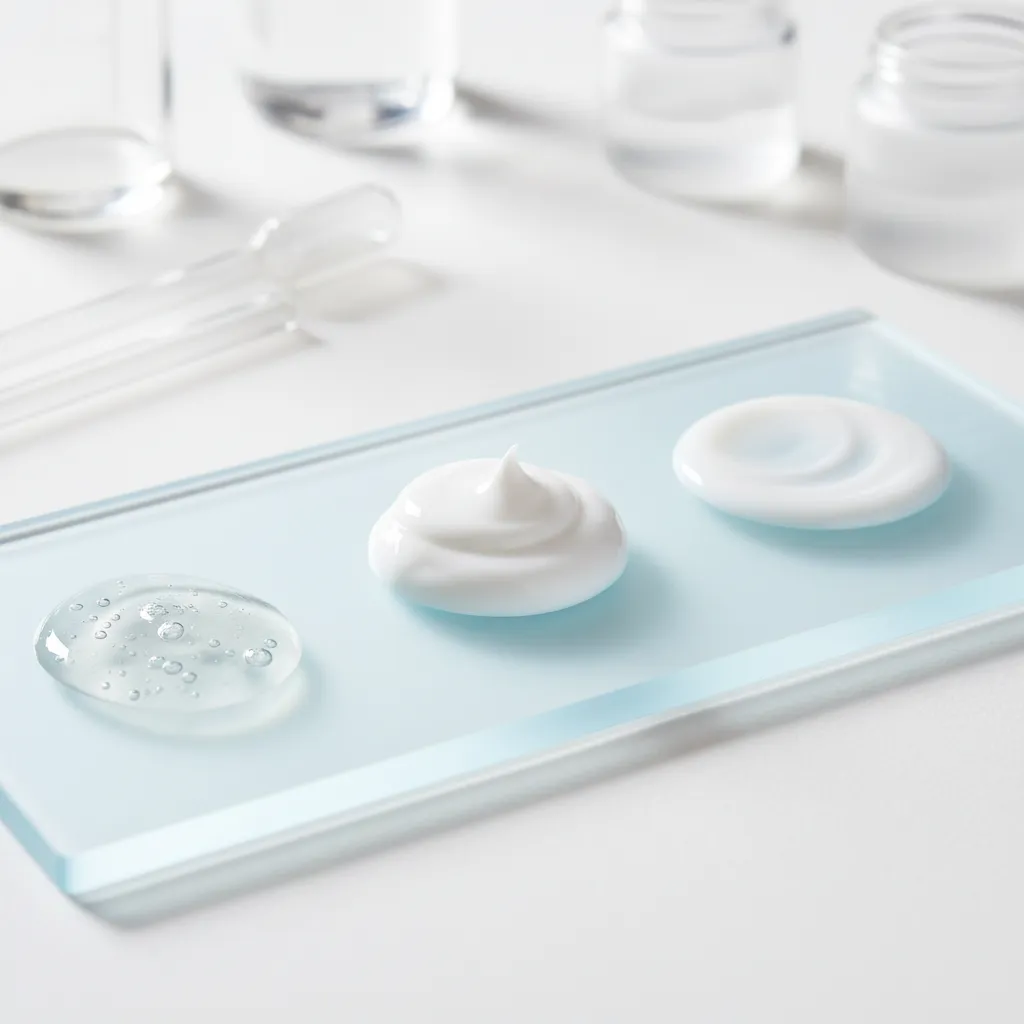
Niacinamide (nicotinamide, Vitamin B3) is arguably the most well-rounded skincare ingredient available without a prescription. It simultaneously addresses pore appearance, oil production, hyperpigmentation, skin barrier integrity, and inflammation — and does so with one of the strongest evidence bases in cosmetic dermatology. If there is one ingredient worth prioritizing regardless of skin type, niacinamide is the strongest candidate.
Quick Picks: Niacinamide
Affiliate links: we may earn a commission at no extra cost to you.
| Product | Price | Link |
|---|---|---|
High-strength pore and tone treatment Paula's Choice CLINICAL 20% Niacinamide Treatment | ~$59 | Shop Now → |
Dark-spot serum (10% niacinamide + Melasyl) La Roche-Posay Mela B3 Serum | ~$45 | Shop Now → |
Barrier-repair moisturizer CeraVe PM Facial Moisturizing Lotion | ~$14 | Shop Now → |
Oil-control and pore serum The Ordinary Niacinamide 10% + Zinc 1% | ~$6 | Shop Now → |
Prices last checked on October 16, 2026 and rounded to the dollar. Amazon prices change often; the price shown at checkout is the one that applies.
How It Works
Niacinamide works through multiple distinct, well-characterized mechanisms. For brightening: it inhibits the transfer of melanosomes (pigment-containing organelles) from melanocytes to keratinocytes, reducing visible hyperpigmentation without interfering with melanin synthesis itself — a different mechanism from tyrosinase inhibitors like azelaic acid, making them complementary. For barrier repair: niacinamide increases ceramide synthesis in keratinocytes, strengthening the lipid bilayer structure that prevents transepidermal water loss and keeps irritants out. For oil and pores: it modulates sebum production through pathways that reduce lipid synthesis in sebocytes; reduced sebum output leads to less pore congestion and a smaller pore appearance. For anti-inflammatory: niacinamide inhibits mast cell degranulation and reduces IL-8 cytokine production, calming redness and reactive skin. As a NAD+ precursor, it also supports mitochondrial energy production in skin cells, contributing to overall cellular health.
What the Research Shows
Niacinamide has one of the deepest clinical evidence bases in cosmetic dermatology. A landmark 2004 study by Bissett et al. (International Journal of Cosmetic Science) demonstrated significant reductions in facial hyperpigmentation and skin sallowness in a 12-week, double-blind, vehicle-controlled, split-face trial with 5% niacinamide. For barrier function: a study in the International Journal of Cosmetic Science showed that twice-daily 2% niacinamide for 4 weeks significantly reduced transepidermal water loss (TEWL) versus placebo. For acne: a double-blind randomized trial comparing 4% niacinamide gel to 1% clindamycin gel (a standard antibiotic) found equal efficacy in reducing inflammatory acne lesion counts at 8 weeks — with no antibiotic resistance implications. A 2021 Japanese study confirmed niacinamide increases type I collagen mRNA expression in fibroblasts in a concentration-dependent manner.
How To Use It
Niacinamide is effective across a wide concentration range. 2–5% addresses hyperpigmentation and barrier support; 5–10% adds sebum regulation and anti-inflammatory benefits; above 10% shows diminishing returns and increases irritation risk. Apply as a serum after cleansing and toning, before heavier moisturizers. It can be used morning and evening. Niacinamide does not increase photosensitivity, making morning use perfectly appropriate.
Layering Guide
Niacinamide is one of the most compatible ingredients in skincare. It pairs excellently with hyaluronic acid, peptides, azelaic acid, retinol, and SPF. The widely repeated claim that niacinamide and vitamin C (L-ascorbic acid) interact to form niacin (causing flushing) has been thoroughly debunked — this reaction requires conditions not present in topical skincare. The two can be used together without concern. The only practical consideration: very high-percentage niacinamide (10%+) can cause temporary flushing in reactive skin types — start at lower concentrations and build up.
Cautions & Compatibility
Niacinamide is extremely well-tolerated and suitable for all skin types including sensitive, pregnant, and pediatric use. At concentrations above 10%, some individuals experience temporary flushing or redness — this is a prostaglandin-mediated response, not an allergy, and typically resolves within minutes. If flushing is bothersome, use a lower concentration formulation.
Our Niacinamide Picks
Each link goes to a single Amazon listing we checked for stock and seller.
The Ordinary Niacinamide 10% + Zinc 1%
Oil-control and pore serum · ~$6
La Roche-Posay Mela B3 Serum
Dark-spot serum (10% niacinamide + Melasyl) · ~$45
CeraVe PM Facial Moisturizing Lotion
Barrier-repair moisturizer · ~$14
Paula's Choice CLINICAL 20% Niacinamide Treatment
High-strength pore and tone treatment · ~$59
As an Amazon Associate, Glowstice earns from qualifying purchases, at no extra cost to you. Links checked on October 16, 2026. Learn more · How we evaluate products
Related Ingredients