Affiliate disclosure: This article contains Amazon affiliate links. As an Amazon Associate, Glowstice earns from qualifying purchases — at no extra cost to you. Our editorial recommendations are independent of these partnerships. Learn more · How we evaluate products
The skin barrier — formally the stratum corneum — is one of the body's most sophisticated structures. It functions as a selective permeable membrane: keeping moisture in, keeping irritants and pathogens out, and regulating what can pass through the skin in either direction. The structural integrity of this barrier depends substantially on ceramides: a family of lipid molecules that, together with cholesterol and free fatty acids, form the 'mortar' that holds together the 'bricks' of corneocytes in the outer skin layer. When ceramide levels are sufficient, the barrier functions. When they deplete, everything goes wrong.
What Are Ceramides?
Ceramides are a class of waxy lipid molecules composed of a sphingosine backbone linked to a fatty acid chain. They are synthesised by keratinocytes as they mature and move toward the skin's surface, where they are secreted into the extracellular space between corneocytes to form the lamellar bilayer structure that gives the stratum corneum its barrier properties.
Approximately 50% of the lipid content of the stratum corneum is ceramides (with the remainder consisting of roughly 25% cholesterol and 25% free fatty acids). This specific ratio of all three lipid classes is required for optimal barrier function — excess or deficiency of any component disrupts the lamellar structure.
Ceramides in skincare are extracted from plant sources (wheat, rice bran, sweet potato), fermented from yeast, or synthesised synthetically (pseudo-ceramides). All three sources are used in cosmetically effective products; synthetic and plant-derived ceramides have identical structural profiles to human ceramides and show equivalent efficacy in clinical studies.
Types of Ceramides in Skincare
Human skin contains at least 12 ceramide subclasses, classified by their headgroup and fatty acid chain characteristics. The most clinically relevant for skincare formulation are:
Ceramide NP (2): One of the most abundant ceramides in human skin. Frequently used in barrier-repair formulations. Found in products under the INCI names ceramide 2, ceramide NP, or N-stearoyl phytosphingosine.
Ceramide AP (6-II): Abundant in human skin, studied for barrier-repair efficacy. Often listed as ceramide 6-II, ceramide AP, or N-stearoyl phytosphingosine.
Ceramide EOP (1): Contains a unique esterified omega-fatty acid structure that anchors it within the corneocyte envelope. Critical for the unique structural integrity of the stratum corneum. Listed as ceramide EOP or ceramide 1.
Phytosphingosine and Sphingosine: Precursor molecules in ceramide synthesis. Including them in formulations may support the skin's own ceramide synthesis pathway.
The most effective ceramide-containing products typically include a blend of multiple ceramide types alongside cholesterol and fatty acids (often including phytosphingosine, caprylic/capric triglyceride, or niacinamide as a ceramide-synthesis stimulator) to replicate the complete physiological lipid ratio.
Related Reading
Editor's Product Picks
Affiliate links — we earn a small commission at no extra cost to you.
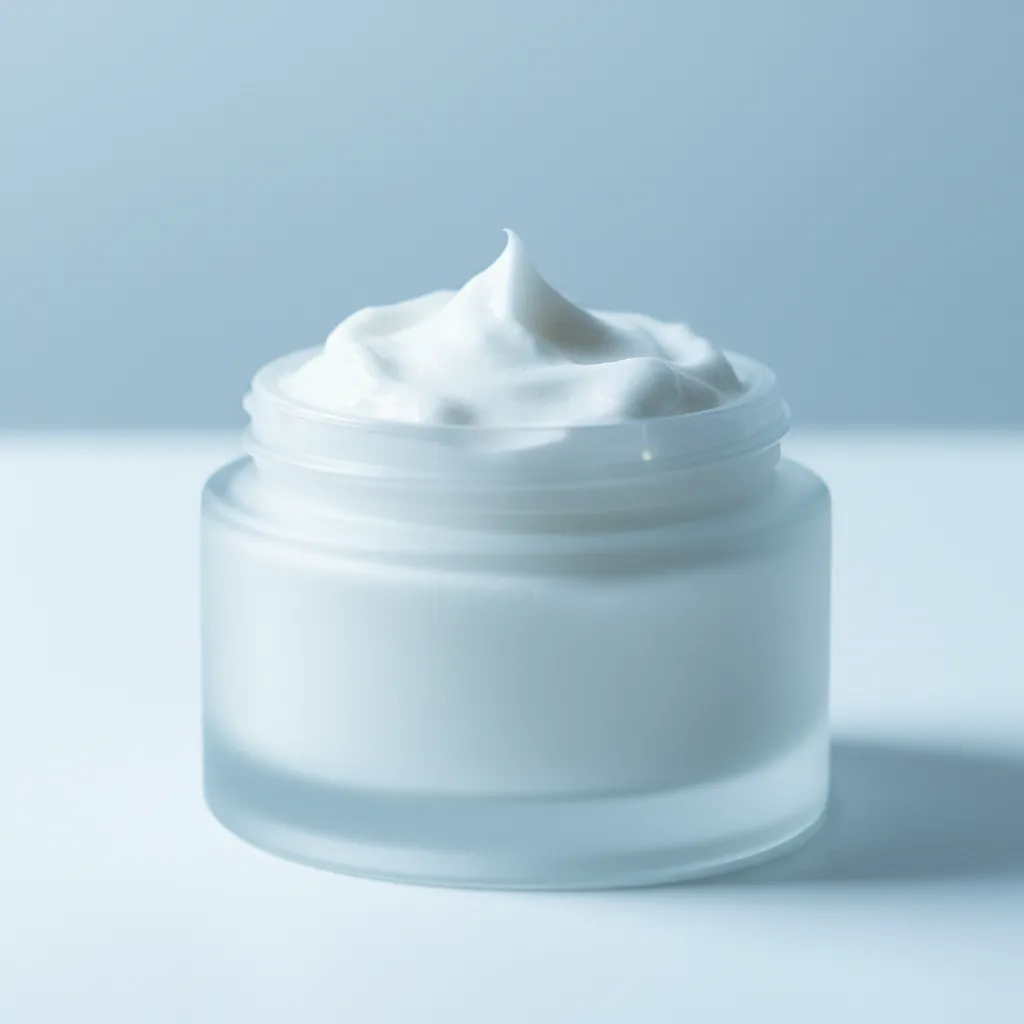
Ceramide Barrier Repair Moisturiser
What to look for — not a specific product$18–$40 typical range
Shop Now →
Ceramide + Hyaluronic Acid Serum
What to look for — not a specific product$20–$45 typical range
Shop Now →Ceramide + Niacinamide Barrier Cream
What to look for — not a specific product$25–$50 typical range
Shop Now →Prices last checked on September 28, 2026 and rounded to the dollar. Amazon prices change often; the price shown at checkout is the one that applies.
Why Your Barrier Depletes
Ceramide levels in the stratum corneum decline through several mechanisms:
Age: Ceramide synthesis in keratinocytes slows significantly with age. Studies measuring ceramide content in skin biopsies show a roughly 30% reduction in total ceramide levels between age 30 and 80, directly correlated with the increased skin dryness, sensitivity, and TEWL observed in older skin.
Over-exfoliation: Physical scrubs and chemical exfoliants (AHAs, BHAs), when used too frequently or at too high a concentration, strip ceramides along with dead skin cells. This is the primary driver of the compromised-barrier state known as 'over-exfoliated skin' — characterised by redness, sensitivity, stinging from products that formerly caused no reaction, and paradoxically worsening texture.
Harsh cleansers: Surfactant-based cleansers, particularly those with sulphates (SLS, SLES), solubilise and remove ceramides along with sebum and surface debris. People who over-cleanse or use high-SLS products experience accelerated ceramide depletion.
Atopic dermatitis (eczema): Genetic variants in the filaggrin gene — carried by approximately 10% of the population — impair the production of natural moisturising factors that normally support ceramide retention. People with atopic dermatitis show dramatically reduced ceramide levels in affected skin.
Environmental factors: Cold temperatures, low humidity, wind exposure, and UV radiation all reduce ceramide levels or impair ceramide synthesis — explaining why skin barrier issues worsen in winter and with cumulative sun exposure.
The Clinical Evidence
Topical ceramide formulations have strong clinical evidence across multiple skin conditions:
Barrier Repair in Atopic Dermatitis: Multiple randomised controlled trials demonstrate that ceramide-dominant barrier repair creams significantly reduce TEWL, decrease eczema severity scores (EASI, SCORAD), and reduce flare frequency in atopic dermatitis patients. A 2016 meta-analysis in the Journal of Allergy and Clinical Immunology found ceramide-containing moisturisers were more effective than conventional emollients for TEWL reduction in eczema-prone skin.
General Barrier Support: A double-blind study in Dermatology and Therapy compared a ceramide-containing moisturiser (with ceramides NP, AP, and EOP plus cholesterol and fatty acids) to a conventional moisturiser in subjects with dry, barrier-compromised skin. After 6 weeks of twice-daily use, the ceramide group showed significantly greater reductions in TEWL, skin roughness, and self-reported sensitivity.
Preventive Application: Research shows that applying ceramide-containing moisturisers to high-risk infants (those with family history of atopic dermatitis) from birth significantly reduces the incidence of eczema development, supporting the hypothesis that barrier maintenance prevents sensitisation through the skin.
How to Use Ceramide Products
Format: Ceramides are most commonly delivered in moisturisers and creams rather than serums, because their lipid structure is best formulated in oil-in-water emulsions that can penetrate the stratum corneum's lipid-rich environment. Ceramide serums exist and can be effective, but moisturisers are the most established delivery format.
Frequency: Twice daily (morning and evening) for barrier repair; once daily for maintenance on healthy skin. Consistency is more important than concentration — ceramide replenishment is a gradual process that requires sustained delivery over weeks.
When barrier is compromised: If you're experiencing redness, stinging from previously tolerated products, or sudden dehydration, this may indicate barrier compromise. Temporarily discontinue all exfoliants, retinoids, and active ingredients and use ceramide moisturiser as the sole treatment product twice daily until barrier function is restored (typically 1–3 weeks). Then reintroduce actives gradually.
Post-procedure use: Ceramide creams are ideal for post-microneedling, post-peel, and post-laser recovery — the barrier is deliberately disrupted by these procedures and requires active lipid replenishment to heal efficiently.
Layering Guide
Layer position: Ceramide-rich products are typically moisturisers and should be applied as the penultimate or final step in a routine — after serums and before SPF (morning) or as the final step (evening). In the famous 'moisturiser sandwich' for retinol use, ceramide cream applied after retinol is the final sealing layer.
Best partners: Ceramides work synergistically with hyaluronic acid (which draws in water that ceramides then trap), niacinamide (which independently stimulates ceramide synthesis in keratinocytes), and peptides. For maximum barrier support, a routine of: gentle cleanser → HA serum → ceramide moisturiser is evidence-backed and appropriate for all skin types.
With actives: Ceramide moisturisers buffer the barrier disruption caused by retinol and AHAs. Apply actives first, allow partial absorption, then apply ceramide moisturiser on top. This does not significantly reduce active efficacy but substantially reduces irritation.
Avoiding incompatibilities: None. Ceramides are one of the most universally compatible skincare ingredients — they have no pH restrictions, no known negative interactions, and are suitable during pregnancy.
Author
Glowstice Editorial
The Glowstice editorial team consists of skincare researchers, cosmetic chemists, and science writers dedicated to translating peer-reviewed dermatology into practical guidance for curious consumers.