Affiliate disclosure: This article contains Amazon affiliate links. As an Amazon Associate, Glowstice earns from qualifying purchases — at no extra cost to you. Our editorial recommendations are independent of these partnerships. Learn more · How we evaluate products
Centella asiatica goes by many names — cica, tiger grass, gotu kola, Asiatic pennywort — and appears in almost every K-Beauty formula targeting sensitive, irritated, or post-procedure skin. Unlike many trend ingredients that enter the market ahead of their science, centella has a decades-long evidence base in wound care, burn treatment, and dermatological research predating the K-Beauty boom entirely. Today it is arguably the most scientifically credible calming ingredient in skincare. Here is a complete breakdown of what the plant contains, how its active compounds work, and what the clinical evidence actually supports.
What Is Centella Asiatica?
Centella asiatica (L.) Urban is a small, creeping herbaceous plant in the family Apiaceae, native to tropical and subtropical Asia — including Korea, China, India, and Southeast Asia. It has been used in Ayurvedic, Chinese, and traditional Korean medicine for centuries, primarily as a wound-healing, anti-inflammatory, and cognitive-enhancing herb.
In Korean, it is called '병풀' (byeongpul), and its traditional use in Korean herbal medicine for skin conditions is part of why K-Beauty brands began incorporating it into modern formulations. The name 'tiger grass' comes from the legend that tigers roll in the plant to heal their wounds — a folk story that, incidentally, does reflect the plant's genuine wound-healing properties.
The ingredient appears on cosmetic labels as: Centella Asiatica Extract (whole plant extract), Centella Asiatica Leaf Extract, or as its isolated active compounds — madecassoside, asiaticoside, asiatic acid, and madecassic acid (also called terminolic acid). These individual compounds are the most potent and well-studied components.
The Active Compounds: Triterpenes
Centella asiatica's therapeutic activity is driven primarily by a class of compounds called triterpene saponins — specifically four key molecules:
Madecassoside: The most pharmacologically active of the centella triterpenes. Madecassoside has demonstrated potent anti-inflammatory effects (via NF-κB pathway inhibition), strong antioxidant activity, and direct stimulation of collagen synthesis in fibroblasts. It is the compound most associated with centella's anti-aging and wound-healing benefits.
Asiaticoside: A glycosylated triterpene that is hydrolyzed in skin tissue into asiatic acid. Asiaticoside stimulates collagen synthesis, promotes the maturation of the collagen triple helix, and enhances tissue tensile strength in healing wounds. It is the primary compound responsible for centella's use in scar treatment.
Asiatic Acid: The free acid form of the active triterpene skeleton. Asiatic acid inhibits type I collagen synthesis suppression caused by TGF-β3 (the 'scar-forming' collagen pathway), while simultaneously upregulating the constructive TGF-β1 pathway — a distinction that explains why centella promotes healthy collagen remodeling rather than scar-forming fibrosis.
Madecassic Acid: Contributes to the overall anti-inflammatory and antioxidant profile, and demonstrates some antimicrobial activity relevant to acne-prone skin.
Whole plant extracts contain all four in varying ratios depending on the plant part used and extraction method. Products using isolated madecassoside or asiaticoside in specified concentrations are generally more potent than whole-extract formulations at equivalent percentages.
Related Reading
Editor's Product Picks
Affiliate links — we earn a small commission at no extra cost to you.
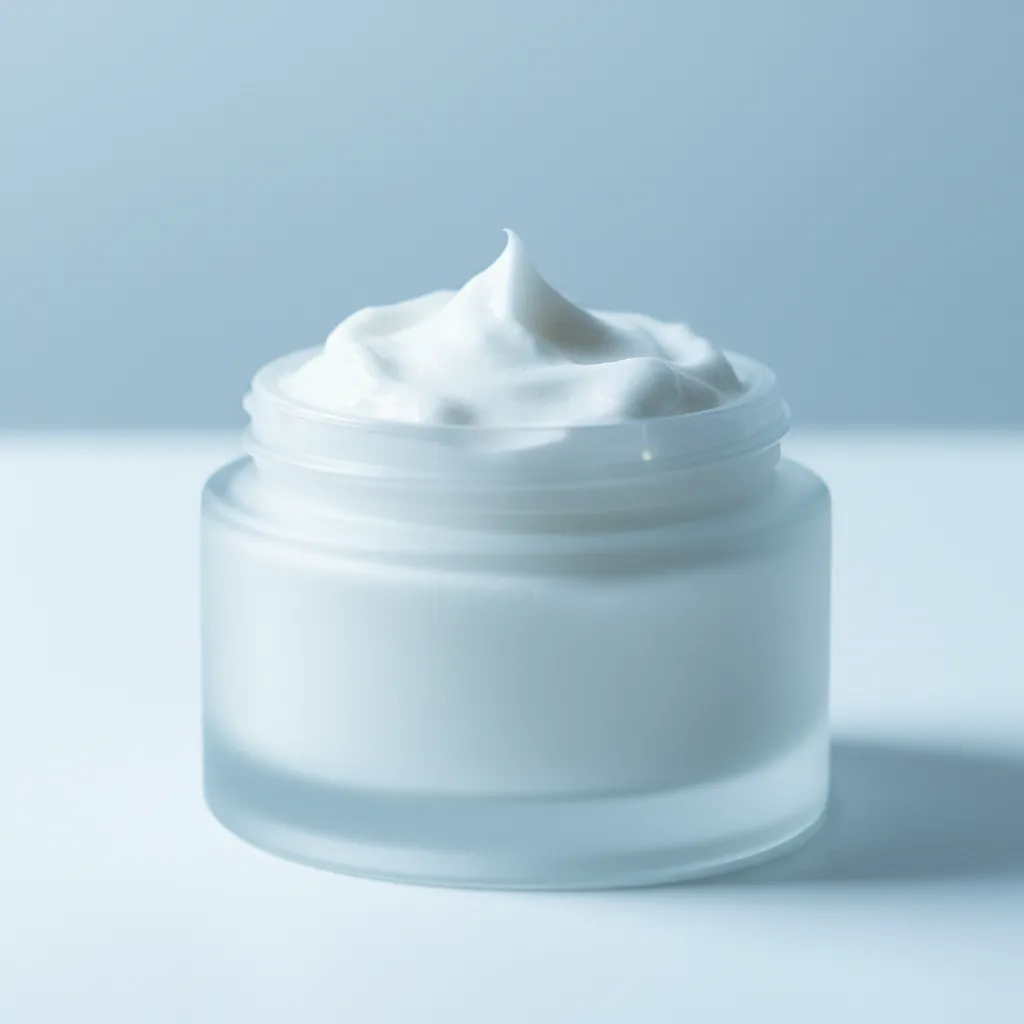
Dr. Jart+ Cicapair Tiger Grass Color Correcting Treatment
~$52
Shop Now →How It Works: Mechanisms of Action
Centella asiatica's active compounds operate through several distinct and well-characterized mechanisms:
Collagen Synthesis Stimulation: Both madecassoside and asiaticoside upregulate the activity of fibroblasts — the dermal cells that synthesize new collagen and elastin. Asiaticoside acts via the TGF-β1 pathway to increase type I and type III collagen production. This is why centella appears in both anti-aging formulas and post-procedure recovery products.
NF-κB Inhibition (Anti-Inflammatory): Madecassoside specifically inhibits the nuclear factor kappa B (NF-κB) transcription pathway — a master regulator of the inflammatory response. By suppressing NF-κB activation, madecassoside reduces the production of pro-inflammatory cytokines including IL-1β, IL-6, TNF-α, and COX-2. This is one of the most well-characterized anti-inflammatory mechanisms in skincare and explains centella's effectiveness in redness-prone and reactive skin conditions.
Antioxidant Defense: Centella triterpenes, particularly madecassoside, demonstrate significant free radical scavenging activity and upregulate endogenous antioxidant enzymes including superoxide dismutase and catalase — protecting skin cells from UV-induced and environmental oxidative stress.
Barrier Function Enhancement: Studies show centella asiatica extract increases the expression of key tight junction proteins (claudin-1, occludin) in keratinocytes, strengthening the physical barrier between skin cells and improving overall epidermal integrity. This mechanism contributes to the reduced sensitivity and TEWL seen with regular centella use.
The Clinical Evidence
Centella asiatica has unusually strong clinical evidence for a cosmetic ingredient, partly because much of the research originates from wound care and burn treatment medicine rather than the cosmetics industry:
Wound Healing and Scar Management: Multiple controlled trials support centella preparations (particularly TECA — titrated extract of centella asiatica — containing standardized concentrations of asiaticoside, madecassoside, and the two acids) for accelerating wound closure and improving scar quality. A 2013 review in the Indian Journal of Pharmaceutical Sciences summarized decades of wound-healing research, confirming centella asiatica's efficacy in both acute wound care and hypertrophic scar prevention.
Atopic Dermatitis and Sensitive Skin: A 2012 randomized, double-blind study published in the Journal of Dermatological Treatment demonstrated that a centella asiatica-containing cream significantly reduced TEWL, erythema, and itch scores in patients with mild-to-moderate atopic dermatitis over 6 weeks versus vehicle. Barrier markers including ceramide levels also improved in the centella group.
Anti-Aging: A 2015 Korean study demonstrated that madecassoside at 0.1% significantly increased type I procollagen synthesis in skin explants and reduced MMP-1 (a key collagenase enzyme) expression following UV irradiation. In vivo measurements showed improved elasticity and reduced fine line depth after 12 weeks of twice-daily application.
Rosacea: A small but well-designed study found that centella asiatica extract, applied twice daily for 8 weeks, significantly reduced transient erythema scores and improved skin sensitivity in rosacea-prone subjects — attributed to its NF-κB inhibitory anti-inflammatory mechanism.
Key Skin Benefits
Based on its mechanisms and clinical evidence, centella asiatica delivers five well-supported benefits:
1. Calming Inflammation and Redness: Via NF-κB inhibition, centella directly reduces the inflammatory signaling that produces chronic redness, reactive flushing, and sensitivity flares. It is one of the strongest topical anti-inflammatory actives available without a prescription, and uniquely well-tolerated even by the most reactive skin types.
2. Barrier Repair and Strengthening: Centella strengthens tight junction proteins in the epidermis and supports ceramide-mediated barrier function. Regular use measurably reduces TEWL and builds long-term resilience in compromised skin.
3. Collagen Stimulation and Anti-Aging: Through TGF-β1 pathway activation in fibroblasts, centella supports new collagen synthesis while simultaneously protecting existing collagen from UV-induced MMP degradation — a dual anti-aging action that makes it valuable in both preventive and corrective routines.
4. Wound Healing and Post-Procedure Recovery: Centella's documented wound-healing activity makes it the ingredient of choice for post-microneedling, post-peel, and post-laser recovery. Its asiaticoside content promotes organized collagen matrix formation and reduces the risk of post-procedure scar formation.
5. Acne Scar and Post-Inflammatory Support: By modulating the balance between constructive and scar-forming collagen pathways, centella helps resolve post-acne atrophic scars more effectively than simple anti-inflammatory treatment alone.
How To Use Centella Asiatica
Centella asiatica is one of the most versatile and universally well-tolerated actives in skincare:
Application: Centella products range from essences and toners to concentrated serums and occlusive creams. Serums and essences deliver the active compounds most efficiently. Centella creams (particularly overnight formulas) provide a barrier-repairing occlusive layer on top of the bioactive benefit.
Step order: After toning and water-based serums, before moisturizer and SPF. Centella layers seamlessly with most other ingredients. Its anti-inflammatory effect can actually buffer the irritation potential of retinoids and AHAs/BHAs when applied in the same routine.
Morning and evening: Centella has no photosensitizing properties and is suitable morning and evening. Its barrier-repairing effect is particularly valuable at night when the skin's repair processes are most active.
Compatibility: Centella pairs exceptionally well with niacinamide (synergistic barrier and anti-inflammatory), snail mucin (complementary wound healing and hydration), hyaluronic acid, ceramide moisturizers, and as a calming buffer alongside retinoids. It is not known to conflict with any standard skincare ingredient.
Post-procedure use: Apply centella serum or cream within 24 hours of microneedling, chemical peel, or laser treatment to accelerate healing and reduce post-inflammatory hyperpigmentation risk. Use twice daily throughout the recovery period.
Author
Glowstice Editorial
The Glowstice editorial team consists of skincare researchers, cosmetic chemists, and science writers dedicated to translating peer-reviewed dermatology into practical guidance for curious consumers.