Affiliate disclosure: This article contains Amazon affiliate links. As an Amazon Associate, Glowstice earns from qualifying purchases — at no extra cost to you. Our editorial recommendations are independent of these partnerships. Learn more · How we evaluate products
Red light therapy — also called low-level laser therapy (LLLT) or photobiomodulation (PBM) — began as a wound-care and sports medicine tool before being adopted by dermatology clinics for skin rejuvenation. The past five years have brought a wave of consumer-grade LED masks and panels into the market, ranging from $30 novelties to $500 medical-grade devices. Search interest has grown nearly 300% since 2022. But the consumer landscape is saturated with overclaimed, underperforming devices marketed with real science lifted from clinical studies that used equipment nothing like what they're selling. This guide separates the legitimate science from the noise — and tells you exactly what to look for when you're spending real money.
What Is Red Light Therapy?
Red light therapy (RLT) uses specific wavelengths of visible red and near-infrared (NIR) light — typically in the range of 620–850 nanometers (nm) — to stimulate biological processes in skin cells. Unlike UV light (which damages DNA) or high-energy visible light (which can cause oxidative stress), red and near-infrared wavelengths in this range are bioactive: they interact with specific chromophores inside mitochondria to trigger cellular responses without causing thermal damage or photochemical DNA injury.
In clinical settings, RLT has been used for decades in wound care, photodynamic therapy adjunct treatments, and musculoskeletal recovery. Its entry into cosmetic dermatology began in the 1990s when NASA researchers studying plant growth under red LED lights noticed accelerated tissue healing in laboratory workers, triggering a wave of dermatological research.
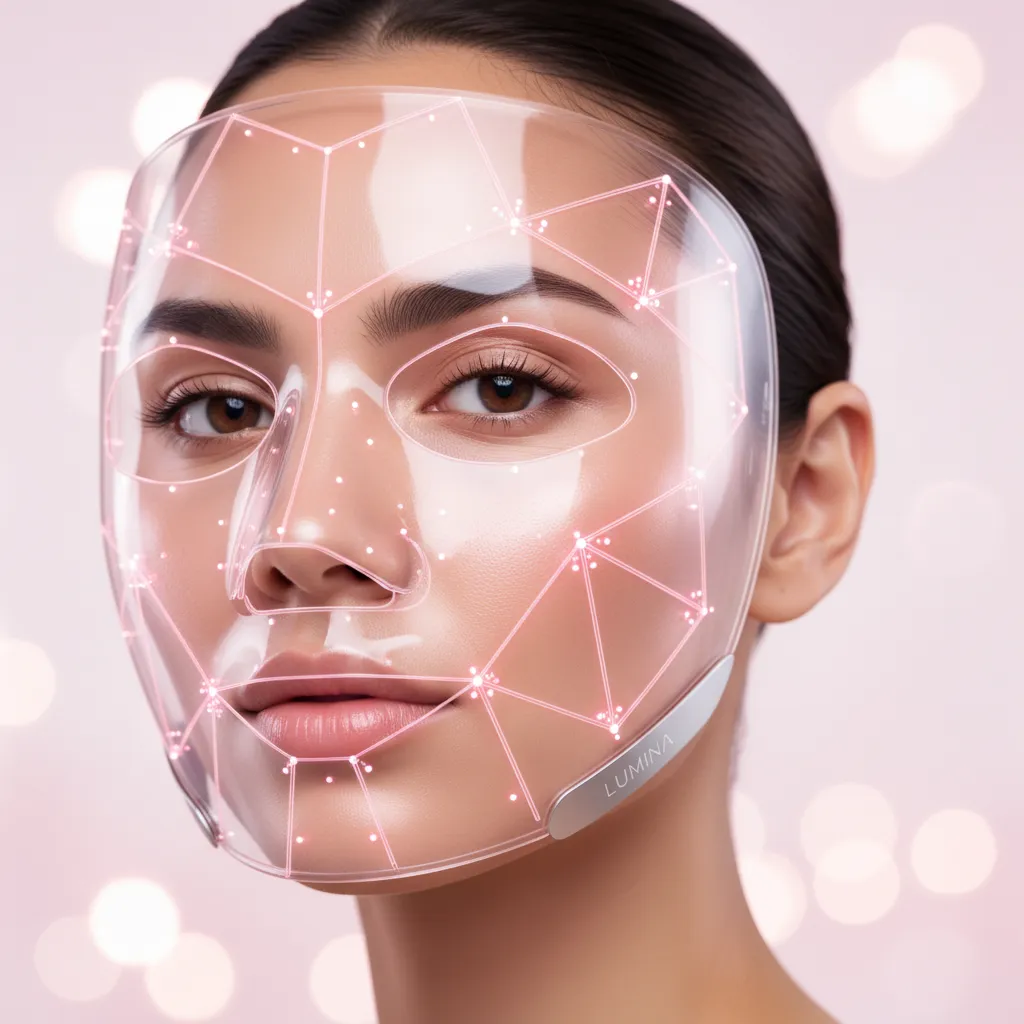
Today, RLT devices for home use range from panel-style full-face devices to flexible LED masks to targeted handheld wands. The key variable — and the one most poorly communicated by manufacturers — is irradiance: the actual energy delivered to skin tissue per unit of time (measured in mW/cm²). A device can contain hundreds of LED bulbs and still deliver insufficient energy to the skin if the bulbs are low-power or the device is held too far from the skin surface.
Photobiomodulation: The Biology
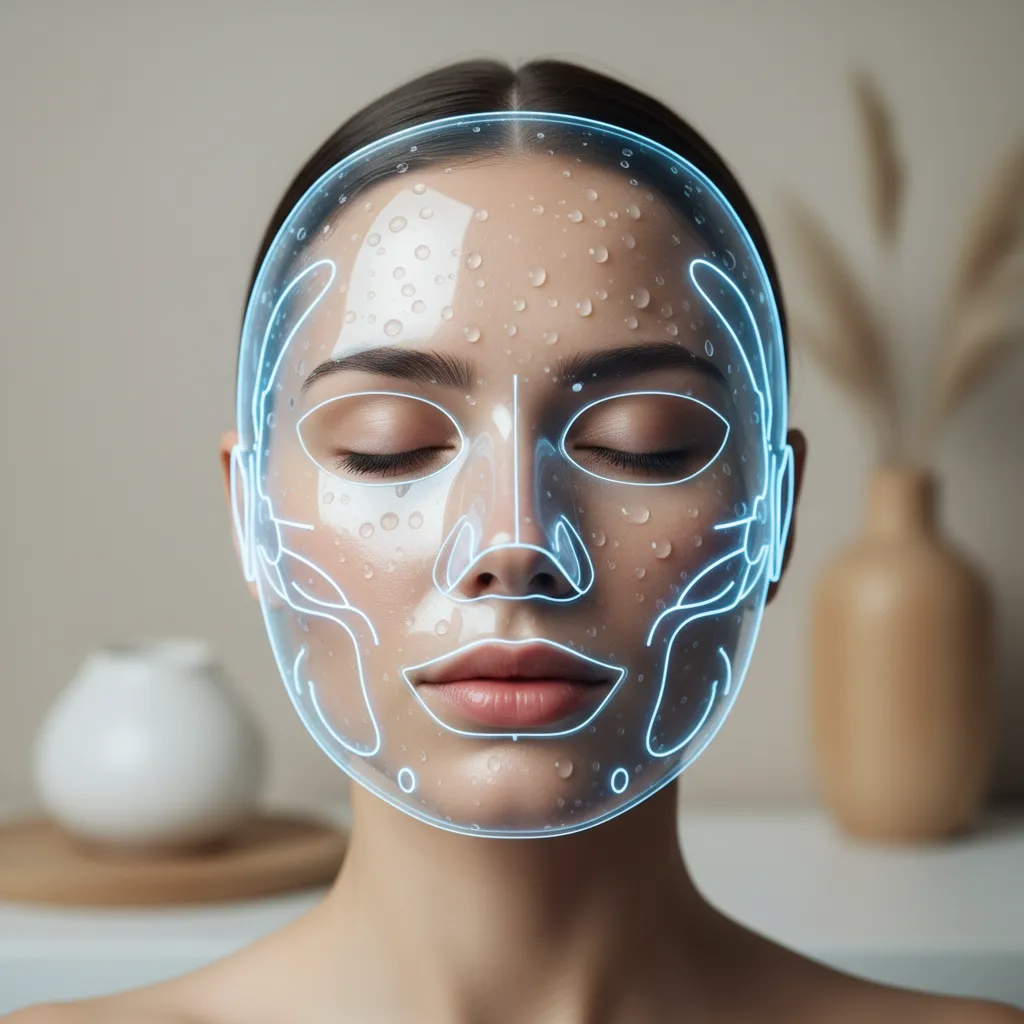
The primary mechanism behind RLT's biological effects is photobiomodulation (PBM) — the absorption of specific light wavelengths by cellular photoreceptors, triggering downstream biochemical cascades.
The leading proposed mechanism centers on cytochrome c oxidase (CCO), a key enzyme in the mitochondrial electron transport chain that serves as the terminal electron acceptor in cellular respiration. CCO contains chromophores — light-absorbing compounds — that respond to specific wavelengths in the red and near-infrared spectrum (particularly around 660nm and 830nm). When CCO absorbs these wavelengths, it accelerates the production of ATP (adenosine triphosphate) — the cell's primary energy currency — and reduces oxidative stress by modulating reactive oxygen species (ROS) production.
The downstream effects of this mitochondrial activation in skin cells include: increased fibroblast proliferation and activity (more collagen and elastin synthesis), upregulation of growth factors including TGF-β1 and basic FGF, enhanced wound healing and tissue repair signaling, modulation of the inflammatory cascade (anti-inflammatory effect at moderate doses), and improved local circulation via nitric oxide release from endothelial cells.
A critical nuance: PBM demonstrates a biphasic dose response — sometimes called the Arndt-Schulz law in photobiology. At appropriate energy doses, the response is stimulatory and beneficial. At very low doses, there's minimal effect. At excessive doses, the response paradoxically becomes inhibitory. This is why irradiance (power density) and session duration matter enormously — and why 'more LEDs = better' marketing is misleading.
Related Reading
Editor's Product Picks
Affiliate links — we earn a small commission at no extra cost to you.
Wavelengths and What They Do
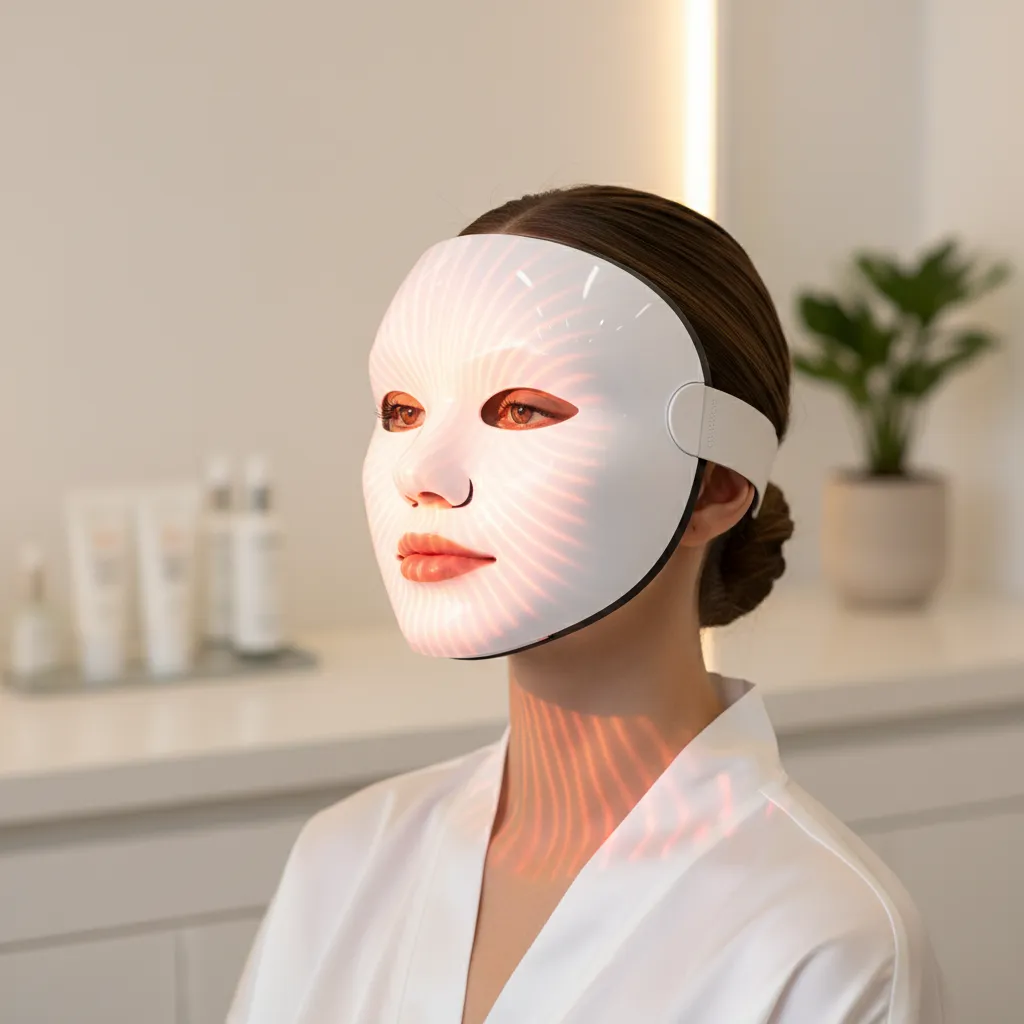
Not all red light is created equal. Different wavelengths penetrate skin to different depths and activate different biological processes:
620–660nm (Red Light): This visible red range penetrates to the epidermis and upper dermis — roughly 2–5mm into skin tissue. It's most effective for surface-level concerns: epidermal repair, collagen stimulation in the upper dermis, acne reduction (via its anti-inflammatory and sebum-modulating effects), and surface brightening. The 630–660nm band is the most studied range in dermatological research.
810–850nm (Near-Infrared / NIR): Near-infrared light is invisible to the naked eye and penetrates significantly deeper — reaching deeper dermal layers, subcutaneous tissue, and even underlying muscle. NIR wavelengths are more effective for deeper collagen remodeling, anti-inflammatory effects in deeper tissue, improved local circulation, and wound healing at depth. Many high-quality clinical devices combine red and NIR for synergistic effects.
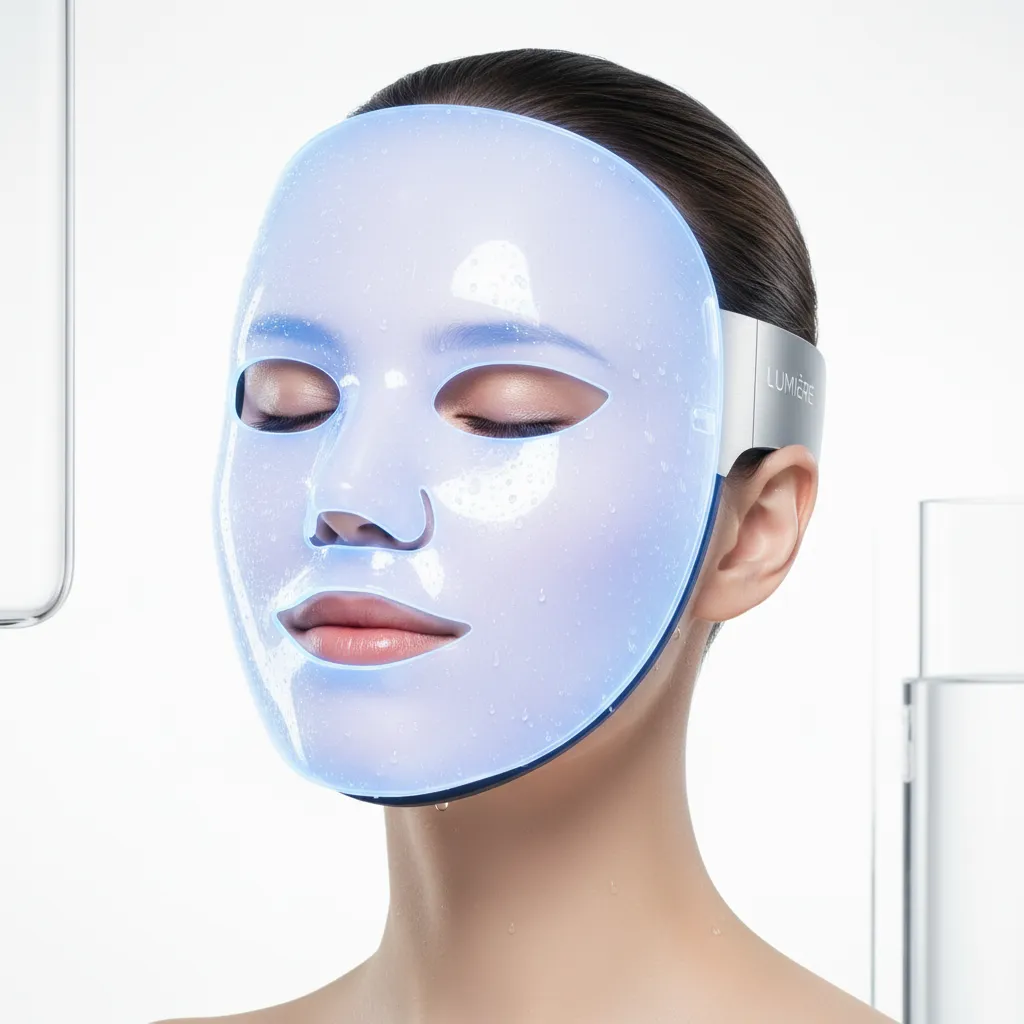
415–425nm (Blue Light): Though not 'red light therapy,' many combination LED devices include blue light. Blue light penetrates only to the epidermis and has a specific antimicrobial effect on Cutibacterium acnes via porphyrin photosensitization — making it effective for active inflammatory acne. Blue LED panels are widely used in dermatology clinics for this purpose.
Multi-wavelength devices that combine 630–660nm red and 830nm NIR deliver the broadest range of clinical benefits and are what most research-grade clinical devices use.
The Clinical Evidence
The photobiomodulation literature is substantial — but it spans wildly different device types, treatment parameters, and outcome measures. Here's what the strongest studies actually show:
Collagen and Anti-Aging: A landmark randomized controlled trial by Wunsch & Matuschka (2014, Photomedicine and Laser Surgery) demonstrated that 12 weeks of twice-weekly 633nm + 830nm LED treatment produced statistically significant improvements in periorbital wrinkle depth (profilometry), skin roughness, collagen density (ultrasound), and skin elasticity versus sham treatment. Objective collagen density measurement showed meaningful increases in the active treatment group.
Acne: Multiple controlled studies support red and blue LED combination therapy for inflammatory acne. A 2009 meta-analysis in the Journal of Cosmetic Dermatology found consistent, statistically significant reductions in inflammatory lesion counts with LED treatment versus control across multiple studies. A 2013 study found that twice-weekly 415nm + 633nm LED treatment reduced inflammatory lesions by 76% at 12 weeks.
Wound Healing and Post-Procedure Recovery: Numerous controlled trials in both medical and cosmetic dermatology confirm that red and NIR LED treatment accelerates post-procedure healing (post-laser resurfacing, post-microneedling) and reduces downtime. This application has the strongest clinical consensus.
Hyperpigmentation and Brightening: Evidence in this area is more limited and heterogeneous. Some studies show improvement in melasma and PIH, but results are inconsistent. RLT is not a first-line hyperpigmentation treatment.
Critical limitation: The majority of positive clinical studies use professional-grade devices with characterized irradiance levels (typically 30–150 mW/cm²) and controlled treatment parameters. Consumer devices frequently do not publish their irradiance specifications, making direct comparison to clinical studies difficult.
What It Can (and Can't) Do For Your Skin
Setting realistic expectations is the most important thing this guide can do for you. Here's an evidence-based breakdown:
What RLT can genuinely do with consistent use: Stimulate fibroblast activity and support new collagen formation (clinically demonstrated). Reduce inflammatory acne lesion counts when combined with blue light (strong evidence). Accelerate post-procedure skin recovery after microneedling or chemical peels (strong evidence). Reduce fine line appearance and improve skin texture over 8–12 weeks of regular use (moderate-strong evidence with professional devices). Reduce skin inflammation and redness, including in rosacea-prone skin (moderate evidence).
What RLT cannot do: Replace retinoids or professional treatments as a primary anti-aging intervention — effects are meaningful but less dramatic. Remove established hyperpigmentation reliably. Produce significant results from a single or occasional session — it is a cumulative, protocol-dependent treatment. Deliver clinical-level results from an underpowered device that doesn't hit therapeutic irradiance thresholds.
The honest assessment: RLT at home with a quality, properly powered device is a legitimate, science-supported addition to an anti-aging or acne routine. It is not a miracle treatment and it is not a replacement for sunscreen, retinoids, or professional dermatology. Its strongest applications are collagen support, acne management, and accelerating recovery from other procedures.
How to Choose a Device: What Actually Matters
The consumer LED market is crowded with devices ranging from clinically sound to functionally useless. Here's what to evaluate:
Irradiance (Power Density): The most important spec — and the one most brands obscure. Look for devices that publish their irradiance in mW/cm² at the skin surface. Clinical studies typically use 30–150 mW/cm². Consumer devices that don't publish this number or claim values far above 150 mW/cm² without independent verification should be viewed skeptically.
Wavelength Accuracy: Quality devices specify exact LED wavelengths (e.g., 630nm, 660nm, 830nm) rather than vague descriptors like 'red' and 'near-infrared.' Wavelength accuracy matters because the therapeutic windows are narrow — a device claiming 'red light' could be emitting anywhere in a 200nm range.
FDA Clearance: In the US, look for FDA 510(k) clearance for the specific indications being marketed. Clearance requires evidence of safety and efficacy — it's not a guarantee of clinical-grade performance but is a meaningful quality filter.
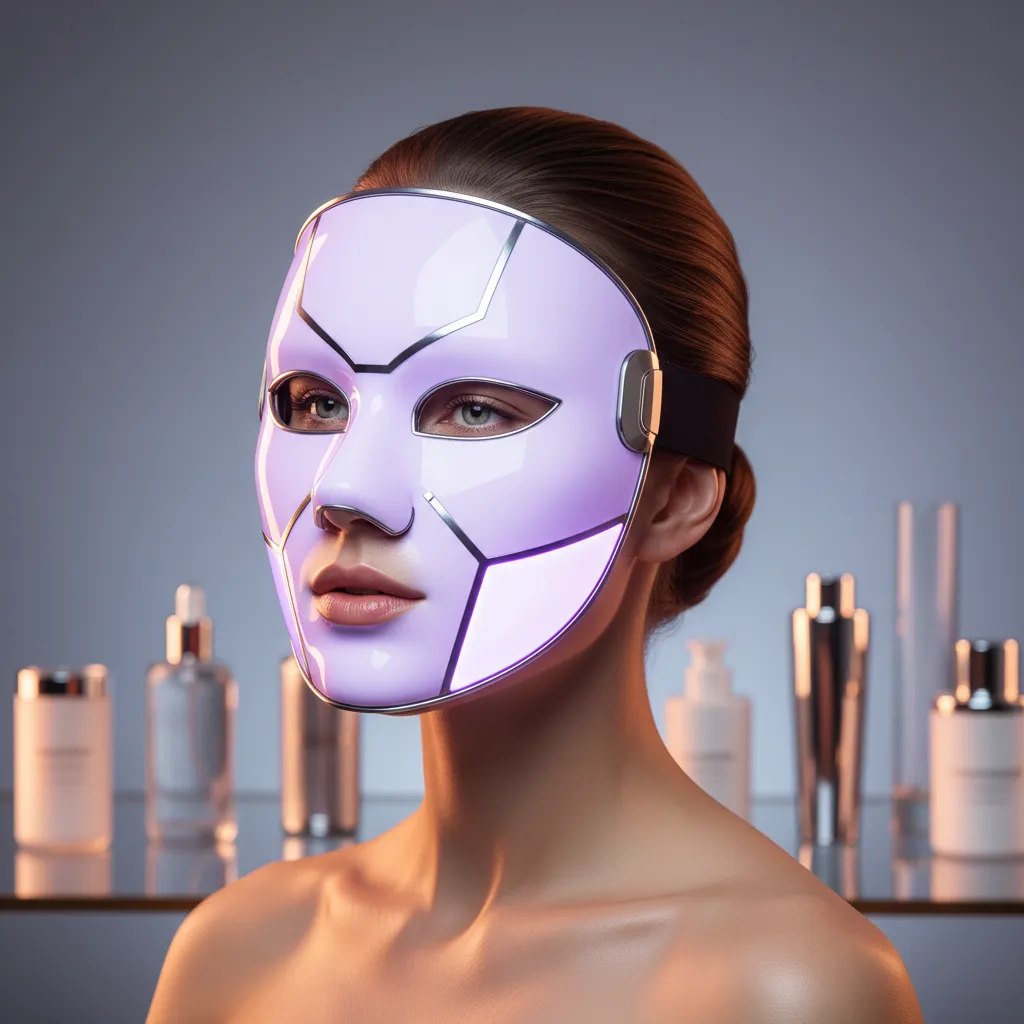
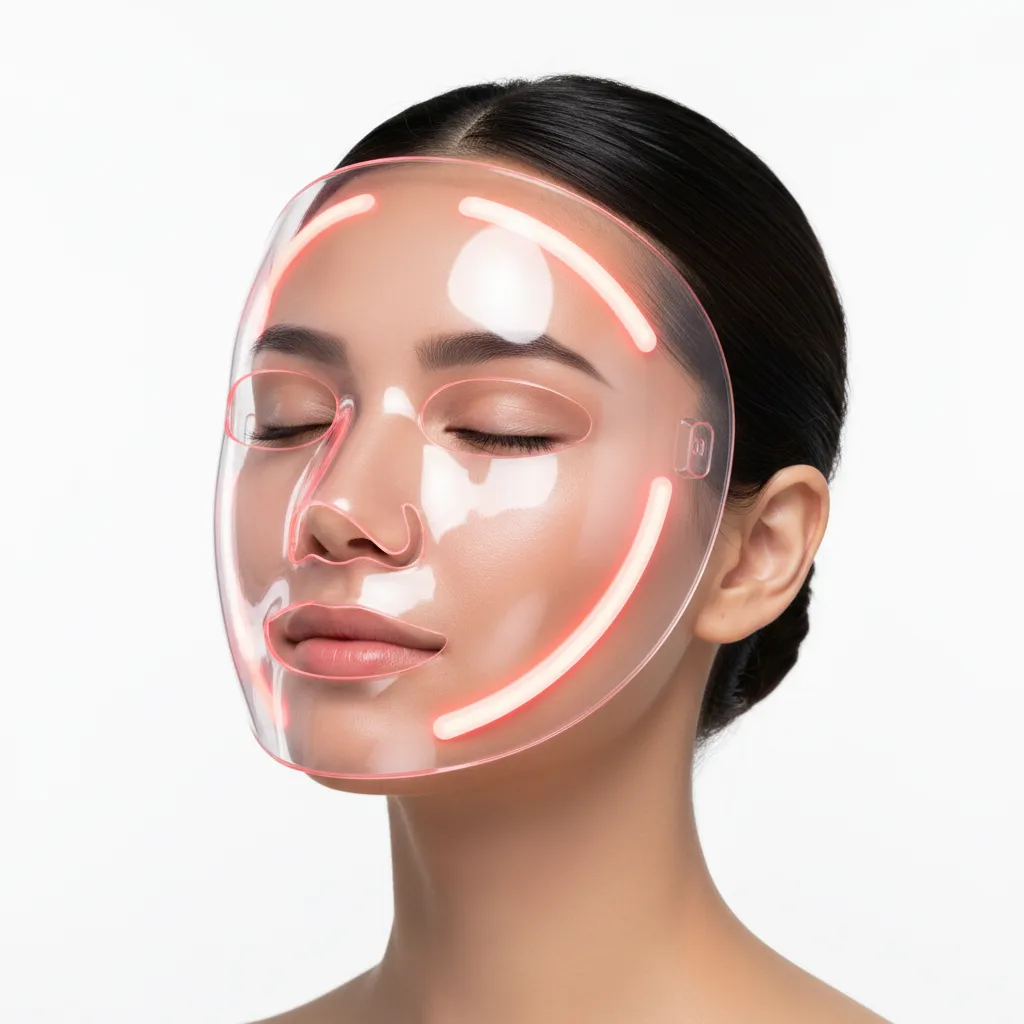
Device format — mask vs. panel: Flexible LED masks deliver consistent skin-to-light distance and cover the full face. Flat panel devices require careful positioning to maintain the correct distance. Either format can be effective if irradiance specs are sound.
Treatment time implications: A higher-irradiance device can deliver the same therapeutic dose in a shorter session. A lower-irradiance device may require 20+ minute sessions to approach effective dosing — or may never reach it regardless of session length.
How To Use Red Light Therapy
Assuming you have a quality, adequately powered device, here is how to use it effectively:
Frequency: 3–5 sessions per week for the first 4–8 weeks (the 'loading phase'), then 2–3 sessions per week for maintenance. Consistency over weeks to months is what produces results — occasional use will not deliver meaningful cumulative benefit.
Session duration: Follow the manufacturer's guidance for your specific device. For most consumer devices with irradiance in the 30–80 mW/cm² range, 10–20 minutes per session is typical. Do not assume that longer sessions are better — remember the biphasic dose response.
Skin preparation: Clean, bare skin. No SPF, no makeup, no heavy topical products that might block or scatter light. Some practitioners recommend applying a thin layer of a peptide or vitamin C serum immediately after treatment, as RLT may enhance transdermal absorption for a brief post-treatment window.
Eye protection: Always use the goggles or eye cups provided with your device. NIR wavelengths are invisible and can cause cumulative retinal damage with repeated unprotected exposure — this is not optional.
Expectation timeline: Skin texture improvements in 4–8 weeks of consistent use. Fine line reduction visible at 8–12 weeks. Acne improvement within 4–6 weeks when combined with blue light. Post-procedure recovery acceleration is immediate (use the day of or day after microneedling/peels).
Compatibility with your routine: RLT is compatible with all topical skincare and can be used in conjunction with any ingredient. Use it before applying serums and moisturizer for maximum absorption window benefit.
Author
Glowstice Editorial
The Glowstice editorial team consists of skincare researchers, cosmetic chemists, and science writers dedicated to translating peer-reviewed dermatology into practical guidance for curious consumers.