Affiliate disclosure: This article contains Amazon affiliate links. As an Amazon Associate, Glowstice earns from qualifying purchases — at no extra cost to you. Our editorial recommendations are independent of these partnerships. Learn more · How we evaluate products
Quick Picks
Affiliate links: we may earn a commission at no extra cost to you.
| Product | Price | Link |
|---|---|---|
Transparent Zinc Oxide + Niacinamide EltaMD UV Clear Broad-Spectrum SPF 46 | ~$45 | Shop Now → |
Ceramides 1 CeraVe Moisturizing Cream | ~$18 | Shop Now → |
Ceramides + Hyaluronic Acid + Glycerin CeraVe Hydrating Cleanser | ~$14 | Shop Now → |
Prices last checked on September 27, 2026 and rounded to the dollar. Amazon prices change often; the price shown at checkout is the one that applies.
Skincare marketing has a vested interest in convincing you that more products mean better skin. The dermatological evidence tells a different story. The four products with the strongest combined evidence for skin health — cleanser, antioxidant, moisturizer, and broad-spectrum SPF — address the vast majority of what matters for long-term skin quality. Everything else is either addressing a specific additional concern, providing incremental benefit over these four, or providing no benefit at all. This guide builds the four-product routine and explains why each selection was made.
The Case for a Minimal Routine
Dermatologists consistently recommend simpler routines than beauty influencers for several evidence-based reasons:
Barrier disruption risk: Every product you apply to skin carries a risk of contributing to barrier disruption, sensitization, or ingredient incompatibility. Multiple active ingredients layered daily — particularly acids, retinoids, and vitamin C simultaneously — can chronically impair the barrier they are intended to improve. The skin's barrier has a finite tolerance for processing chemical signals.
Ingredient competition and incompatibility: Certain ingredient combinations actively reduce each other's efficacy or increase irritation risk. Layering multiple acidic actives or using incompatible pH-sensitive ingredients together produces worse outcomes than using each ingredient strategically in isolation.
Consistency over complexity: The most powerful predictor of skincare outcome is consistency — using the right products every day. A four-product routine that takes three minutes requires no decision fatigue or schedule management. Twelve-step routines have much higher abandonment rates, meaning the theoretically better protocol often produces worse real-world outcomes.
Diminishing returns: Marginal benefits from products six through twelve of a routine are vanishingly small. The cleanser, antioxidant, moisturizer, and SPF combination captures approximately 80% of available topical skincare benefit. Products beyond these four are targeting increasingly specific concerns with increasingly marginal incremental effects.
Product 1: Gentle Cleanser
The cleanser is the most under-appreciated product in a skincare routine — and the most commonly chosen incorrectly.
What a cleanser must do: Remove surface debris (sebum, dead skin cells, SPF residue, pollution) without disrupting the skin's acid mantle (pH 4.5–5.5) or stripping the lipid barrier. That's the complete job description.
What a cleanser must not do: Produce the 'squeaky clean' sensation that marketing has long promoted as evidence of effectiveness. Squeaky clean indicates over-stripping of the acid mantle — a signal that the cleanser has done too much, not the right amount. Over-cleansing is one of the most common causes of barrier impairment and reactive skin.
Formulation criteria: Look for a pH-balanced formula (pH 5–6, ideally listed on the label or confirmed by independent testing). Sulfate-free or low-sulfate formulas are gentler while remaining effective. Avoid cleansers with high alcohol content, strong fragrance, or physical exfoliants for daily use.
Specific picks: CeraVe Hydrating Facial Cleanser (pH ~5.5, ceramide content, widely recommended by US dermatologists), La Roche-Posay Toleriane Hydrating Gentle Cleanser (pH ~5.5, thermal water, fragrance-free). For oily skin: CeraVe Foaming Facial Cleanser maintains acid mantle while providing more thorough lipid removal.
Related Reading
Editor's Product Picks
Affiliate links — we earn a small commission at no extra cost to you.
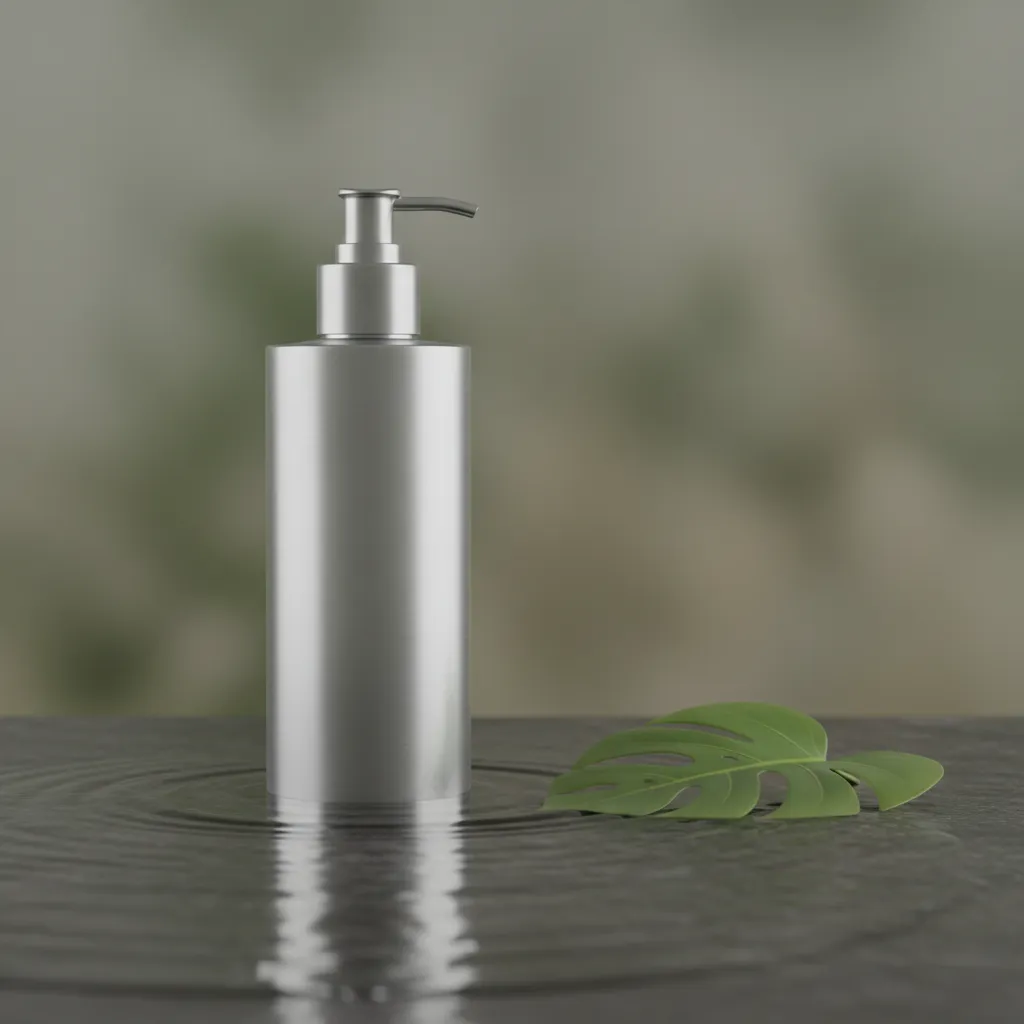
CeraVe Hydrating Cleanser
~$14
Sold by Amazon.comShop Now →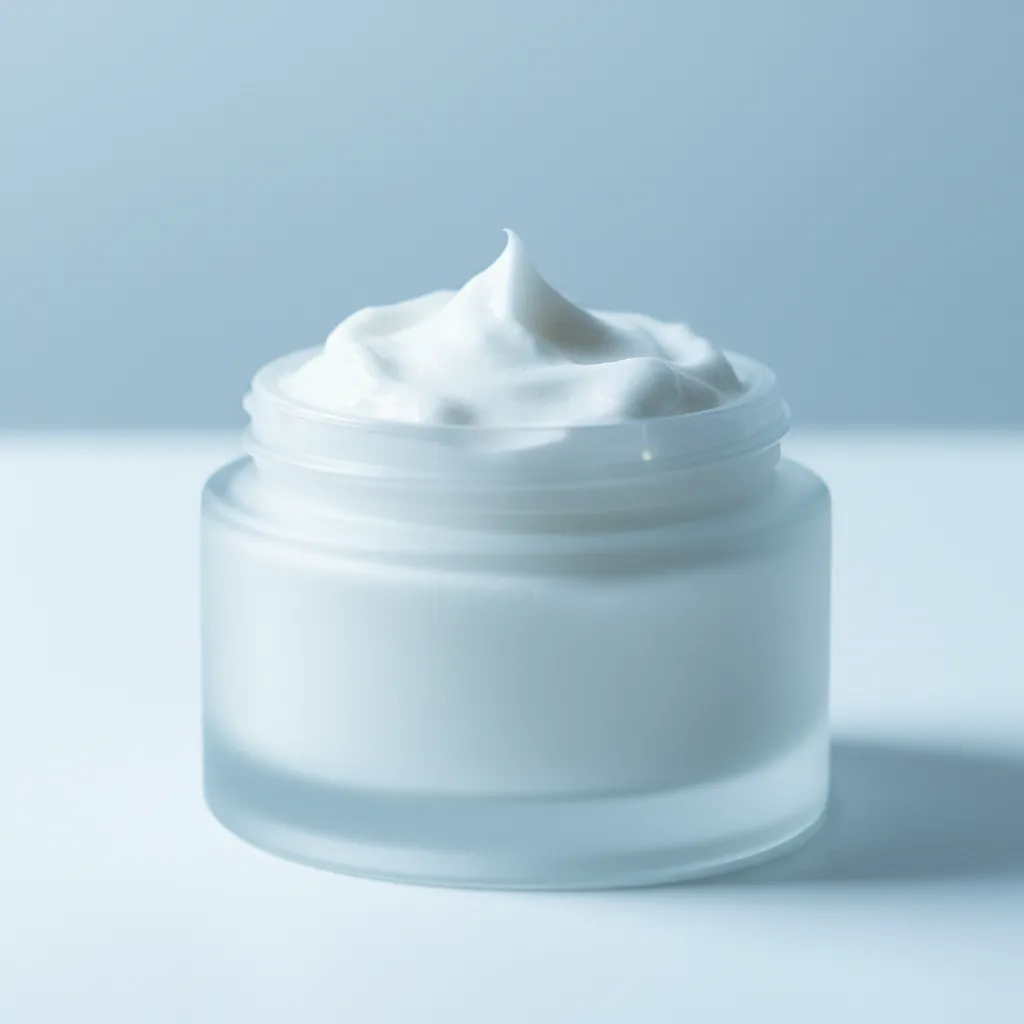
EltaMD UV Clear Broad-Spectrum SPF 46
~$45
Sold by Amazon.comShop Now →Prices last checked on September 27, 2026 and rounded to the dollar. Amazon prices change often; the price shown at checkout is the one that applies.
Product 2: Vitamin C Antioxidant Serum
A stable vitamin C serum is the most evidence-supported antioxidant skincare product available. Vitamin C (ascorbic acid and its derivatives) delivers three simultaneous benefits that make it the optimal single-serum choice:
Free radical quenching: UV exposure generates reactive oxygen species (ROS) that SPF doesn't intercept. Topical vitamin C in the epidermis and upper dermis quenches these free radicals, providing a complementary layer of UV damage mitigation when combined with SPF. Research by Pinnell et al. found that adding ferulic acid to 15% L-ascorbic acid plus 1% alpha-tocopherol roughly doubled the formulation's photoprotection, from about fourfold to about eightfold, measured against unprotected skin by erythema and sunburn-cell formation. That figure is not an SPF and is not a comparison with sunscreen — it describes an antioxidant serum worn under SPF, which is how it was tested and how it should be used.
Collagen synthesis stimulation: Vitamin C is an essential cofactor for prolyl hydroxylase and lysyl hydroxylase — the enzymes that hydroxylate proline and lysine residues in collagen, enabling proper triple helix formation. Inadequate skin vitamin C levels are directly associated with impaired collagen production and accelerated photoaging. Topical supplementation restores this capacity.
Hyperpigmentation inhibition: Vitamin C inhibits tyrosinase, competing with DOPA (dopaquinone) in the melanin synthesis pathway. This produces gradual brightening of sun spots, PIH, and overall skin tone evenness with consistent daily use.
Formulation guidance: L-ascorbic acid (LAA) is the most active form but degrades quickly — choose anhydrous formulas or products with low pH (pH 3.0–3.5) and ascorbic acid concentration of 10–20%. For sensitive skin, ascorbyl glucoside or tetrahexyldecyl ascorbate are more stable and less irritating alternatives with solid supporting evidence.
Product 3: Moisturizer with Ceramides
The moisturizer's primary job is barrier maintenance — sealing in the previous layers and reducing transepidermal water loss (TEWL). For most skin types in a minimal routine, a straightforward ceramide-based moisturizer is optimal.
Ceramides are the skin's own barrier lipids — constituting roughly 50% of the stratum corneum. Topical ceramides replenish the barrier from the outside in, improving moisture retention and reducing reactivity to environmental stressors. They have one of the best safety and tolerability profiles of any skincare ingredient and are appropriate for every skin type including acne-prone.
Humectant + emollient + occluant combination: An effective moisturizer contains all three functional classes. Humectants (glycerin, hyaluronic acid) draw water into the skin. Emollients (ceramides, fatty acids) fill gaps in the stratum corneum. Occlusives (petrolatum, dimethicone) reduce water evaporation. Products that cover all three bases provide complete moisturization without requiring layering.
For oily and acne-prone skin: A lighter gel-cream or fluid emulsion still provides necessary barrier support without clogging pores or contributing to congestion. The impulse to skip moisturizer in oily skin is counterproductive — dehydrated oily skin produces compensatory sebum, worsening the problem the skipped moisturizer was supposed to prevent.
Product 4: Broad-Spectrum SPF 50+
SPF is the most important product in any skincare routine, at any age, with any concern. This is not a qualified statement. The evidence is unambiguous: photoaging accounts for up to 90% of visible skin aging. No anti-aging serum, procedure, or intervention produces outcomes that approach the long-term benefit of consistent, adequate sun protection.
Broad-spectrum: SPF number refers to UVB protection (the burning rays). 'Broad-spectrum' indicates UVA coverage (the aging and cancer-initiating rays). Both are essential. PA++++ (the Japanese/Korean UVA rating system) indicates maximum UVA protection — preferable where available.
SPF 50+ rationale: SPF 30 filters approximately 97% of UVB. SPF 50 filters 98%. The 1% difference sounds trivial but represents a 50% reduction in UV transmission — meaningful over cumulative decades of daily use. Use SPF 50 if you can find a formula you'll actually wear consistently.
Application amount: Most people apply 25–50% of the amount needed to achieve the SPF rating on the label. The standard test dose is 2 mg/cm² — for a full face this is approximately ¼–½ teaspoon of product. Under-application dramatically reduces effective SPF. When in doubt, apply more.
Reapplication: SPF must be reapplied every 2 hours of UV exposure — chemical filters degrade with UV exposure. For indoor days with limited direct sun exposure, morning application without reapplication is generally sufficient.
The Complete 4-Product Routine
Morning (3–4 minutes): 1. Gentle cleanser (or water rinse if skin is not oily or soiled) 2. Vitamin C serum — apply to dry skin, allow 60 seconds absorption 3. Moisturizer — press gently into skin 4. SPF 50+ — apply generously as the final step, do not mix with moisturizer
Evening (2–3 minutes): 1. Gentle cleanser — removes SPF, sebum, and daily debris 2. Moisturizer — slightly richer formula if desired
That's it. Four products in the morning, two in the evening. Total time under 10 minutes daily.
Why no dedicated eye cream: The skin around the eye responds to the same actives as facial skin. A good vitamin C serum and moisturizer applied carefully around the orbital area provides equivalent benefit to most dedicated eye creams at a fraction of the cost. If under-eye darkness is a specific concern, a caffeine or retinol eye treatment can be added as a fifth product.
When (and How) to Add More
The four-product routine is the foundation. Here's when adding a fifth or sixth product is justified:
Add a retinoid if: You are in your late 20s or older and want to address fine lines, accelerate cell turnover, or treat hyperpigmentation. Retinoids have the strongest clinical evidence of any additional anti-aging active. Add to the PM routine only, starting 2–3 nights per week.
Add a targeted serum if: You have a specific persistent concern — active acne (add niacinamide or BHA), significant hyperpigmentation (add azelaic acid), severe dehydration (add hyaluronic acid serum). One targeted addition addressing your primary concern is the logical next step.
Add a chemical exfoliant if: Your skin has visible texture, congestion, or dullness that hasn't responded to the core four. A BHA (salicylic acid) or low-dose AHA used 2–3× per week addresses surface accumulation the cleanser doesn't fully resolve.
The rule for additions: Each product added should address a specific, identified concern that the existing routine isn't covering. If you cannot articulate exactly what the fifth product is doing that the existing four aren't, it probably doesn't belong.
Using These 4 Products Together
A few practical notes for making this routine work optimally:
Allow vitamin C to fully absorb before applying moisturizer: L-ascorbic acid works at low pH. Mixing it immediately with a higher-pH moisturizer can reduce efficacy. The 60-second wait is a small investment that makes a measurable difference in vitamin C performance.
Apply SPF last and generously: SPF is the outermost layer in the morning routine. Do not apply anything on top of SPF — including setting sprays or powders, which physically disrupt the UV filter film. If additional products are needed (like a tinted moisturizer), use an SPF-containing version.
Do not mix your moisturizer into your SPF: This is a common shortcut that reduces SPF efficacy. The UV filters in sunscreen are precisely formulated at specific concentrations — diluting them with a moisturizer reduces the filter concentration and disrupts the even film that delivers the rated SPF.
Clean hands for application: Applying skincare with clean hands eliminates a common route of bacterial contamination that can contribute to breakouts and product degradation.
Author
Glowstice Editorial
The Glowstice editorial team consists of skincare researchers, cosmetic chemists, and science writers dedicated to translating peer-reviewed dermatology into practical guidance for curious consumers.