Affiliate disclosure: This article contains Amazon affiliate links. As an Amazon Associate, Glowstice earns from qualifying purchases — at no extra cost to you. Our editorial recommendations are independent of these partnerships. Learn more · How we evaluate products
Quick Picks
Affiliate links: we may earn a commission at no extra cost to you.
| Product | Price | Link |
|---|---|---|
Fruit Stem Cells + Vitamins C Juice Beauty STEM CELLULAR Anti-Wrinkle Booster Serum | ~$80 | Shop Now → |
Flagship Juice Beauty STEM CELLULAR Anti-Wrinkle Moisturizer | ~$70 | Shop Now → |
Plant Stem Cells + Vitamin C Juice Beauty STEM CELLULAR Anti-Wrinkle Eye Treatment | ~$50 | Shop Now → |
Prices last checked on September 27, 2026 and rounded to the dollar. Amazon prices change often; the price shown at checkout is the one that applies.
"Plant stem cell" skincare is one of the most commonly misunderstood ingredient categories — plant cells cannot become human skin cells, and no cosmetic product claims otherwise once you read the actual mechanism. PhytoCellTec Malus Domestica, developed by Swiss company Mibelle Biochemistry and used in premium lines like Juice Beauty's STEM CELLULAR collection (about $50–$80 per product on Amazon), is a real, patented, widely licensed ingredient with a specific and more modest proposed mechanism than the 'stem cell' name implies.
The Rare Apple Behind the Ingredient
The ingredient is derived from the Uttwiler Spätlauber, a rare Swiss apple variety notable for an unusual trait: it resists shriveling and stays fresh in storage far longer than typical apple varieties — a real, documented horticultural characteristic that predates any cosmetic application. Mibelle Biochemistry's marketing narrative draws a direct line from this apple's own storage longevity to a hypothesis about protecting cellular longevity more generally, which is the origin of the 'stem cell' framing.
The extract itself is cultured from plant stem cells (undifferentiated cells capable of developing into any part of the plant) taken from this apple variety, grown in a controlled lab culture — a process Mibelle calls PhytoCellTec, launched commercially around 2008 and since licensed to numerous skincare brands worldwide.
What Plant Stem Cells Actually Do (and Don't)
This is the most important clarification in this article: plant stem cells cannot become, replace, or directly regenerate human skin cells. Plants and animals are entirely different kingdoms of life with incompatible cellular biology — a plant stem cell has no capacity to integrate into or transform into human tissue. Any product implying direct cellular replacement is overstating the mechanism.
The actual proposed mechanism is more modest: the metabolites and phytonutrients present in the cultured apple stem cell extract — not the plant cells themselves — are proposed to have antioxidant and protective effects when applied to human skin, theoretically helping support the skin's own existing stem cell populations (found in the basal layer of the epidermis and in hair follicles) against oxidative stress and UV damage. This is a signaling/antioxidant argument, not a cellular transplantation or replacement claim.
Related Reading
Editor's Product Picks
Affiliate links — we earn a small commission at no extra cost to you.
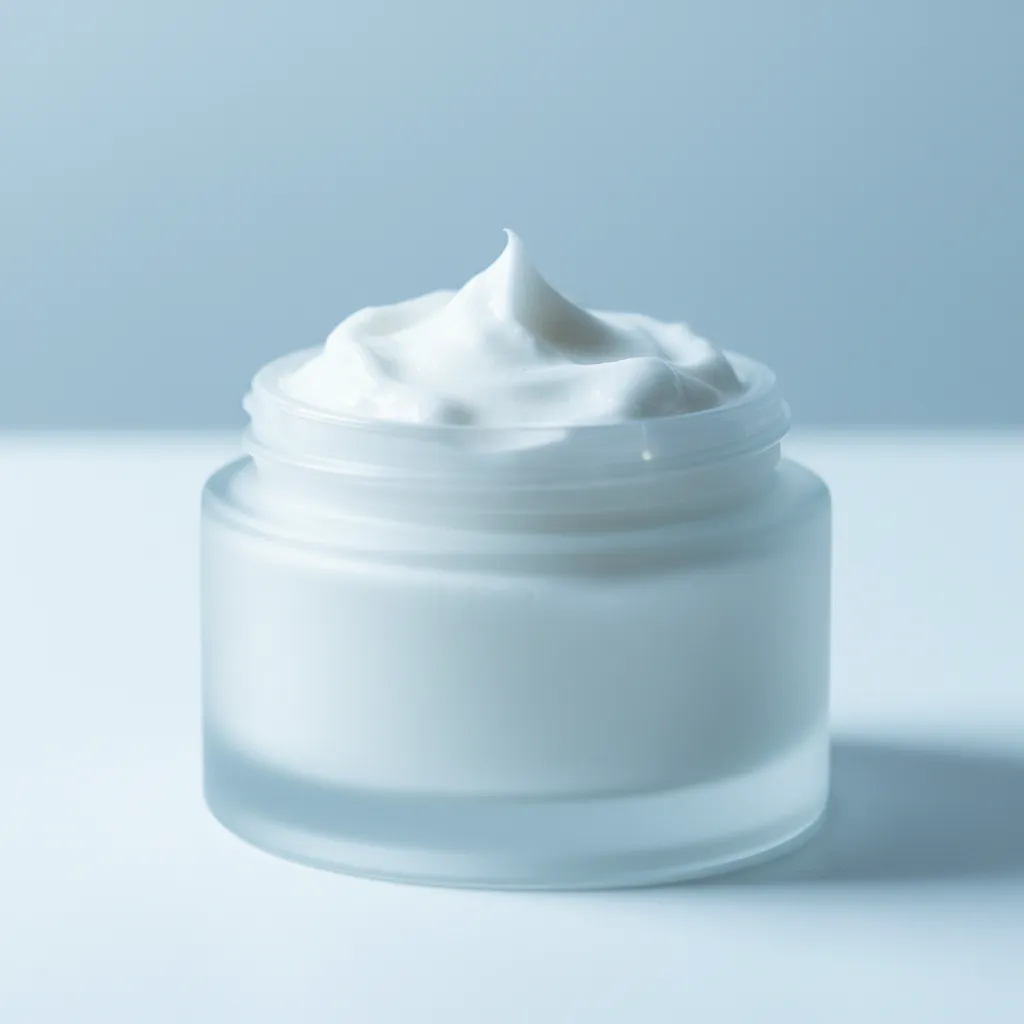
Juice Beauty STEM CELLULAR Anti-Wrinkle Moisturizer
~$70
Sold by Juice Beauty Store, a third-party sellerShop Now →
Juice Beauty STEM CELLULAR Anti-Wrinkle Booster Serum
~$80
Sold by Juice Beauty Store, a third-party sellerShop Now →
Juice Beauty STEM CELLULAR Anti-Wrinkle Eye Treatment
~$50
Sold by Juice Beauty Store, a third-party sellerShop Now →Prices last checked on September 27, 2026 and rounded to the dollar. Amazon prices change often; the price shown at checkout is the one that applies.
Mibelle Biochemistry's Research
Mibelle's own published research reports that PhytoCellTec Malus Domestica extract increased the viability and longevity of cultured human skin stem cells in vitro and reduced UV-induced damage to those cultured cells compared to untreated controls. This is genuine laboratory research, conducted and published by the ingredient's originating company, examining real biological endpoints (cell viability, UV damage markers) rather than pure marketing assertion.
As with most single-supplier proprietary ingredients in this guide, the honest caveat is that this research is company-conducted rather than independently replicated by outside academic groups, and in vitro cell-culture results don't automatically predict the same magnitude of effect in a finished cosmetic product applied to living human skin.
How This Differs From Human Growth Factor Serums
It's worth distinguishing this ingredient clearly from human fibroblast conditioned media (covered in our growth factor serum guide) — a different premium 'regenerative' skincare category that consumers sometimes conflate with plant stem cell extracts. Growth factor serums deliver actual proteins and signaling molecules secreted by cultured human cells. Plant stem cell extracts deliver plant-derived antioxidant metabolites theorized to support (not directly signal to) existing human skin cells. Both are legitimate, differently sourced categories — neither is a synonym for the other, despite both using 'cell' and 'regenerative' language in marketing.
The Evidence Gap
Independent, peer-reviewed, placebo-controlled human clinical trials specifically isolating PhytoCellTec Malus Domestica's effect in a finished cosmetic formula — separate from the ingredient's underlying cell-culture research — are limited in the public literature. Individual brands using the ingredient (including Juice Beauty) have conducted their own consumer studies reporting improvements in fine lines, firmness, and radiance, which follows the same brand-commissioned-testing pattern seen across most proprietary actives in this series.
Product Picks
Juice Beauty's STEM CELLULAR line is the most widely available US brand built specifically around this ingredient at a genuinely premium price point.
Frequently Asked Questions
Do plant stem cells actually become human skin cells?+
No. Plant and human cells are biologically incompatible — a plant stem cell cannot integrate into, replace, or transform into human tissue. The proposed mechanism for ingredients like PhytoCellTec Malus Domestica is that antioxidant metabolites within the cultured extract may help support the skin's own existing stem cell populations against oxidative stress, not that the plant cells themselves become part of your skin.
Is Swiss apple stem cell extract the same as growth factor serums?+
No, they're different categories. Growth factor serums (like SkinMedica TNS) deliver proteins and signaling molecules secreted by cultured human cells. Swiss apple stem cell extract delivers plant-derived antioxidant compounds theorized to support existing human skin cells rather than signal to them directly. Both use 'cell' and 'regenerative' language in marketing, but the sourcing and proposed mechanism are distinct.
Author
Glowstice Editorial
The Glowstice editorial team consists of skincare researchers, cosmetic chemists, and science writers dedicated to translating peer-reviewed dermatology into practical guidance for curious consumers.