Affiliate disclosure: This article contains Amazon affiliate links. As an Amazon Associate, Glowstice earns from qualifying purchases — at no extra cost to you. Our editorial recommendations are independent of these partnerships. Learn more · How we evaluate products
Quick Picks
Affiliate links: we may earn a commission at no extra cost to you.
| Product | Price | Link |
|---|---|---|
1% Retinol + Peptides + Vitamin C + Licorice Extract Paula's Choice CLINICAL 1% Retinol Treatment | ~$49 | Shop Now → |
1% Copper Peptides (GHK-Cu) + 5 Peptide Technologies + Hyaluronic Acid The Ordinary Multi-Peptide + Copper Peptides 1% | ~$32 | Shop Now → |
Granactive Retinoid (Hydroxypinacolone Retinoate) 2% The Ordinary Granactive Retinoid 2% Emulsion | ~$12 | Shop Now → |
Prices last checked on September 27, 2026 and rounded to the dollar. Amazon prices change often; the price shown at checkout is the one that applies.
Retinol is the most studied anti-aging ingredient in cosmetic dermatology. Copper peptides are the quietly accumulating challenger with decades of wound-healing and anti-aging evidence. Both stimulate collagen synthesis, reduce fine lines, and improve skin texture — but through completely different mechanisms, with different tolerability profiles and different ideal users. The internet tends to frame this as a competition. The reality is more nuanced: understanding how each works reveals not just which is 'better' in a given context, but whether using both together makes sense for your skin.
The Anti-Aging Question
Before comparing ingredients, it helps to understand what we're actually trying to achieve at the cellular level. The visible signs of skin aging — fine lines, loss of firmness, texture changes, thinning — result primarily from three processes: reduced collagen and elastin synthesis by fibroblasts, increased degradation of existing collagen by matrix metalloproteinases (MMPs), and impaired cellular repair mechanisms compounded by decades of UV exposure and oxidative stress.
An effective anti-aging ingredient must address at least one — ideally several — of these processes. Both copper peptides and retinol do exactly that, but by fundamentally different biological routes. Knowing the routes tells you which one suits your skin's current needs.
What Are Copper Peptides?
Copper peptides are small protein fragments complexed with a copper ion (Cu²⁺). The most studied form is GHK-Cu — the tripeptide glycine-histidine-lysine bound to copper. GHK-Cu occurs naturally in human blood plasma, saliva, and wound healing fluid, where it plays a central role in orchestrating tissue repair.
When applied topically, GHK-Cu delivers benefits through several mechanisms:
Fibroblast Stimulation: GHK-Cu directly stimulates fibroblast proliferation and activity, increasing the production of collagen (types I and III), elastin, and glycosaminoglycans (including hyaluronic acid) in the dermis. Multiple in vitro and in vivo studies confirm this collagen-stimulating effect.
MMP Inhibition and Remodeling Balance: Uniquely, GHK-Cu both stimulates new collagen synthesis and inhibits the matrix metalloproteinases (MMP-1, MMP-2) responsible for collagen degradation. This dual action — building new collagen while protecting existing collagen — is a mechanism retinol does not share to the same degree.
Antioxidant Activity: Copper is an essential cofactor for superoxide dismutase (SOD) — one of the skin's primary endogenous antioxidant enzymes. GHK-Cu increases SOD expression and activity, reducing oxidative stress damage to skin cells and existing collagen.
Anti-Inflammatory Effect: GHK-Cu modulates the expression of numerous genes involved in inflammation, reducing chronic low-grade inflammatory signaling — the 'inflammaging' process that underlies much of intrinsic skin aging.
Wound Healing and DNA Repair: GHK-Cu upregulates genes involved in DNA repair (particularly nucleotide excision repair), which has direct implications for UV-induced DNA damage and long-term photoaging prevention.
Related Reading
Editor's Product Picks
Affiliate links — we earn a small commission at no extra cost to you.
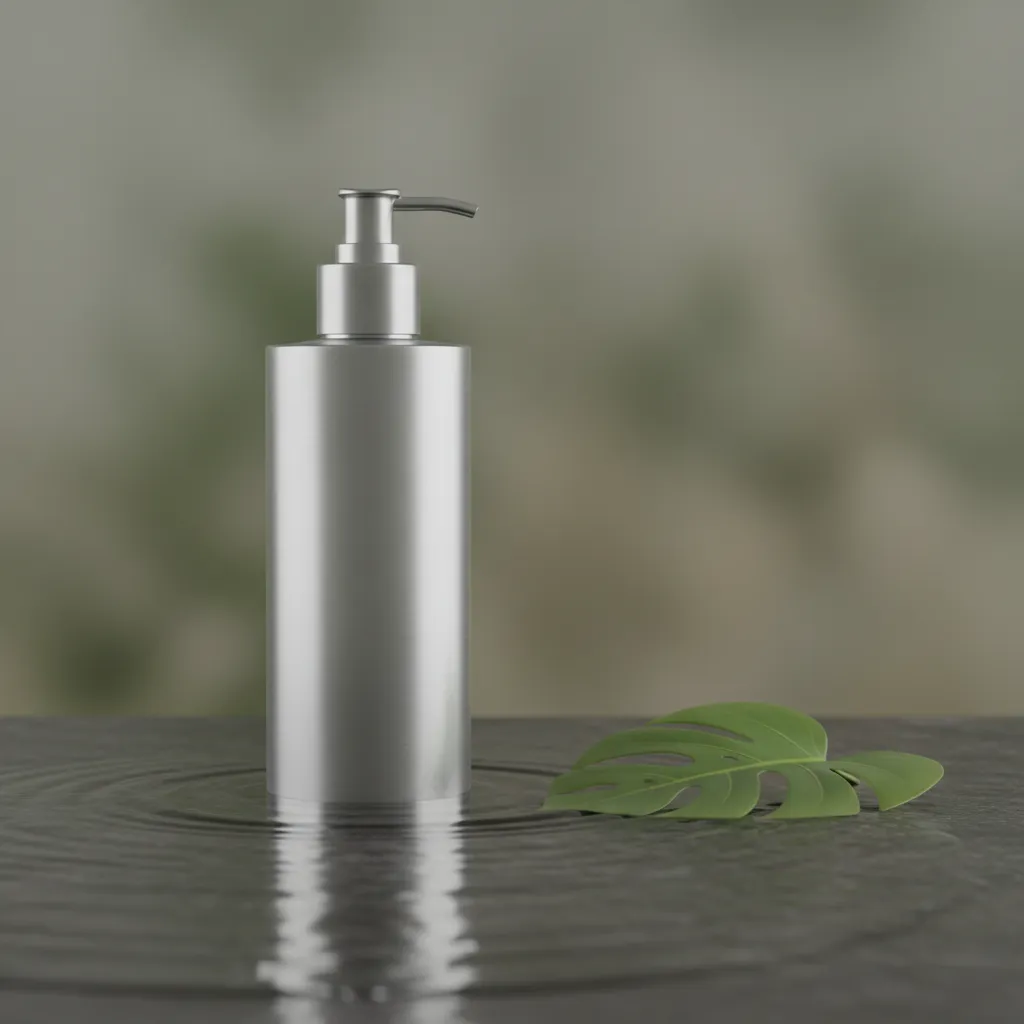
The Ordinary Multi-Peptide + Copper Peptides 1%
~$32
Sold by Amazon.comFormerly sold as Buffet + Copper Peptides 1%.Shop Now →
Paula's Choice CLINICAL 1% Retinol Treatment
~$49
Sold by Paula's Choice Skincare, a third-party sellerReplaces the 1% Retinol Booster, which we couldn't find on Amazon.Shop Now →
The Ordinary Granactive Retinoid 2% Emulsion
~$12
Sold by Amazon.comShop Now →Prices last checked on September 27, 2026 and rounded to the dollar. Amazon prices change often; the price shown at checkout is the one that applies.
What Is Retinol?
Retinol is a vitamin A derivative — a retinoid — that, when applied to skin, undergoes enzymatic conversion first to retinaldehyde, then to all-trans retinoic acid (tretinoin). Retinoic acid is the biologically active form that binds to nuclear retinoic acid receptors (RARα, RARβ, RARγ) and retinoid X receptors, directly regulating gene transcription in keratinocytes and fibroblasts.
Retinol's anti-aging mechanisms are among the most comprehensively studied in dermatology:
Collagen Synthesis Upregulation: Retinoic acid binding to RARs directly upregulates procollagen type I gene transcription in fibroblasts, increasing new collagen production. This is the primary mechanism behind retinol's visible anti-aging effect.
MMP Inhibition: Retinoids inhibit the AP-1 transcription factor pathway, which drives the expression of MMP-1 (collagenase) and MMP-3 (stromelysin) — key enzymes that degrade existing collagen. This protective effect complements the collagen synthesis boost.
Epidermal Turnover Normalization: Retinoids normalize keratinocyte differentiation, accelerating the shedding of dead skin cells and increasing epidermal thickness. This produces the improved texture, reduced dullness, and smoother surface appearance characteristic of retinol use.
Melanogenesis Inhibition: Retinoids reduce the formation and transfer of melanosomes, contributing to hyperpigmentation fading — a secondary but clinically significant benefit.
Important distinction: Over-the-counter retinol requires the conversion steps described above before becoming active. Prescription tretinoin (retinoic acid) is already in its active form, making it faster-acting and more potent — but also more irritating. Most consumer skincare uses retinol or newer retinoid esters (retinyl palmitate, retinaldehyde, hydroxypinacolone retinoate) that sit at different points on the potency-tolerability spectrum.
Clinical Evidence: What the Studies Show
Both ingredients have substantial peer-reviewed evidence, but the nature and strength of that evidence differs:
Retinol Evidence (Stronger Body of Research): Retinol and its derivatives are the most clinically validated cosmetic anti-aging actives. A landmark 1986 study by Kligman et al. in the Journal of the American Academy of Dermatology demonstrated that topical tretinoin (retinoic acid) applied to photodamaged skin significantly increased epidermal thickness and type I collagen production — foundational research that established the biological basis for retinoid anti-aging claims generally, including later work on lower-strength OTC retinol. This work has been replicated and extended many times since. The 2019 consensus guidelines from the American Academy of Dermatology list retinoids as the highest-evidence topical anti-aging intervention available without a prescription.
Copper Peptide Evidence (Growing, Highly Promising): Work by Leyden et al. presented at the American Academy of Dermatology in 2002 tested a GHK-Cu facial cream twice daily for 12 weeks in 71 women with photoaging, reporting improvements in skin density, fine lines and laxity; a companion eye-cream study in 41 women reported better results than both placebo and a vitamin K cream. These were conference presentations rather than peer-reviewed journal papers, which places them below published trial evidence. A 2015 review by Pickart and Margolina in the journal Biomolecules summarized decades of GHK research, citing over 50 studies demonstrating effects on wound healing, collagen synthesis, antioxidant defense, and gene expression. Notably, some studies suggest GHK-Cu may be less irritating than retinoids while producing comparable collagen increases in controlled settings.
The honest comparison: Retinol has more independent clinical replications and a longer regulatory track record. Copper peptides have a compelling and growing evidence base with excellent tolerability data. For the anti-aging indication specifically, retinol's evidence is deeper — but copper peptides are genuinely well-supported and not merely trendy.
Head-to-Head: Key Differences
Tolerability: Copper peptides win convincingly. GHK-Cu rarely causes irritation, peeling, or purging. Retinol, by contrast, commonly causes a 'retinization' period of 4–8 weeks — dryness, peeling, redness, and increased sensitivity — as skin adjusts. Retinol is also photosensitizing (increases sun sensitivity), while copper peptides are not.
Speed of Results: Retinol tends to produce more visible improvements faster — the accelerated epidermal turnover from retinol creates noticeable texture and tone improvements within 4–6 weeks. Copper peptide benefits are more gradual and cumulative, with meaningful results typically appearing at 8–12 weeks.
Breadth of Action: Copper peptides cover more ground beyond anti-aging: wound healing, DNA repair support, antioxidant defense, and genuine anti-inflammatory effect. Retinol has stronger standalone evidence for fine line reduction, hyperpigmentation, and epidermal rejuvenation.
Pregnancy Safety: Copper peptides are considered safe during pregnancy (not a Category X ingredient). Retinoids are contraindicated in pregnancy — a critical practical distinction.
Long-term Use: Both are suitable for long-term use. Copper peptides have no ceiling effect or tolerance issue. Some dermatologists recommend cycling retinol (e.g., every other evening) to reduce cumulative irritation; copper peptides can be used daily without concern.
Compatibility When Layered: One nuance worth knowing — do not combine high-concentration copper peptides with vitamin C (L-ascorbic acid) in the same routine step. Copper ions can oxidize and destabilize L-ascorbic acid. Use them in separate AM/PM routines or separated by application steps.
Choosing Your Anti-Aging Strategy
The best choice depends on your skin type, concerns, and tolerance:
Choose Copper Peptides as your primary anti-aging active if: Your skin is sensitive, rosacea-prone, or has not tolerated retinol previously. You are pregnant or planning pregnancy. You want an anti-aging active that doubles as wound healing support (post-procedure, acne scarring). You prefer a lower-maintenance routine without the sun-sensitivity management retinol requires.
Choose Retinol as your primary anti-aging active if: You want the most clinically supported anti-aging intervention available OTC. You are primarily targeting wrinkle reduction and hyperpigmentation simultaneously. You have normal-to-oily skin that tolerates the retinization period. You are committed to consistent, daily SPF use (non-negotiable with retinoids).
Use Both (Advanced Strategy): Many dermatologists recommend combining copper peptides in the AM routine and retinol in the PM routine for comprehensive anti-aging coverage. Copper peptides' antioxidant and protective effect complements morning SPF, while retinol's collagen-stimulating and cellular renewal effects operate optimally overnight when the skin is in repair mode. This two-pronged approach addresses every aspect of aging simultaneously.
How To Use Both in a Routine
Copper Peptides Protocol: Apply your GHK-Cu serum in the AM after toning, before SPF moisturizer. Copper peptides are fully stable in daytime use and layer well with niacinamide, hyaluronic acid, and centella asiatica. Apply before vitamin C if using both — or use vitamin C AM and copper peptides PM if you want to avoid any interaction risk with L-ascorbic acid.
Retinol Protocol: Apply in the PM, on skin that has been cleansed and fully dried (damp skin increases irritation risk). Start with 0.025–0.1% retinol two to three nights per week for the first 4–6 weeks, then increase frequency toward nightly use as tolerance develops. Follow with a ceramide-rich moisturizer to buffer the barrier disruption. Always use broad-spectrum SPF 30+ every morning when using retinol — photosensitization is real and consistent sun protection substantially enhances long-term anti-aging results.
The morning-after rule: If your skin is visibly irritated, red, or peeling the morning after retinol use, take the next evening off. Retinol's benefits require consistent but tolerable use — pushing through significant irritation impairs rather than accelerates results.
Author
Glowstice Editorial
The Glowstice editorial team consists of skincare researchers, cosmetic chemists, and science writers dedicated to translating peer-reviewed dermatology into practical guidance for curious consumers.