Affiliate disclosure: This article contains Amazon affiliate links. As an Amazon Associate, Glowstice earns from qualifying purchases — at no extra cost to you. Our editorial recommendations are independent of these partnerships. Learn more · How we evaluate products
Quick Picks
Affiliate links: we may earn a commission at no extra cost to you.
| Product | Price | Link |
|---|---|---|
Luxury treatment oil for face and neck La Mer The Renewal Oil | ~$305 | Shop Now → |
Night Peptide + Hyaluronic Acid — serum built around circadian-rhythm research Estée Lauder Advanced Night Repair Synchronized Multi-Recovery Complex | ~$88 | Shop Now → |
Adenosine + Peptides — overnight cream that doubles as a mask Clinique Smart Clinical Repair Overnight Recovery Cream + Mask | ~$62 | Shop Now → |
Trans-Retinoic Acid Ester Complex + Blue Tansy + German Chamomile — retinoid in a night oil Sunday Riley Luna Retinol Sleeping Night Oil | ~$55 | Shop Now → |
Triple Collagen Peptide + Niacinamide — day and night moisturizer Olay Regenerist Micro-Sculpting Cream | ~$22 | Shop Now → |
Prices last checked on September 27, 2026 and rounded to the dollar. Amazon prices change often; the price shown at checkout is the one that applies.
Chronobiology — the study of biological rhythms — has been applied to medicine for decades, governing chemotherapy timing, blood pressure medications, and hormone therapy. Its application to skincare is newer but increasingly rigorous. The skin's circadian clock governs not just cell division timing but the expression of antioxidant enzymes, DNA repair machinery, lipid synthesis, and the receptivity of follicle and dermal cells to topical actives. Night creams formulated with genuine chrono-awareness — rather than merely packaging as "night" products — can meaningfully amplify the skin's own nocturnal regeneration programme.
The Circadian Biology of Skin: A 24-Hour Map
The human circadian system is governed by a master clock in the suprachiasmatic nucleus (SCN), which is entrained by light exposure and synchronises peripheral clocks throughout the body. Skin has its own peripheral circadian clock — operative even in tissue culture, independent of the SCN — and this clock drives a predictable 24-hour programme of cellular activity.
Key circadian skin events (approximate, with individual variation): - **6–10am**: Cortisol peak promotes alertness and reduces inflammation; sebum secretion begins increasing; keratinocyte proliferation (cell division) is low. - **12–4pm**: Peak DNA synthesis in basal keratinocytes; transepidermal water loss (TEWL) is lowest; skin barrier function is most robust. - **10pm–2am**: TEWL increases as the barrier relaxes; keratinocyte proliferation peaks; growth hormone secretion from the pituitary triggers downstream IGF-1 signalling in fibroblasts; collagen synthesis increases. - **2am–6am**: Peak DNA repair activity; antioxidant enzyme (superoxide dismutase, catalase) expression declines; this window is the most vulnerable to oxidative damage but also most receptive to repair signalling.
This map means that nighttime, especially 10pm–4am, is genuinely the optimal window for topical collagen stimulants (retinol, peptides) and antioxidant delivery — not just marketing convention.
CLOCK Genes in Skin: The Molecular Mechanism
The mammalian circadian clock operates via a transcription-translation feedback loop involving CLOCK, BMAL1, PER (1, 2, 3), CRY (1, 2), and REV-ERBα genes. CLOCK and BMAL1 form a heterodimer that activates transcription of target genes including PER and CRY; as PER/CRY proteins accumulate, they inhibit CLOCK/BMAL1 activity, reducing their own transcription — the ~24-hour oscillation.
In human skin, CLOCK gene expression has been mapped to keratinocytes, melanocytes, and fibroblasts. Crucially, disrupting the clock in mouse models accelerates photoageing, UV-induced carcinogenesis, and barrier dysfunction. A 2018 study in Current Biology demonstrated that mice with fibroblast-specific BMAL1 knockout showed 30% less collagen production and increased MMP (matrix metalloproteinase) activity compared to controls.
For skincare, this means that formulations which include ingredients that support CLOCK gene function — including antioxidants that reduce the oxidative stress that disrupts circadian gene expression, and signalling peptides that mimic circadian-regulated growth factors — are genuinely relevant, not merely trendy.
Related Reading
Editor's Product Picks
Affiliate links — we earn a small commission at no extra cost to you.
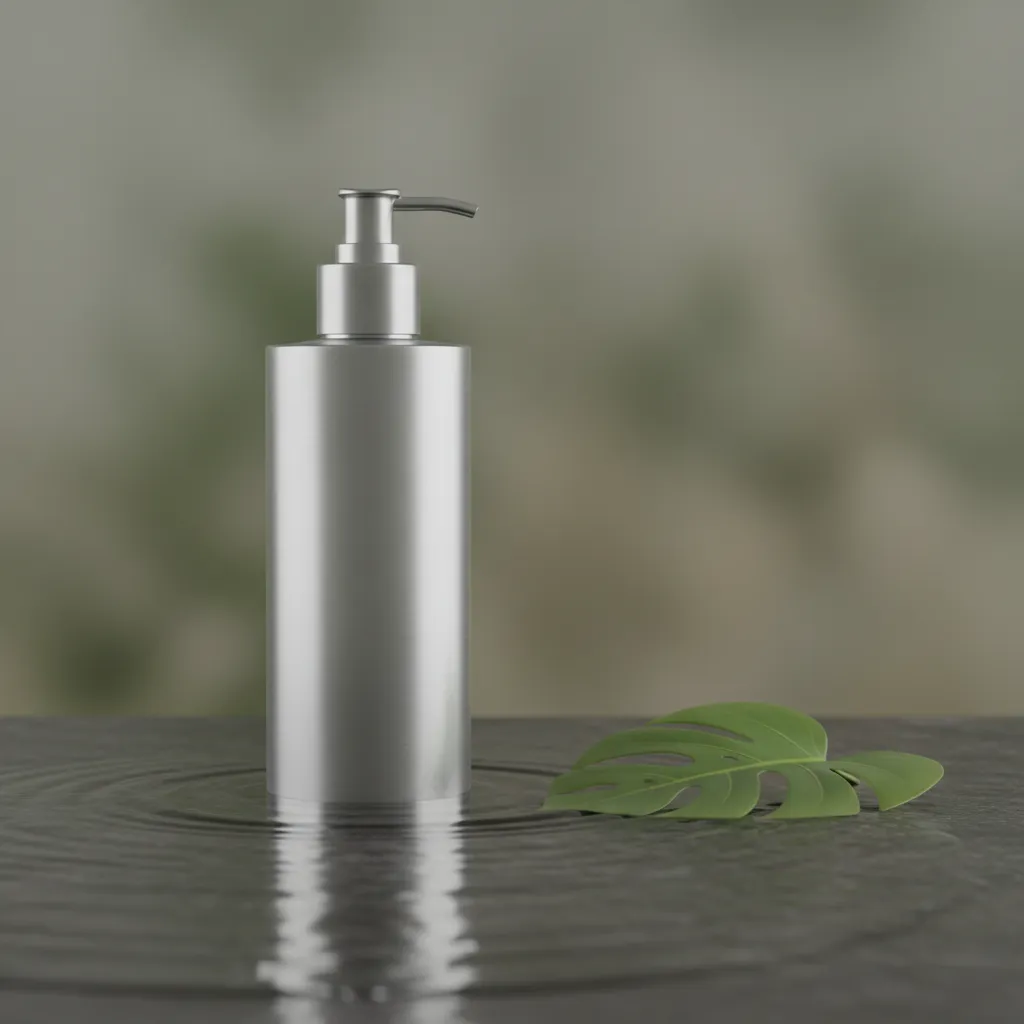
Olay Regenerist Micro-Sculpting Cream
~$22
Sold by Amazon.comOlay sells this as Micro-Sculpting Cream, for day or night.Shop Now →Clinique Smart Clinical Repair Overnight Recovery Cream + Mask
~$62
Sold by Amazon.comReplaces Smart Night Custom-Repair Moisturizer, which Amazon no longer lists.Shop Now →Sunday Riley Luna Retinol Sleeping Night Oil
~$55
Sold by Amazon.comShop Now →Estée Lauder Advanced Night Repair Synchronized Multi-Recovery Complex
~$88
Sold by Amazon.comShop Now →La Mer The Renewal Oil
~$305
Sold by Amazon.comShop Now →Prices last checked on September 27, 2026 and rounded to the dollar. Amazon prices change often; the price shown at checkout is the one that applies.
Nocturnal DNA Repair and Collagen Synthesis
Two of the most important restorative processes in skin — DNA damage repair and collagen synthesis — peak at night, and understanding their timing informs how to formulate and apply night creams.
**DNA repair**: UV-induced cyclobutane pyrimidine dimers (CPDs) and 6-4 photoproducts are repaired via nucleotide excision repair (NER), a process that requires ATP, XPC recognition protein, and PCNA. The NER pathway shows circadian expression in skin cells, peaking in the early morning (around 4–8am) in studies of human keratinocytes. Supporting antioxidant enzyme expression during this window — particularly via nicotinamide (a NAD+ precursor) and resveratrol — can reduce the substrate burden the NER machinery faces.
**Collagen synthesis**: Fibroblast collagen secretion is stimulated by growth hormone, IGF-1, and TGF-β, all of which peak at night. Retinol (as retinoic acid) directly upregulates procollagen gene expression and inhibits collagenase (MMP-1) in fibroblasts. Applied at night — after photodegradation risk is eliminated — retinol can act during the window when fibroblasts are maximally responsive to growth signals. Similarly, signal peptides like Matrixyl and GHK-Cu have faster fibroblast uptake in vitro during the nocturnal proliferative phase.
**Transepidermal water loss**: TEWL increases at night as the skin barrier relaxes. Higher TEWL means higher permeability — actives penetrate more readily at night than during the day. This is a documented advantage for occlusive night cream formats that apply a dense, water-binding layer to both reduce TEWL and deliver actives at their most permeable window.
Chrono-Peptides: What the Term Actually Means
"Chrono-peptide" is a marketing term used by several luxury brands (most prominently Sisley with their Chronologiste range, and Dior with Capture Totale) to describe peptide complexes that specifically support or mimic circadian-regulated signals in skin.
The legitimate science behind the term involves a few documented peptide mechanisms:
**Chronocyclin (by Vincience/Givaudan)**: a tetrapeptide (GEKG) derived from fibronectin that stimulates BMAL1 expression in keratinocytes in vitro, effectively "reinforcing" the circadian clock signal. In a 2020 in vitro study, Chronocyclin at 0.001% increased BMAL1 expression by 34% in UV-stressed keratinocytes.
**Matrixyl Morphomics**: a palmitoyl tetrapeptide-7 formulation claimed to respond preferentially to the nocturnal IGF-1 signalling environment, though published independent data is limited.
**Acetyl Hexapeptide-49**: a newer peptide claimed to directly interact with SIRT1 (sirtuin-1), a key regulator of both circadian gene expression and cellular stress responses. SIRT1 activators include resveratrol and NAD+ precursors — peptide-based SIRT1 stimulation is earlier-stage science.
The honest summary: chrono-peptide science is credible at the mechanistic level in cell culture, with limited controlled human RCT data. The strongest case for circadian-timed night creams is the well-established biology of nocturnal TEWL increase, collagen synthesis peaking, and the documented benefit of retinol applied at night.
Melatonin in Night Creams: A Genuine Antioxidant Role
Melatonin (N-acetyl-5-methoxytryptamine) is produced by the pineal gland in response to darkness, peaking between midnight and 3am. What is less well known is that the skin produces melatonin locally — keratinocytes, melanocytes, and fibroblasts express the full enzymatic pathway for melatonin synthesis from tryptophan, independently of systemic levels.
Topical melatonin has documented antioxidant activity that is qualitatively different from conventional antioxidants: it scavenges hydroxyl radicals and singlet oxygen with kinetic rate constants 10–500x higher than glutathione, ascorbic acid, or alpha-tocopherol. It also stimulates expression of the antioxidant enzymes catalase, superoxide dismutase, and glutathione peroxidase — an effect called the "antioxidant defence cascade."
Dreher et al.'s published research on topical melatonin has focused primarily on its protective effect against UV-induced erythema when applied before sun exposure, showing dose-dependent inhibition of UV damage markers — a somewhat different use case than an overnight anti-aging cream, though consistent with melatonin's general antioxidant mechanism. Independent, published RCTs specifically testing a nightly melatonin cream against vehicle control for elasticity and wrinkle depth over an extended period are more limited than marketing claims for melatonin-containing night creams sometimes suggest. Melatonin formulations are generally stable at neutral to slightly alkaline pH and are compatible with niacinamide, peptides, and ceramides.
Night Cream Protocol for Maximum Circadian Benefit
1. **Apply after 9pm** — applying at 7pm while the sympathetic nervous system is still active and cortisol is elevated misses the nocturnal repair window. If you sleep at 10pm, apply at 9pm. 2. **Double-cleanse first** — a rich night cream on unremoved SPF or silicone primer will occlude oxidative residue against the skin during the most vulnerable repair window. 3. **Retinol on alternating nights** if using retinol — or use a retinol-containing night cream every night at a lower concentration (0.025–0.1%) rather than high-concentration retinol every other night. 4. **Layer correctly**: water-based toner or essence → targeted serum (peptides, antioxidants) → night cream (occlusive, traps previous layers). The cream's occlusion accelerates serum penetration. 5. **No LED screen light for 20 minutes after application** — light exposure after melatonin-containing products are applied suppresses local melatonin synthesis. 6. **Silk pillowcase** — reduces mechanical friction and preserves the cream layer during sleep.
Author
Glowstice Editorial
The Glowstice editorial team consists of skincare researchers, cosmetic chemists, and science writers dedicated to translating peer-reviewed dermatology into practical guidance for curious consumers.