Affiliate disclosure: This article contains Amazon affiliate links. As an Amazon Associate, Glowstice earns from qualifying purchases — at no extra cost to you. Our editorial recommendations are independent of these partnerships. Learn more · How we evaluate products
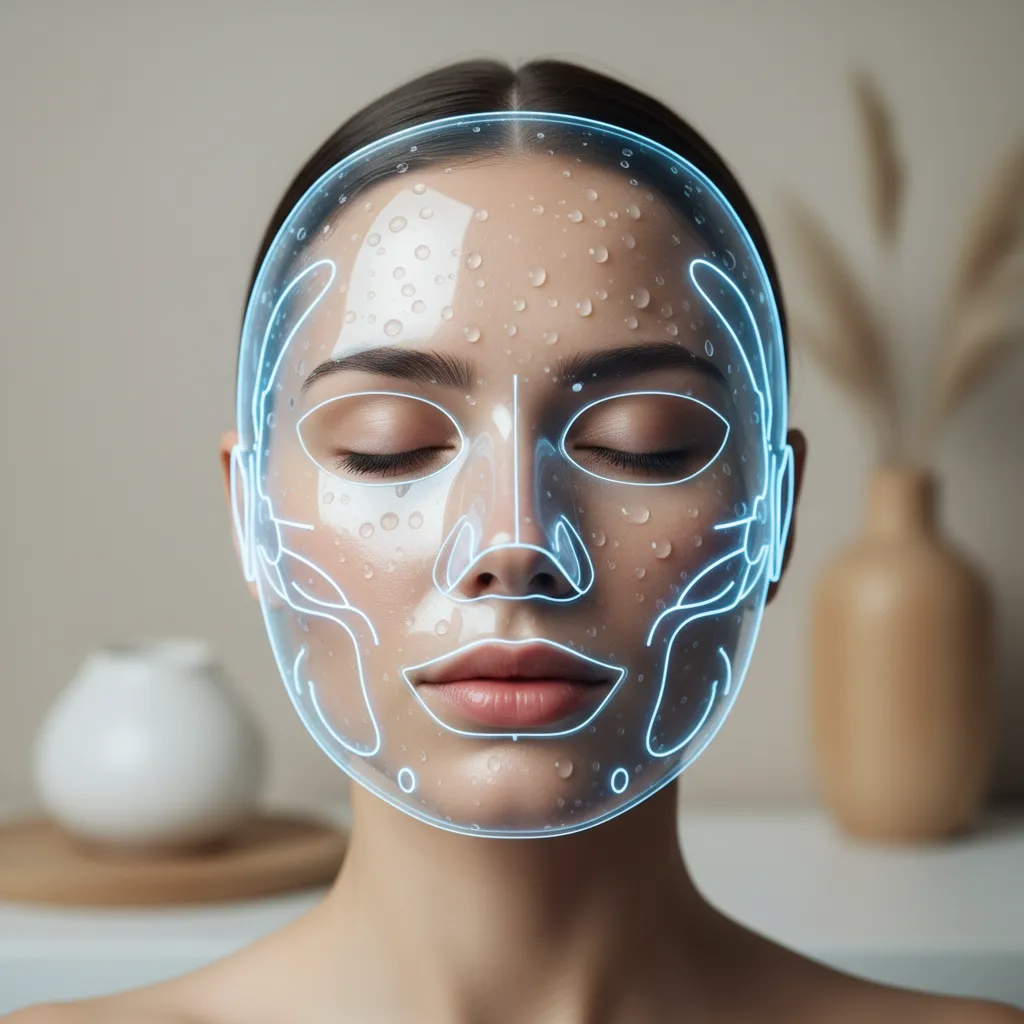
AI-driven skin analysis moved from a novelty in-store kiosk to a genuine R&D priority for Korean beauty conglomerates in 2026, with Amorepacific, Samsung, and LG all presenting new diagnostic technology at CES. Some of this represents real, sensor-based measurement backed by large datasets; some of it is closer to a sophisticated recommendation engine wrapped in AI branding. Distinguishing between the two matters if you're deciding how much to trust a skin-scan result before buying products based on it.
What Actually Launched at CES 2026
Amorepacific introduced Skinsight, a wearable sensor-patch platform co-developed with MIT researchers that continuously measures multiple skin-aging signals over time rather than taking a single point-in-time snapshot, feeding that data through AI to predict aging patterns and generate personalized recommendations — a CES Innovation Award honoree in the Beauty Tech category. Separately, Amorepacific partnered with Samsung on an AI Beauty Mirror using camera-based optical analysis trained on a reported 450,000+ prior skin-scan cases to evaluate pores, pigmentation, redness, and wrinkles. LG H&H showed a wearable eye-area patch combining skin analysis with active-ingredient delivery via negative pressure and built-in LED therapy. CJ Olive Young's existing in-store 'Skin Scan' service, unrelated to the CES launches, has reportedly surpassed 1 million uses, indicating consumer appetite for this category already exists at meaningful scale.
Wearable Sensors vs. Camera-Based Analysis
These technologies split into two genuinely different measurement approaches worth distinguishing. Wearable sensor patches (like Skinsight) collect continuous, longitudinal biological data directly from skin contact over time — a fundamentally richer dataset than a single photograph, closer in principle to how a continuous glucose monitor outperforms a single blood draw for tracking a trend rather than a snapshot. Camera-based optical analysis (like the Samsung-partnered AI Beauty Mirror) captures a single-moment image and compares it against a large reference dataset of prior scans to flag concerns like pigmentation or wrinkle depth — genuinely useful for large-scale pattern recognition, but inherently limited by lighting conditions, camera quality, and the fact that it's analyzing a static image rather than an ongoing biological signal.
Related Reading
Editor's Product Picks
Affiliate links — we earn a small commission at no extra cost to you.

COSRX AHA/BHA Clarifying Treatment Toner
~$15–$20
Shop Now →
COSRX Advanced Snail 96 Mucin Power Essence
~$17–$25
Shop Now →What These Systems Can Genuinely Measure
Camera-based systems trained on large datasets are genuinely capable of flagging visible surface concerns — pore size, visible pigmentation, redness distribution, wrinkle depth in photographed areas — with reasonable consistency, similar in principle to how dermatologists already use standardized photography for tracking treatment progress over time. Wearable sensor systems can plausibly track real physiological signals (hydration, elasticity, some inflammatory markers) continuously rather than at a single visit, which is a genuine technical advance over episodic in-store scanning. Both approaches represent legitimate measurement technology, not pure marketing theater — the meaningful caveat is in how the resulting data gets translated into product recommendations, which is a separate, less transparent step.
Where Consumer-Facing AI Oversells Precision
The gap between 'genuinely measured' and 'confidently presented' is where most consumer skepticism should be focused. A skin scan reporting your 'skin age' as a specific number, or predicting future wrinkle formation with implied precision, is translating a measurement into a forward-looking claim that's considerably harder to validate than the underlying measurement itself — aging trajectories depend on future sun exposure, lifestyle changes, and genetics in ways no current sensor can fully account for. Product recommendation engines built on top of these scans also aren't fully independent of the recommending company's own product catalog, which is worth keeping in mind: a skin-scan recommendation from a brand's own in-store kiosk has an obvious commercial incentive baked into which products get suggested, regardless of how sophisticated the underlying diagnostic technology is.
What This Means for How You Shop Skincare
AI skin-scan results are a reasonable starting data point for identifying general concerns (uneven pigmentation, enlarged pores, dehydration patterns) worth addressing, but they shouldn't be treated as a definitive, unquestionable diagnosis the way a dermatologist's in-person evaluation would be, particularly for anything beyond cosmetic concerns. Using a scan's general concern categories to research ingredients independently, rather than purchasing whatever the same system recommends on the spot, is a reasonable way to benefit from the diagnostic technology without over-trusting the attached commercial recommendation engine.
Frequently Asked Questions
Can I trust an AI skin scan's 'skin age' result?+
Treat it as a rough, single-metric summary rather than a precise measurement — translating sensor or image data into a specific age number involves assumptions about future lifestyle and genetics that no current technology can fully account for. The underlying measurements (pigmentation, pore visibility, hydration) are more directly verifiable than the age number derived from them.
Should I buy whatever products an in-store AI skin scan recommends?+
Use the scan's general concern categories (pigmentation, dehydration, texture) as a research starting point, but be aware that a scan run by a brand's own kiosk has a commercial incentive in which products it suggests, regardless of how accurate the underlying diagnostic technology is. Independently researching ingredients for the flagged concern is a reasonable middle ground.
Author
Glowstice Editorial
The Glowstice editorial team consists of skincare researchers, cosmetic chemists, and science writers dedicated to translating peer-reviewed dermatology into practical guidance for curious consumers.