Affiliate disclosure: This article contains Amazon affiliate links. As an Amazon Associate, Glowstice earns from qualifying purchases — at no extra cost to you. Our editorial recommendations are independent of these partnerships. Learn more · How we evaluate products
Quick Picks
Affiliate links: we may earn a commission at no extra cost to you.
| Product | Price | Link |
|---|---|---|
Multi-Mode LED: Red MZ Skin LightMAX Supercharged LED 2.0 Mask | ~$950 | Shop Now → |
Best Overall CurrentBody Skin LED Face Mask: Series 2 | ~$470 | Shop Now → |
Best for Acne Dr. Dennis Gross DRx SpectraLite FaceWare Pro | ~$455 | Shop Now → |
4 Wavelengths: 460 / 590 / 660 / 850nm JOVS 3D Red Light Therapy Mask | ~$199 | Shop Now → |
Medical-Grade Omnilux Contour FACE LED Mask | Brand site | Shop direct → |
Prices last checked on September 27, 2026 and rounded to the dollar. Amazon prices change often; the price shown at checkout is the one that applies.
The LED face mask market has grown from a niche clinic category into a $2.5 billion global consumer business — with over 200 devices available at prices from $50 to $1,200. The challenge is no longer finding an LED mask; it's knowing which ones actually deliver therapeutic photon doses to skin versus which are expensive light shows. The metric most brands obscure is irradiance: milliwatts of light energy reaching one square centimeter of skin per second (mW/cm²). Clinical photobiomodulation research establishes the therapeutic window for skin at 10–100 mW/cm² depending on wavelength. Most budget devices deliver below 5 mW/cm², rendering them cosmetically meaningless regardless of how many LEDs they claim. The masks that consistently appear in published randomized controlled trials share three characteristics: accurate wavelength emission, adequate irradiance at skin contact, and sufficiently long treatment times. We evaluated the leading LED face masks using five criteria: published irradiance data (independent lab-tested where available), wavelength specificity (within ±10nm of claimed values), peer-reviewed human RCT evidence, treatment protocol quality, and value for the irradiance delivered. Here is what the data says.
How We Rank LED Face Masks
Irradiance (mW/cm²) measures the light power hitting each square centimeter of skin during treatment. Clinical photobiomodulation studies consistently demonstrate that therapeutic effects begin at approximately 10 mW/cm² for red (630–670nm) and near-infrared (800–860nm) wavelengths. Below this threshold, photon delivery is insufficient to activate cytochrome c oxidase — the mitochondrial chromophore responsible for ATP synthesis and the cascade of cellular repair that underpins LED therapy's documented benefits.
Contact vs. non-contact design is the single most important structural variable. Flexible silicone masks that rest directly on skin deliver dramatically higher irradiance than rigid masks with an air gap: irradiance drops by the inverse square of distance, so even a 2–3cm gap between LEDs and skin reduces effective dose by 75–90%. Many devices with impressive-sounding specifications (100+ mW/cm² at the LED face) deliver under 5 mW/cm² by the time light reaches skin through a non-contact air gap.
We scored each device on: irradiance at skin contact (10 mW/cm² minimum, 30–60 mW/cm² for top ranking); wavelength accuracy (632–660nm red, 820–850nm NIR, 410–420nm blue); published human RCT or FDA clearance status; treatment time and weekly dosing protocol; and structural design for consistent skin contact. We excluded devices unable to demonstrate ≥10 mW/cm² at the skin surface.
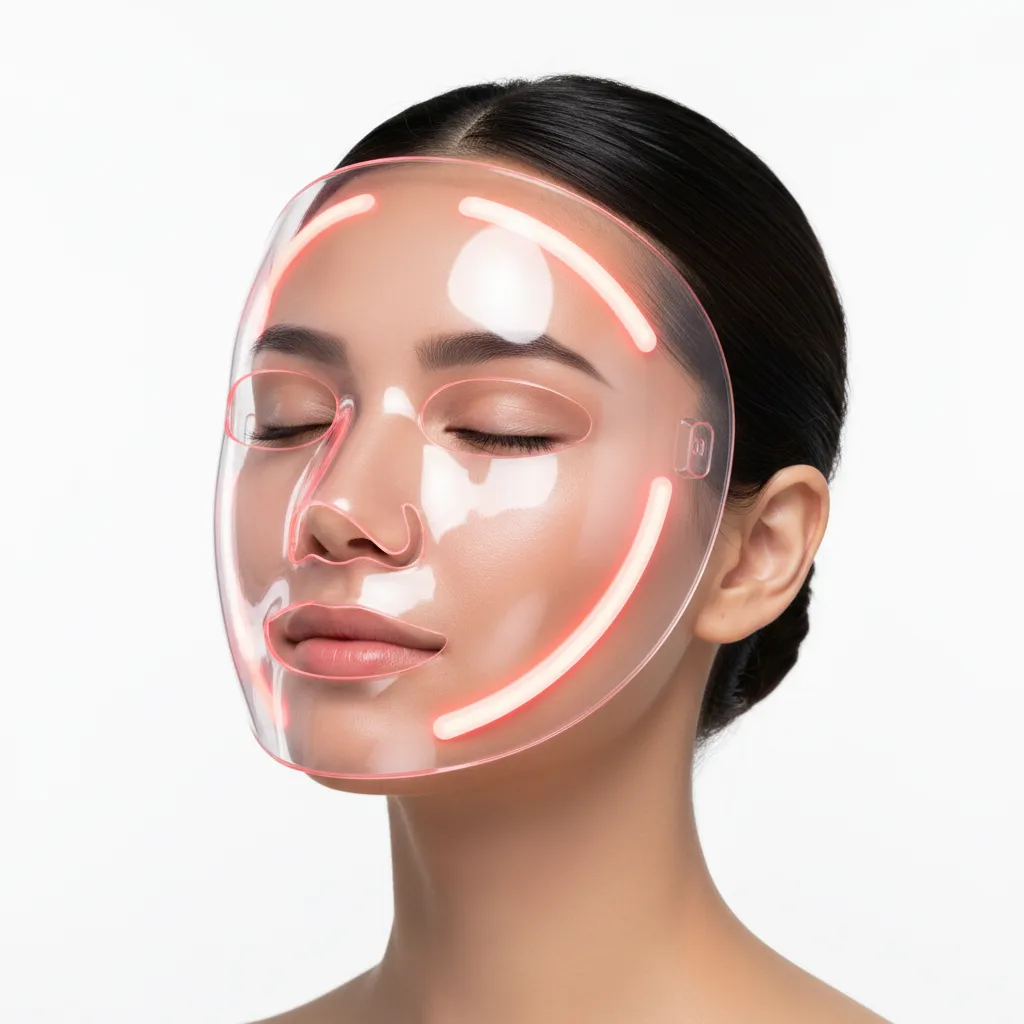
Top Pick: CurrentBody Skin LED Light Therapy Mask
CurrentBody's Skin LED Mask (~$470 for the current Series 2) earns the top position for one decisive reason: it is the only flexible, wearable LED mask with a published, peer-reviewed randomized controlled trial demonstrating statistically significant skin outcomes in human subjects.
The 2021 RCT published in the Journal of Clinical, Cosmetic and Investigational Dermatology used the CurrentBody mask specifically — 633nm red and 830nm near-infrared — and demonstrated significant improvements in skin smoothness, radiance, and periorbital fine lines after 4 weeks of twice-weekly 10-minute sessions versus a sham device control. This level of independent clinical evidence is extraordinarily rare in the consumer device category.
Device specifications: the current Series 2 has 236 LEDs across three wavelengths — 633nm red, 830nm near-infrared and a new 1072nm deep near-infrared. The published trial was run on the earlier two-wavelength model, so the evidence applies most directly to the 633nm/830nm pair the new model keeps. The flexible liquid-silicone mask flexes to maintain consistent LED-to-skin contact across facial contours, which is essential for irradiance delivery. The twice-weekly 10-minute protocol is also more realistic for long-term adherence than daily 3-minute protocols that require perfect daily compliance to achieve equivalent weekly dosing.
Limitation: The CurrentBody mask does not extend to the neck or décolleté. At about $470 it represents a significant investment — but it is the best-evidenced single-face consumer LED device on the market by a clear margin.
Related Reading
Editor's Product Picks
Affiliate links — we earn a small commission at no extra cost to you.
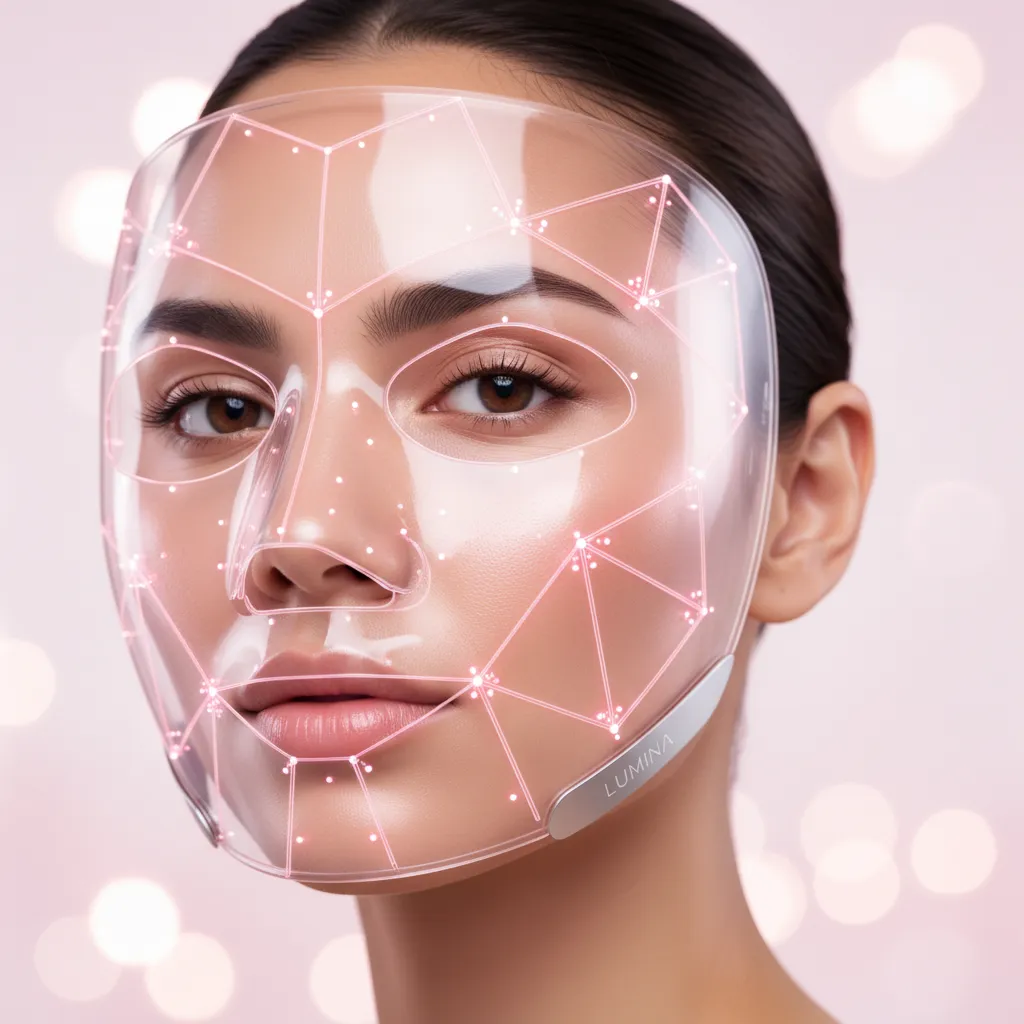
CurrentBody Skin LED Face Mask: Series 2
~$470
Sold by The Beauty Tech Group Ltd, a third-party sellerShop Now →Omnilux Contour FACE LED Mask
Price on brand site
Not sold on Amazon. We earn nothing from this link.Buy direct from Omnilux →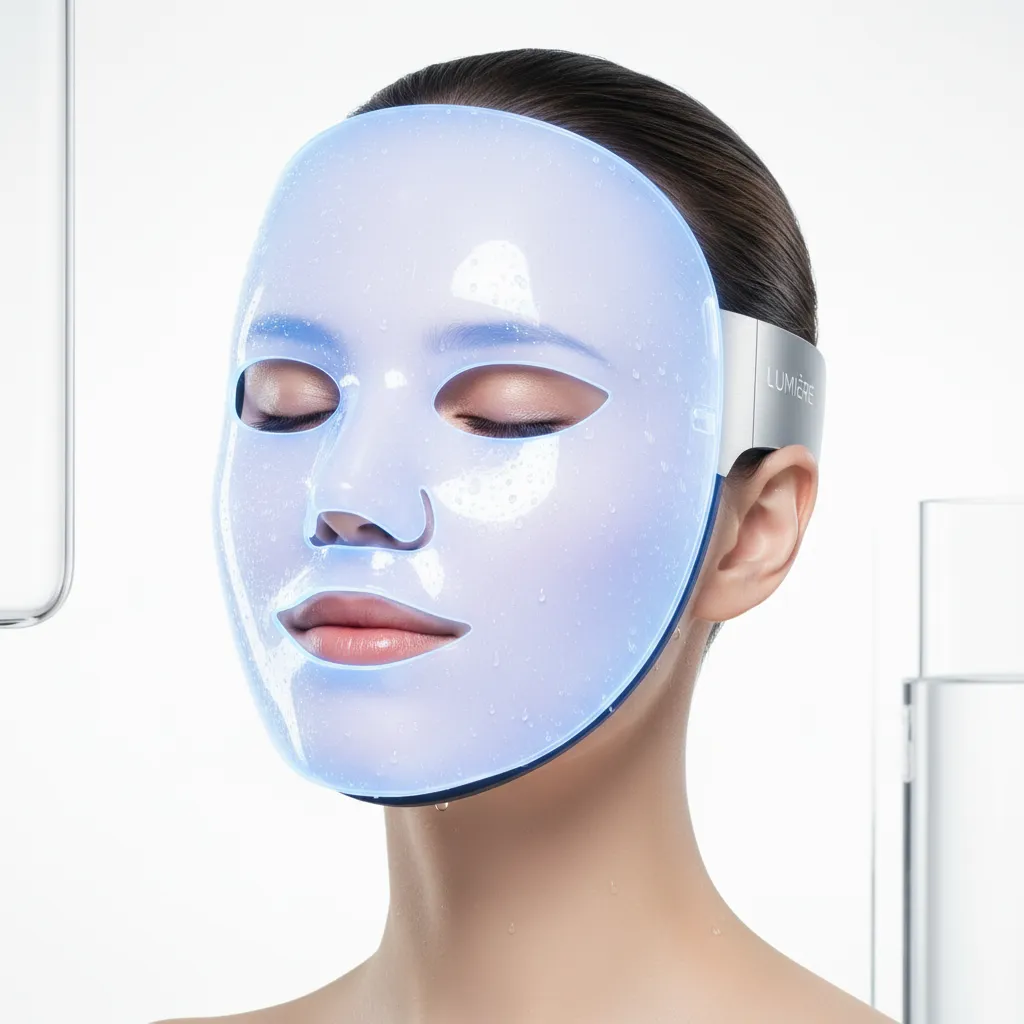
Dr. Dennis Gross DRx SpectraLite FaceWare Pro
~$455
Sold by Dr. Dennis Gross Skincare, LLC, a third-party sellerShop Now →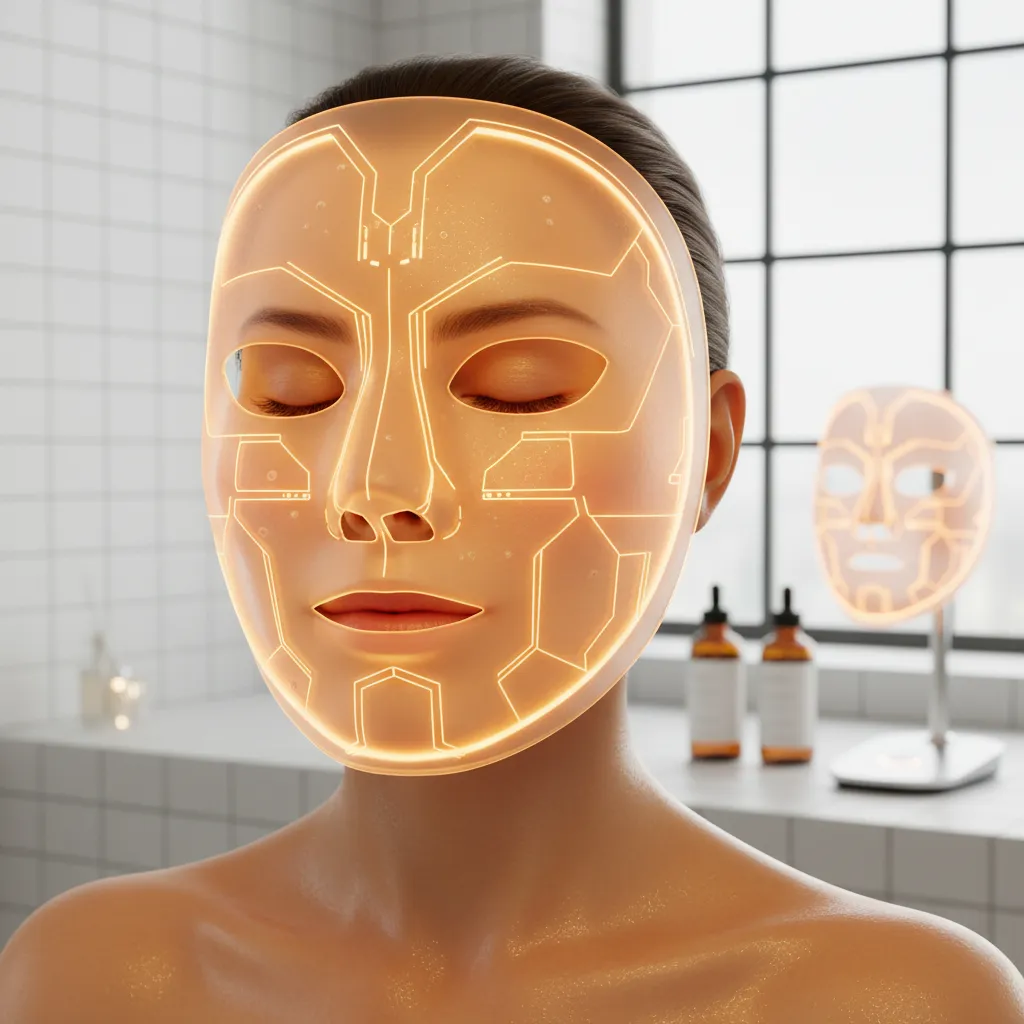
JOVS 3D Red Light Therapy Mask
~$199
Sold by JOVS Official Store, a third-party sellerWe originally listed a 'JOVS Venus Pro II' LED mask, but Venus Pro II is JOVS's IPL hair-removal device. This is JOVS's LED face mask.Shop Now →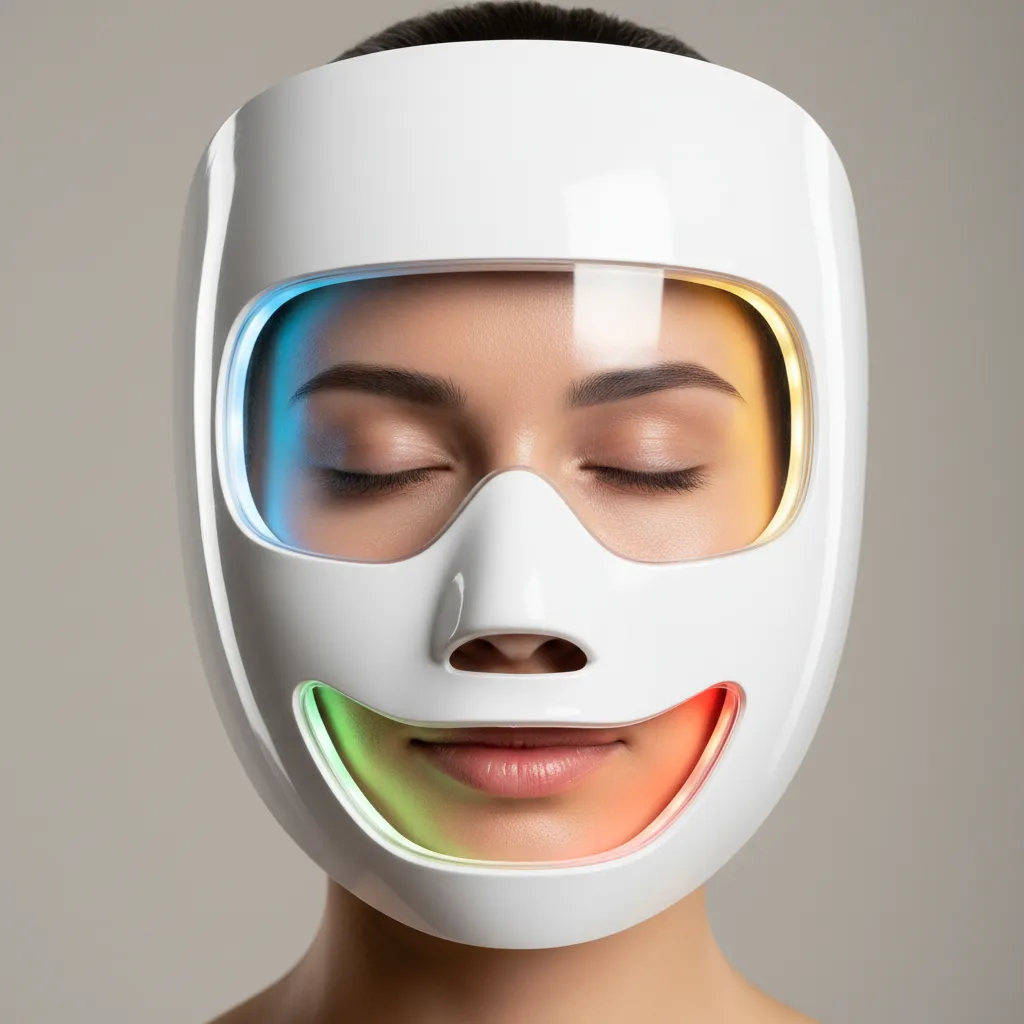
MZ Skin LightMAX Supercharged LED 2.0 Mask
~$950
Sold by MZ SKIN., a third-party sellerMz Skin's handheld light-therapy device isn't listed on Amazon, so this is its current LED mask, the LightMAX Supercharged LED 2.0.Shop Now →Prices last checked on September 27, 2026 and rounded to the dollar. Amazon prices change often; the price shown at checkout is the one that applies.
Medical-Grade Pick: Omnilux Contour FACE
Omnilux has manufactured medical-grade photobiomodulation equipment for dermatology clinics since 1999. The Contour FACE (sold direct by Omnilux; on Amazon it is offered only by third-party resellers) brings clinical-grade wavelength precision and irradiance into a consumer form factor without the compromises that undermine most home devices.
The Omnilux Contour uses 132 LEDs emitting red (633nm) and near-infrared (830nm) light in a flexible mask. Published clinical data demonstrates improvements in periorbital lines and skin laxity after 3 weeks of daily 10-minute sessions. The device is FDA-cleared for wrinkle reduction and skin appearance — a regulatory threshold requiring submitted human clinical data.
The Omnilux vs. CurrentBody comparison ultimately comes down to protocol and lifestyle fit: Omnilux's published protocol is daily (achieving higher cumulative weekly dose), while CurrentBody's RCT was conducted at twice-weekly sessions. For users who will commit to daily sessions, Omnilux delivers a higher total photon dose per week. For users who prefer a more flexible schedule, CurrentBody's twice-weekly protocol has the more robust published evidence for its specific outcomes.
Both devices use the same core wavelength pair (633nm + 830nm), which is not a coincidence — this wavelength pair sits at the validated absorption peaks for cytochrome c oxidase in red light and hemoglobin in NIR.
Best for Acne + Anti-Aging: Dr. Dennis Gross DRx SpectraLite FaceWare Pro
The Dr. Dennis Gross DRx SpectraLite FaceWare Pro ($455) is the only device in our ranking that combines red, near-infrared, and blue wavelengths — making it the top pick for users targeting active acne and anti-aging simultaneously.
415nm blue light kills Cutibacterium acnes by activating the bacteria's endogenous porphyrins, which generate reactive oxygen species that rupture the bacterial cell membrane. This mechanism is well-established: the landmark Papageorgiou study in the British Journal of Dermatology (2000) reported a 76% mean reduction in inflammatory acne lesions over 12 weeks — but that result came from combined blue (415nm) and red (660nm) light, which outperformed blue light alone, benzoyl peroxide and white light. The headline number belongs to the combination, not to blue light by itself. Red light at 660nm concurrently reduces sebaceous gland inflammation and accelerates tissue repair — the combination outperforms either wavelength used alone.
The SpectraLite delivers 162 LEDs with a 3-minute treatment time — the shortest protocol of any clinically substantiated device on the market. The rigid mask design maintains consistent LED-to-skin distance, and the 3-minute daily protocol makes compliance achievable even for users with minimal daily skincare time.
Limitation: at $455 it sits at the upper end of this ranking. The 3-minute protocol is convenient but delivers lower cumulative photon dose than Omnilux or CurrentBody protocols unless used daily without exception. For pure anti-aging focus, CurrentBody or Omnilux deliver better cumulative dosing. For acne as the primary concern, the blue light addition justifies this device.
Best Mid-Range: JOVS 3D Red Light Therapy Mask
A correction first: we previously listed a 'JOVS Venus Pro II' LED mask here, but Venus Pro II is JOVS's IPL hair-removal device, not a face mask. JOVS's LED face mask is the 3D Red Light Therapy Mask (~$199), a cordless, contoured mask with 324 LEDs across four wavelengths: blue (460nm), amber (590nm), red (660nm) and near-infrared (850nm).
Amber light around 590nm has published evidence for reducing facial redness and calming vascular skin conditions including mild rosacea, and the blue channel targets acne. JOVS does not publish a verified irradiance figure at skin contact, so treat it as a multi-concern mask rather than a clinical-dose device.
For users addressing several concerns at once (anti-aging, acne and redness), it offers multi-wavelength coverage at well under half the price of the clinical leaders.
For single-concern users (anti-aging only, or acne only), the CurrentBody or Dennis Gross devices, with published evidence behind their specific wavelengths, are better choices. For multi-concern treatment on a budget, the JOVS mask's breadth justifies the mid-range positioning.
LED Face Mask Buying Guide
Five questions to apply before any LED mask purchase:
1. What is the irradiance at skin contact? Any device that doesn't publish mW/cm² at the skin surface (not at the LED face) is hiding the number for a reason. Require at least 10 mW/cm² for any therapeutic consideration.
2. Contact or non-contact design? Flexible silicone masks resting on skin deliver 3–5× more irradiance than rigid masks with an air gap. A device claiming 80 mW/cm² with a 3cm air gap may deliver under 10 mW/cm² to your actual skin.
3. Exact wavelengths? 'Red light' without a nanometer value is meaningless. Evidence-based anti-aging: 630–670nm red and 820–860nm NIR. Acne: 410–420nm blue. Devices with 700nm or 780nm wavelengths operate outside both evidence windows.
4. Published human RCT or FDA clearance? Very few consumer devices meet either standard. CurrentBody, Omnilux, and Dr. Dennis Gross all do. This is a short list for good reason.
5. Weekly cumulative dose? Multiply irradiance (mW/cm²) × treatment time (seconds) × weekly sessions. This is your weekly joule dose. Clinical anti-aging protocols typically require 2–4 J/cm² per session, two to seven times per week.
For a deeper science foundation, read our full guide: LED Face Masks: The Complete Science Guide to Photobiomodulation.
Author
Glowstice Editorial
The Glowstice editorial team consists of skincare researchers, cosmetic chemists, and science writers dedicated to translating peer-reviewed dermatology into practical guidance for curious consumers.