Affiliate disclosure: This article contains Amazon affiliate links. As an Amazon Associate, Glowstice earns from qualifying purchases — at no extra cost to you. Our editorial recommendations are independent of these partnerships. Learn more · How we evaluate products
Quick Picks
Affiliate links: we may earn a commission at no extra cost to you.
| Product | Price | Link |
|---|---|---|
Best Overall Berrisom SOS Lip Patch | ~$15 | Shop Now → |
Best for Daily Hydration Petitfee Sleeping Lip Mask (Camellia) | ~$14 | Shop Now → |
Best for Overnight Petitfee Sleeping Lip Mask (Sea Buckthorn) | ~$14 | Shop Now → |
Prices last checked on September 27, 2026 and rounded to the dollar. Amazon prices change often; the price shown at checkout is the one that applies.
Lip mask patches are a genuinely distinct delivery format from balms or sleeping masks — a pre-cut, serum-soaked hydrogel or fabric patch applied directly to the lips and left in place for a fixed period, functioning closer to a targeted treatment mask than a leave-on product you'd wear throughout normal activity. This format trades everyday convenience for a more concentrated, briefly intensive treatment, which makes it better suited to occasional deep repair than daily maintenance.
Patch vs. Balm: A Genuinely Different Delivery Method
A balm or sleeping mask is applied as a thin layer that you then leave exposed to air (and, in the case of daytime balm, to talking and eating). A patch, by contrast, is a physical, serum-saturated hydrogel or fabric layer that sits directly on the lips, creating a sealed, occlusive contact zone similar in principle to a hydrocolloid wound patch — the physical barrier itself prevents both moisture evaporation and any disruption from talking or touching for the duration of wear, which is mechanically different from a topical layer that remains exposed to the environment.
Why Uninterrupted Direct Contact Matters
Because the patch physically seals the treatment serum against lip skin without any air exposure or mechanical disruption, ingredient absorption during the wear period is generally more consistent and complete than the same serum applied as an open balm, where evaporation and surface contact with air, clothing, or hands can reduce how much actually stays in contact with skin. This is the same basic occlusion-enhances-delivery principle used in sheet masks for facial skin, just applied at lip scale with a purpose-shaped patch.
Related Reading
Editor's Product Picks
Affiliate links — we earn a small commission at no extra cost to you.

Berrisom SOS Lip Patch
~$15
Sold by COSMELAB OFFICIAL, a third-party sellerShop Now →
Petitfee Sleeping Lip Mask (Camellia)
~$14
Sold by PETITFEE | koelf | neos:lab, a third-party sellerPetitfee's camellia lip patches aren't listed on Amazon, so this links its Camellia Seed Oil Sleeping Lip Mask. Note it's a balm, not a patch.Shop Now →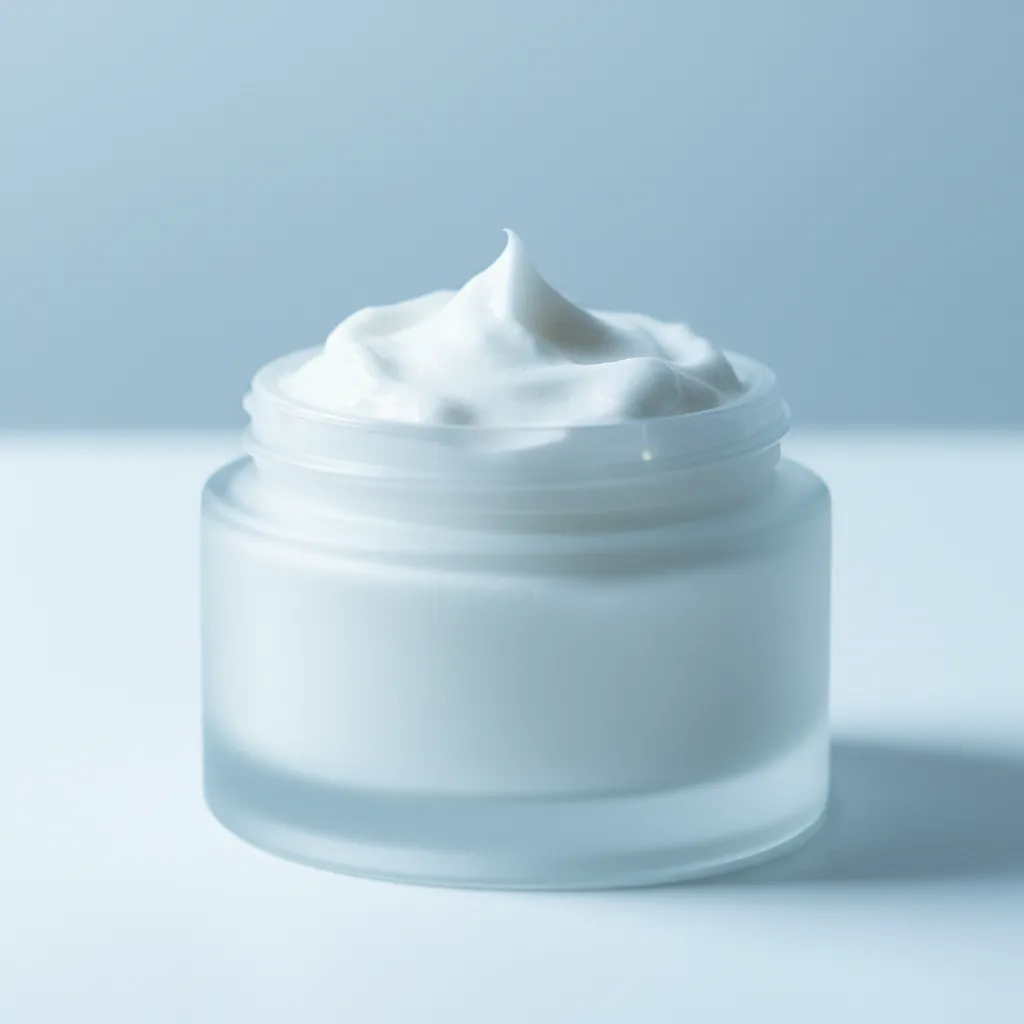
Petitfee Sleeping Lip Mask (Sea Buckthorn)
~$14
Sold by PETITFEE | koelf | neos:lab, a third-party sellerPetitfee's sea buckthorn lip patches aren't listed on Amazon, so this links its Sea Buckthorn Sleeping Lip Mask. Note it's a balm, not a patch.Shop Now →Prices last checked on September 27, 2026 and rounded to the dollar. Amazon prices change often; the price shown at checkout is the one that applies.
When a Patch Makes More Sense Than a Balm
Patches are best reserved for situations calling for a more intensive, occasional treatment — visibly flaking or cracked lips, preparing lips before a special event or a long-wear matte lipstick application, or as a periodic deep-repair step layered into an otherwise balm-and-tint-based routine. They're generally impractical for continuous daily wear given the fixed application time (commonly 10–20 minutes) and the need to stay still and avoid talking or eating during that window, which is why most people in this category use patches as a weekly or as-needed treatment rather than a daily-use product.
Application Technique and Realistic Frequency
Most lip mask patches are designed to be applied to clean, dry lips and left on for roughly 10–20 minutes, after which any remaining serum residue should be pressed into the lips rather than wiped away, similar to sheet mask etiquette for facial skin. Using a patch more than a few times per week isn't generally necessary or more beneficial — for chronic daily lip maintenance, a balm or overnight sleeping mask used consistently will typically outperform occasional patch use, with patches functioning best as a supplementary, periodic boost rather than a primary daily-care product.
Top Picks Ranked
Berrisom SOS Lip Patch (~$15 for 30 patches) is the most recognized product in this category: single-use, essence-soaked patches with a berry complex, hyaluronic acid and collagen, which Berrisom suggests as a prep step before lip color — at a genuinely low per-use cost given the 30-patch count.
Petitfee Sleeping Lip Mask (Camellia) (~$14) stands in for Petitfee's Oil Blossom lip patches, which aren't listed on Amazon. Be aware it's a balm rather than a patch: camellia seed oil with argan, moringa, jojoba and meadowfoam oils, for intensive hydration day or night.
Petitfee Sleeping Lip Mask (Sea Buckthorn) (~$14) is the sea buckthorn version of the same balm, standing in for the Oil Blossom Night Care patches. Sea buckthorn oil is naturally rich in vitamins, and the balm is designed to stay in place overnight. If you specifically want the patch format, Berrisom is the pick here.
Frequently Asked Questions
How is a lip mask patch different from a lip sleeping mask?+
A sleeping mask is a topical layer left exposed to air overnight. A patch is a physical, serum-soaked hydrogel or fabric layer that seals directly against the lips for a fixed, shorter period (usually 10–20 minutes), creating more complete, uninterrupted contact during that window — closer to a sheet mask than a balm.
How often should I use a lip mask patch?+
A few times per week at most is generally sufficient — patches work best as an occasional, more intensive treatment (before an event, or for visibly flaking lips) rather than a daily-use product. For everyday maintenance, a consistent balm or overnight sleeping mask routine typically works better than frequent patch use.
Author
Glowstice Editorial
The Glowstice editorial team consists of skincare researchers, cosmetic chemists, and science writers dedicated to translating peer-reviewed dermatology into practical guidance for curious consumers.