Affiliate disclosure: This article contains Amazon affiliate links. As an Amazon Associate, Glowstice earns from qualifying purchases — at no extra cost to you. Our editorial recommendations are independent of these partnerships. Learn more · How we evaluate products
Quick Picks
Affiliate links: we may earn a commission at no extra cost to you.
| Product | Price | Link |
|---|---|---|
Best Luxury L'Occitane Shea Butter Hand Cream | ~$34 | Shop Now → |
Best Budget Occlusive Aquaphor Healing Ointment | ~$13 | Shop Now → |
Best Overall CeraVe Therapeutic Hand Cream | ~$11 | Shop Now → |
Best for Extremely Dry/Cracked Hands O'Keeffe's Working Hands Cream | ~$9 | Shop Now → |
Prices last checked on September 27, 2026 and rounded to the dollar. Amazon prices change often; the price shown at checkout is the one that applies.
Hand skin has a genuinely tougher job than most facial or body skin — it's washed far more frequently, has fewer oil glands relative to its surface area on the palms, and is constantly exposed to friction, water, and cleaning products without the benefit of clothing coverage. That combination is why chronic hand dryness often doesn't respond well to a standard body lotion, and why this category splits meaningfully between everyday maintenance creams and heavier-duty occlusive ointments for more severe cases.
Why Hands Chap Faster Than the Rest of Your Body
The backs of hands have a thinner stratum corneum and fewer sebaceous (oil) glands than most of the body, giving them less natural lipid protection to begin with. Add in that hands are washed far more often than any other body part — each wash strips some of the skin's existing natural oils and disrupts the barrier — and the result is a body region that loses moisture faster and replenishes it more slowly than skin elsewhere. Frequent exposure to soap, hand sanitizer (particularly alcohol-based formulas), and environmental friction compounds this further, which is why hand dryness often becomes chronic rather than resolving on its own the way milder dryness elsewhere on the body might.
Occlusive vs. Humectant Formulas for Hands
Given how much water hand skin loses through frequent washing, occlusive ingredients (petrolatum, lanolin, dimethicone, beeswax) that physically block moisture from evaporating tend to matter more for hand care than for facial skincare, where the skin's own barrier lipids handle more of that job. Humectants like glycerin and hyaluronic acid are still valuable for actively drawing moisture into the skin, but on hands specifically, they generally work best paired with an occlusive layer rather than used alone — otherwise the humectant can pull in moisture that then evaporates just as readily as before, especially in dry air or after the next handwash.
Related Reading
Editor's Product Picks
Affiliate links — we earn a small commission at no extra cost to you.
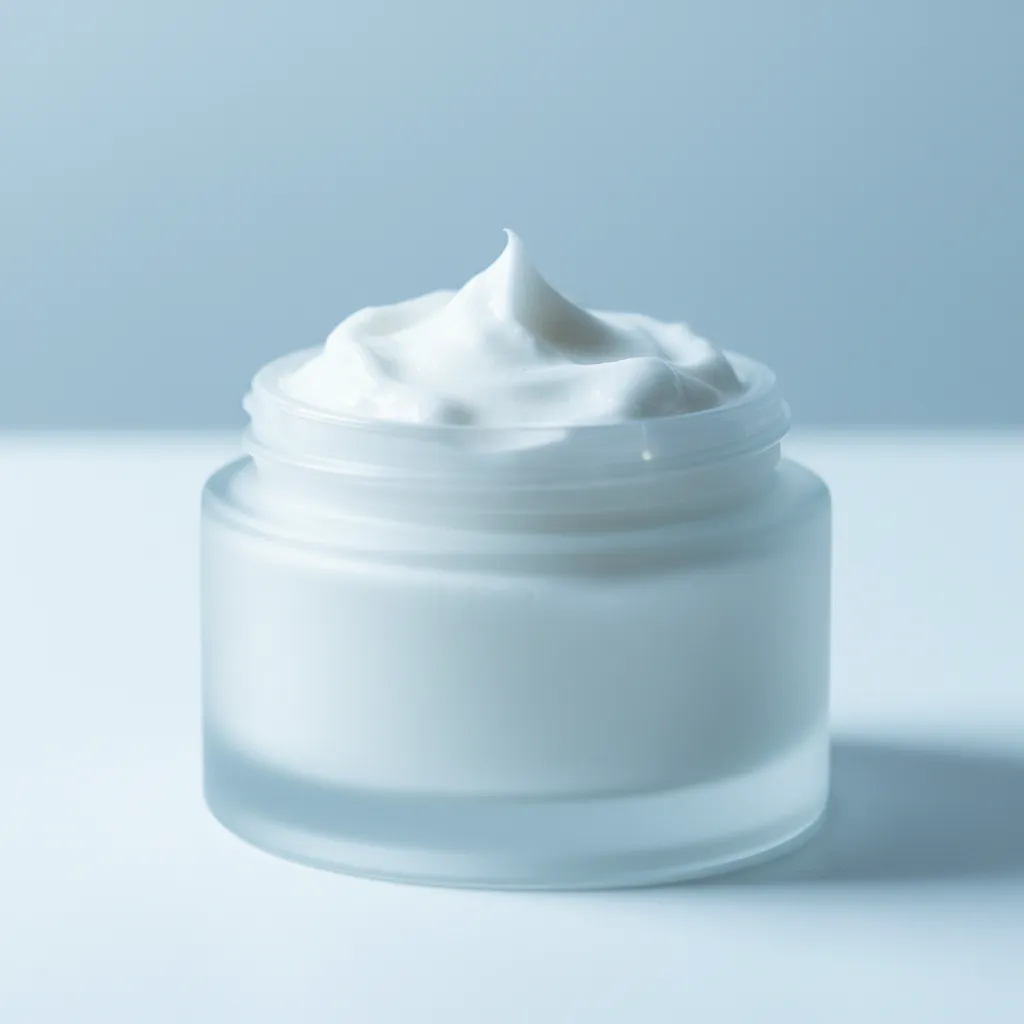
CeraVe Therapeutic Hand Cream
~$11
Sold by Amazon.comShop Now →
Prices last checked on September 27, 2026 and rounded to the dollar. Amazon prices change often; the price shown at checkout is the one that applies.
The Handwashing Frequency Problem
Because hands are washed multiple times daily, a hand cream's real-world effectiveness depends heavily on reapplication frequency, not just formula quality — a superior cream applied once in the morning will generally underperform a mediocre one reapplied after every handwash. This is a genuine behavioral factor worth planning around: keeping a hand cream at every sink or workstation, rather than in one central location, meaningfully improves the odds of actually reapplying after washing, which is often the bigger lever for chronic hand dryness than any specific ingredient swap.
When an Ointment Beats a Cream
For genuinely severe, cracked, or fissured hand skin — the kind associated with occupational exposure (frequent handwashing in healthcare or food service, cold-weather outdoor work) or conditions like hand eczema — a true ointment (very high oil-to-water ratio, minimal water content, heavily occlusive) generally outperforms a standard cream, which contains more water and less pure occlusive coverage. Ointments feel greasier and take longer to absorb, which is a reasonable trade-off for overnight use or serious cracking, but makes them less practical for daytime reapplication between activities — many people benefit from using a lighter cream during the day and a heavier ointment specifically at bedtime.
Top Picks Ranked
CeraVe Therapeutic Hand Cream (~$11 for 3 oz) is the best overall daily pick, combining three ceramides, niacinamide, and hyaluronic acid in a fast-absorbing formula that supports the skin barrier without leaving a greasy residue — a strong default for most hand-dryness severity levels.
O'Keeffe's Working Hands Cream (~$9 for a 3.4 oz jar) is purpose-built for extremely dry, cracked hands, using a glycerin-forward formula specifically engineered to help repair already-damaged skin rather than just maintain normal hydration.
L'Occitane Shea Butter Hand Cream (~$34 for 5.1 fl oz) is the luxury pick, built around a genuinely high (20%) concentration of shea butter for rich, long-lasting hydration in a more elevated sensory experience than the drugstore options in this category.
Aquaphor Healing Ointment (~$13 for 7 oz) is the best budget occlusive option for severe cracking or overnight repair — a water-free, petrolatum-based formula that functions closer to a true ointment than a standard hand cream, best reserved for bedtime or the most damaged skin rather than daytime reapplication.
Frequently Asked Questions
Why do my hands get drier than the rest of my body?+
Hand skin has a thinner protective layer and fewer oil glands than most body skin to begin with, and it's washed far more often — each wash strips some natural oils and disrupts the barrier. The combination means hands lose moisture faster and replenish it more slowly than skin elsewhere.
Should I use a cream or an ointment for cracked hands?+
For genuinely severe, cracked, or fissured skin, a true ointment (high oil content, heavily occlusive, like Aquaphor) generally outperforms a standard cream. Ointments feel greasier and absorb more slowly, which makes them better suited to overnight use than daytime reapplication.
Author
Glowstice Editorial
The Glowstice editorial team consists of skincare researchers, cosmetic chemists, and science writers dedicated to translating peer-reviewed dermatology into practical guidance for curious consumers.