Affiliate disclosure: This article contains Amazon affiliate links. As an Amazon Associate, Glowstice earns from qualifying purchases — at no extra cost to you. Our editorial recommendations are independent of these partnerships. Learn more · How we evaluate products
Quick Picks
Affiliate links: we may earn a commission at no extra cost to you.
| Product | Price | Link |
|---|---|---|
Best Luxury Kiehl's Creme de Corps | ~$39 | Shop Now → |
Best for Rough/Bumpy Skin AmLactin Daily Nourish Body Lotion (12% Lactic Acid) | ~$14 | Shop Now → |
Best Overall CeraVe Moisturizing Lotion | ~$13 | Shop Now → |
Best for Sensitive Skin Aveeno Daily Moisturizing Lotion | ~$10 | Shop Now → |
Best Budget Jergens Ultra Healing Lotion | ~$7 | Shop Now → |
Prices last checked on September 27, 2026 and rounded to the dollar. Amazon prices change often; the price shown at checkout is the one that applies.
Body lotion often gets treated as an afterthought compared to face skincare, but body skin has genuinely different needs — a thicker stratum corneum in most areas, fewer sebaceous (oil) glands on the limbs and trunk than on the face, and the lower legs in particular are both UV-exposed and among the least oil-gland-dense areas of the body, making them especially prone to dryness. This guide explains the real physiological differences and ranks the best formulas by skin need.
How Body Skin Differs From Face Skin
Skin thickness and oil gland density vary considerably across the body. Facial skin, despite being visually delicate, has a high concentration of sebaceous glands, providing natural lipid replenishment. Skin on the trunk and limbs — particularly the lower legs, forearms, and shins — has substantially fewer sebaceous glands relative to its surface area, meaning it relies more heavily on external moisturization and is more prone to visible dryness, flaking, and the rough, 'ashy' texture common in winter months or dry climates.
This is why a rich, occlusive-forward body lotion formula that might feel heavy on the face is often exactly right for the body — the lower oil-gland density means body skin generally tolerates and benefits from richer textures than facial skin does.
Key Barrier-Supportive Ingredients for Body
Ceramides (the same lipid class covered in depth in our ceramide moisturizer guide) are as relevant to body barrier repair as they are to the face — CeraVe's body lotion formulas apply the same ceramide-and-MVE-technology approach used in their face products at a larger, more cost-efficient format.
Colloidal oatmeal is an FDA-recognized skin protectant with genuine anti-inflammatory and barrier-supportive properties, particularly useful for sensitive, eczema-prone, or reactive body skin (Aveeno's entire brand positioning is built around this ingredient).
Urea and lactic acid, at higher concentrations than typically used on the face, are genuinely effective for very rough, dry, or bumpy body skin — both have keratolytic (gentle exfoliating) properties that help resolve buildup of dead skin cells contributing to rough texture, discussed further below.
Related Reading
Editor's Product Picks
Affiliate links — we earn a small commission at no extra cost to you.
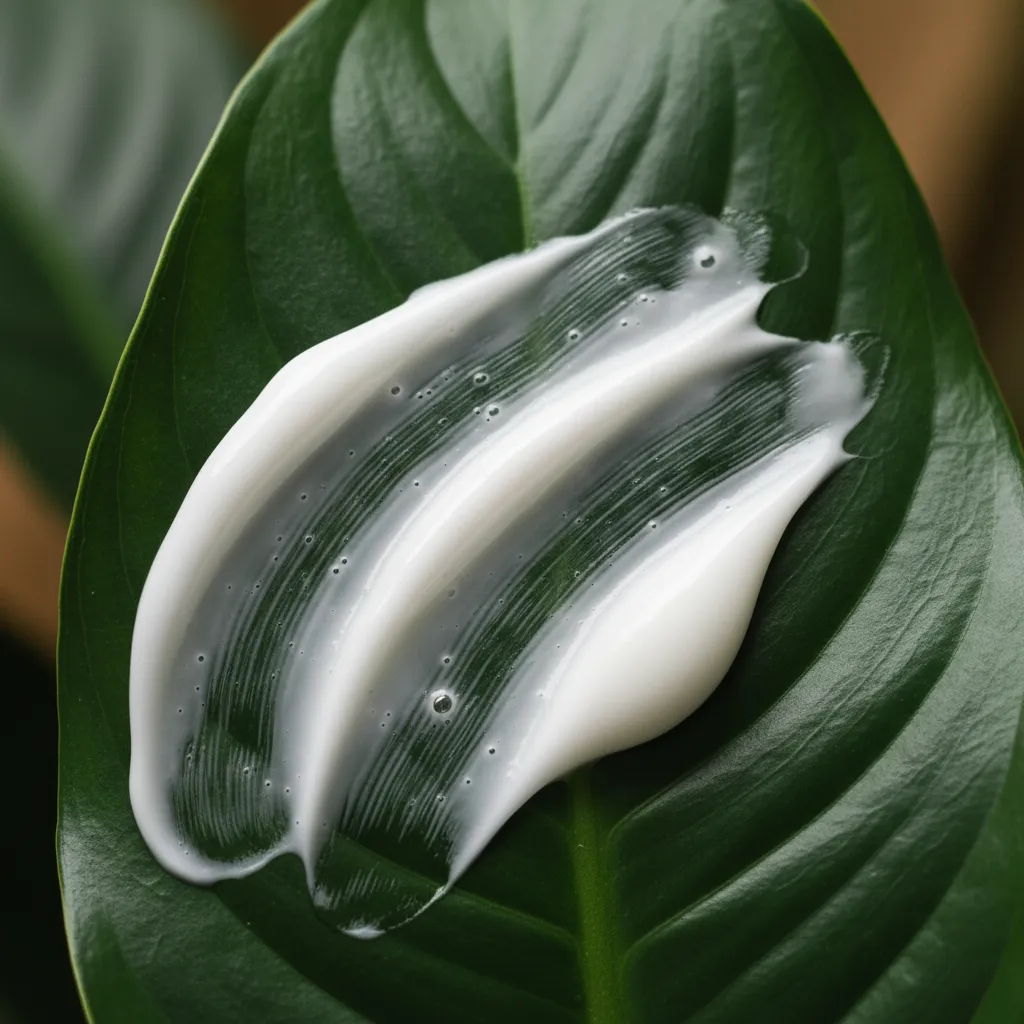
CeraVe Moisturizing Lotion
~$13
Sold by Amazon.comShop Now →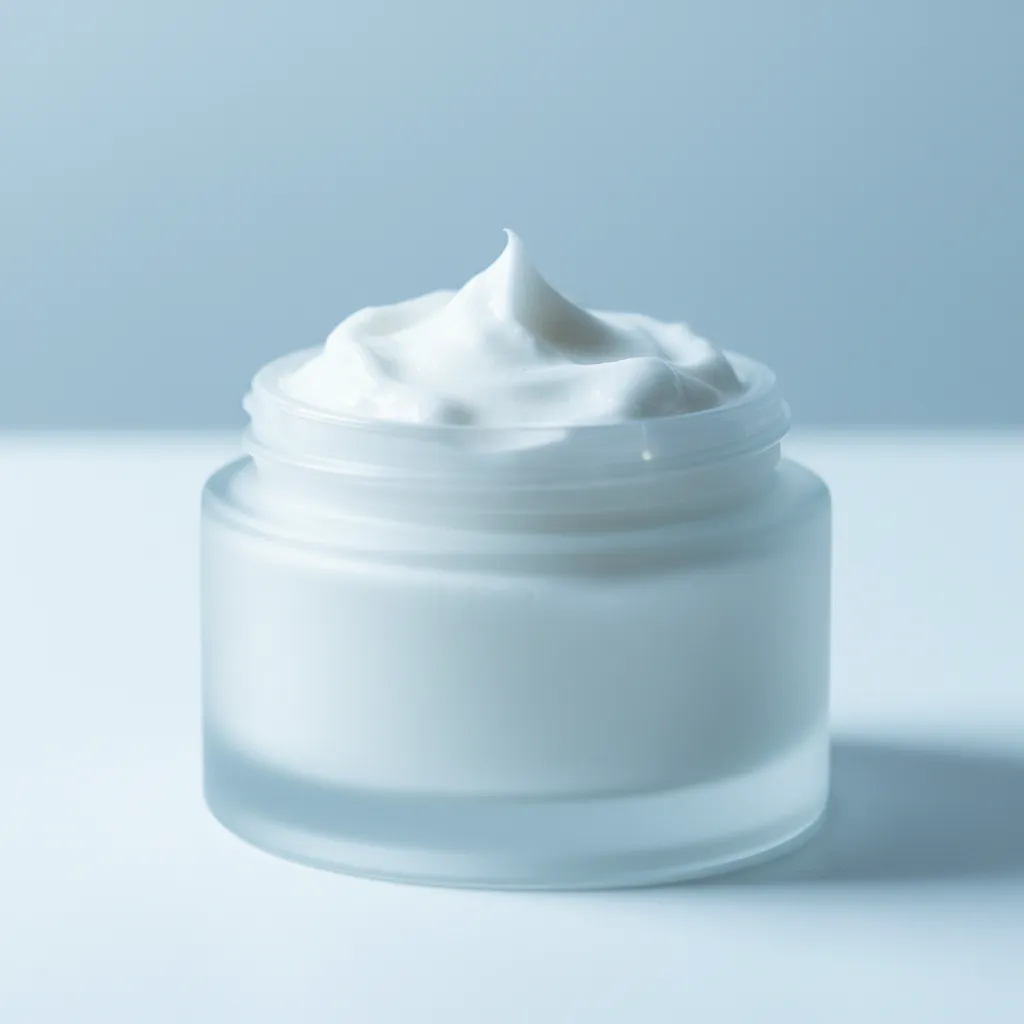
Kiehl's Creme de Corps
~$39
Sold by Kiehl's Since 1851, a third-party sellerShop Now →Prices last checked on September 27, 2026 and rounded to the dollar. Amazon prices change often; the price shown at checkout is the one that applies.
Keratosis Pilaris and Rough Skin: A Distinct Category
Keratosis pilaris (KP) — the small, rough bumps commonly appearing on the upper arms and thighs, caused by keratin buildup around hair follicles — is extremely common and benefits from a genuinely distinct product category: lactic acid or urea-based lotions rather than standard emollient moisturizers. These acids gently dissolve the keratin plugs causing the rough texture, a different mechanism than simple hydration. AmLactin's 12% lactic acid formula is the most recognized dedicated product in this category and has real evidence behind lactic acid's keratolytic action.
Application Timing Matters
Body lotion is most effective applied to slightly damp skin immediately after showering or bathing — the same humectant-sealing principle covered in our hyaluronic acid guide applies here: applying to damp skin allows the lotion to seal in water already on the skin's surface rather than needing to draw moisture from a fully dry surface. This single timing change meaningfully improves the practical hydration benefit of any body lotion, regardless of formula.
Top Picks Ranked
CeraVe Moisturizing Lotion (~$13 for 12 oz) is the best overall pick — ceramides, hyaluronic acid and MVE time-release technology in a genuinely well-formulated, fragrance-free lotion suitable for most skin types and budgets.
Aveeno Daily Moisturizing Lotion (~$10) is the best choice for sensitive or reactive body skin, built around Aveeno's soothing prebiotic oat formula in a fragrance-free lotion.
AmLactin Daily Nourish Body Lotion (~$14; formerly Daily Moisturizing Lotion) is the dedicated pick for rough, bumpy skin or keratosis pilaris — its 12% lactic acid formula addresses keratin buildup directly rather than just adding surface hydration.
Jergens Ultra Healing Lotion (~$7 for 21 oz) is the best true budget pick — a reliable, effective drugstore formula suitable for everyday normal-to-dry skin.
Kiehl's Creme de Corps (~$39) is the premium pick — a rich, cocoa-butter-and-shea-based formula with a long-standing reputation for genuinely superior texture and richness for very dry or mature skin.
Frequently Asked Questions
Why does my body skin get drier than my face?+
The trunk and limbs — especially the lower legs — have substantially fewer sebaceous (oil) glands relative to their surface area than facial skin, meaning they rely more heavily on external moisturization. This is a real physiological difference, not just a perception, and it's why richer, more occlusive lotion formulas that would feel heavy on the face are often appropriate for the body.
What actually helps keratosis pilaris (KP) bumps?+
Lactic acid or urea-based lotions work through a different mechanism than standard moisturizers — they gently dissolve the keratin plugs around hair follicles causing the rough, bumpy texture, rather than just adding surface hydration. AmLactin's 12% lactic acid formula is the most recognized dedicated product for this, with real evidence behind lactic acid's keratolytic action.
Author
Glowstice Editorial
The Glowstice editorial team consists of skincare researchers, cosmetic chemists, and science writers dedicated to translating peer-reviewed dermatology into practical guidance for curious consumers.