Affiliate disclosure: This article contains Amazon affiliate links. As an Amazon Associate, Glowstice earns from qualifying purchases — at no extra cost to you. Our editorial recommendations are independent of these partnerships. Learn more · How we evaluate products
Quick Picks
Affiliate links: we may earn a commission at no extra cost to you.
| Product | Price | Link |
|---|---|---|
Best Luxury Elizabeth Arden Ceramide Capsules Daily Youth Restoring Serum | ~$125 | Shop Now → |
Best Multi-Ceramide Dr. Jart+ Ceramidin Cream | ~$52 | Shop Now → |
Ceramides + Cholesterol + Tripeptide-5 Paula's Choice RESIST Barrier Repair Advanced Moisturizer | ~$45 | Shop Now → |
Best Overall CeraVe Moisturizing Cream | ~$19 | Shop Now → |
NMF Complex: Amino Acids + PCA + HA + Urea The Ordinary Natural Moisturizing Factors + HA | ~$7 | Shop Now → |
Prices last checked on October 16, 2026 and rounded to the dollar. Amazon prices change often; the price shown at checkout is the one that applies.
Ceramides are the structural backbone of the skin barrier — sphingolipids that make up approximately 50% of the stratum corneum's lipid matrix and are fundamental to the lamellar bilayer structure that prevents transepidermal water loss (TEWL) and blocks environmental stressors from reaching living skin tissue. When ceramide levels fall — through UV damage, aging, harsh cleansers, or chronic dehydration — the barrier's ability to hold moisture collapses, and skin becomes tight, red, flaky, and reactive. Restoring ceramide levels with topical moisturizers is one of the most evidence-based interventions in dermatology — but the science is more specific than most products acknowledge. It is not enough to add ceramides to a formula. The ratio of ceramides to cholesterol to fatty acids determines whether the applied lipids integrate into the skin's lamellar bilayer or simply sit on the surface as an occlusive film. The landmark work of dermatologist Dr. Peter Elias at UCSF established the critical importance of this 1:1:1 molar ratio for functional bilayer reconstitution. This ranking evaluates five ceramide moisturizers by lipid formulation science, specific ceramide types included, supporting actives, and clinical evidence for barrier restoration.
Ceramide Science: The Skin's Structural Lipids
Ceramides are a class of sphingolipids — molecules consisting of a sphingosine backbone linked to a fatty acid via an amide bond. In the stratum corneum (the skin's outermost cellular layer), ceramides exist as free molecules and as part of the cornified envelope — a structural protein-lipid scaffold that provides mechanical strength and barrier function to each corneocyte (dead skin cell).
The human stratum corneum contains at least 12 structurally distinct ceramide classes, classified by the nature of their head group and fatty acid chain. The most clinically relevant for topical application are Ceramide EOP (Ceramide 1), Ceramide NS (Ceramide 2), Ceramide NP (Ceramide 3), Ceramide AS (Ceramide 4), and Ceramide AP (Ceramide 6-II). Each plays a distinct structural role in the lamellar bilayer organization:
Ceramide EOP (1) is unusual in its ultra-long fatty acid chain (30–34 carbons) and its role as a scaffold molecule that links protein envelopes to the lipid lamellae. Loss of Ceramide 1 disproportionately destabilizes barrier structure because it connects two architectural elements that must communicate for the barrier to function.
Ceramide NP (3) is the most abundant ceramide in healthy stratum corneum and the one most directly correlated with barrier integrity in research studies. Skin biopsies in eczema patients consistently show Ceramide 3 depletion as one of the earliest and most consistent findings.
Ceramide AP (6-II) provides flexibility to the lamellar structure, preventing it from becoming too rigid and brittle under varying temperature and humidity conditions. This ceramide is present in the Dr. Jart+ Ceramidin 5-Cera complex alongside Ceramides 1, 2, 3, and 5.
CeraVe's formulation uses Ceramides 1, 3, and 6-II — chosen to provide EOP scaffold function, maximal NP abundance, and AP flexibility in combination. This three-ceramide mix was developed in collaboration with dermatologists specifically to replicate the structural diversity of naturally occurring ceramide composition.
The 1:1:1 Lipid Ratio: Why Ceramides Alone Aren't Enough
The most important insight from ceramide barrier research — one that most product marketing ignores entirely — is that ceramides are ineffective in isolation for barrier reconstitution. The skin's lamellar bilayer is a precisely organized structure requiring three lipid classes in approximately equal molar proportions:
Ceramides (~50% by mass of SC lipids): Provide the fundamental bilayer scaffold and water barrier function. Cholesterol (~25% by mass): Essential for fluidity control and lamellar phase behavior. Cholesterol maintains the lipid bilayer in a fluid crystalline state that allows the membrane to function as both barrier and dynamic envelope. Without adequate cholesterol, ceramide-rich bilayers become too rigid and brittle — paradoxically reducing barrier effectiveness. Fatty Acids (~15% by mass, primarily free long-chain fatty acids including linoleic, oleic, and palmitic acids): Required for proper lamellar organization and for integration of ceramides into the bilayer structure. Fatty acid deficiency — particularly linoleic acid deficiency — is associated with scaly, barrier-compromised skin even when ceramide levels are adequate.
The work of Dr. Peter Elias and colleagues at UCSF demonstrated in barrier-disruption models that topical application of the 1:1:1 ceramide:cholesterol:fatty acid mixture reconstituted barrier function significantly faster and more completely than any single lipid class applied alone. This finding is the scientific rationale for including all three lipid classes in a well-formulated ceramide moisturizer.
Products that contain only ceramides — without matching cholesterol and fatty acid co-delivery — may improve surface feel and reduce acute TEWL but do not fully reconstitute lamellar bilayer organization. Look for moisturizers that include cholesterol and fatty acids (caprylic/capric triglycerides, linoleic acid, oleic acid) alongside their ceramide listing.
Related Reading
Editor's Product Picks
Affiliate links — we earn a small commission at no extra cost to you.
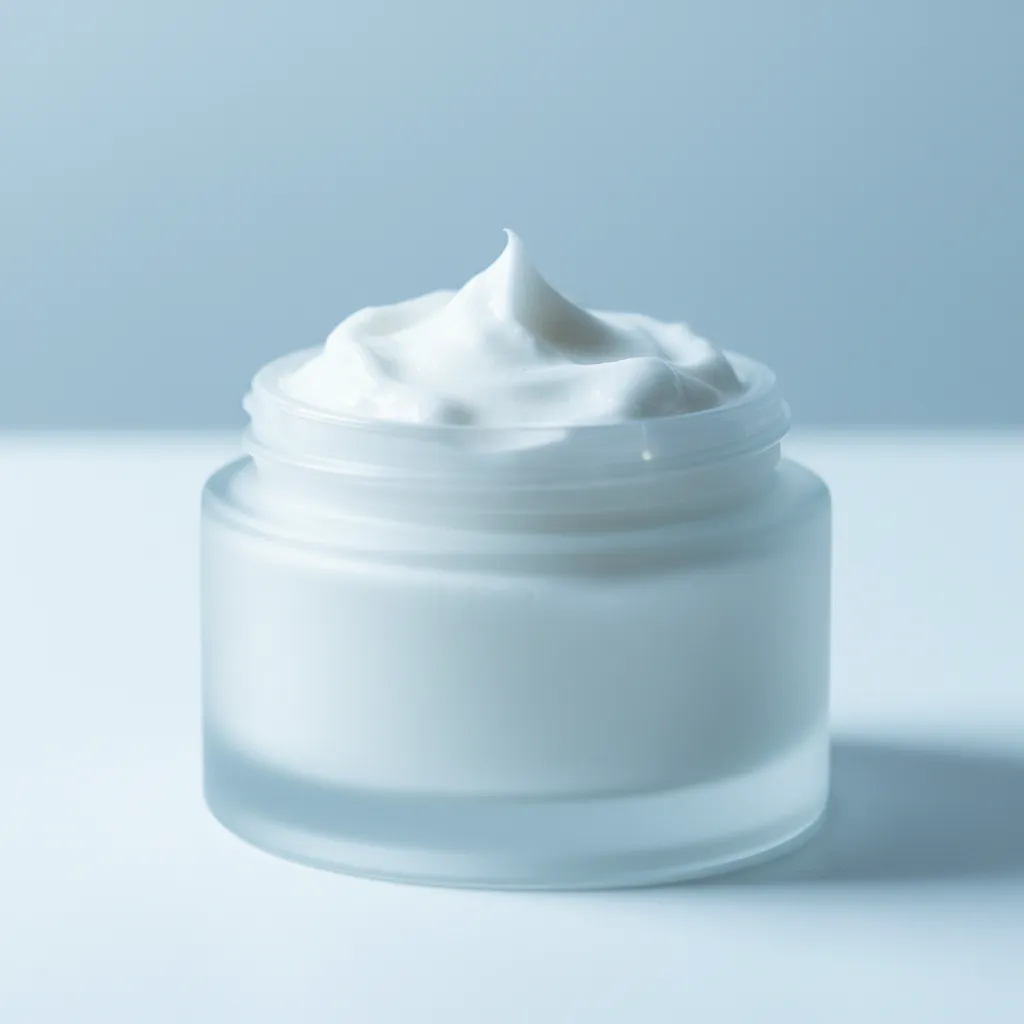
CeraVe Moisturizing Cream
~$19
Sold by Amazon.comShop Now →
Elizabeth Arden Ceramide Capsules Daily Youth Restoring Serum
~$125
Sold by Amazon.comShop Now →
The Ordinary Natural Moisturizing Factors + HA
~$7
Sold by Amazon.comShop Now →
Paula's Choice RESIST Barrier Repair Advanced Moisturizer
~$45
Sold by Paula's Choice Skincare, a third-party sellerShop Now →Prices last checked on October 16, 2026 and rounded to the dollar. Amazon prices change often; the price shown at checkout is the one that applies.
How Ceramides Deplete (and What to Do About It)
Understanding the causes of ceramide depletion helps both in selecting appropriate treatment and in preventing future damage:
UV Radiation: Ultraviolet B (UVB) radiation directly damages sphingomyelinase — the enzyme that synthesizes ceramides in the skin. A single acute sunburn can reduce stratum corneum ceramide levels by 30–40% and impair barrier function for 7–14 days after the visible burn has resolved. This is one of the strongest arguments for daily SPF use independent of cosmetic concerns.
Harsh Cleansers (SLS/SLES): Sodium lauryl sulfate (SLS) and to a lesser extent sodium laureth sulfate (SLES) physically extract ceramides from the stratum corneum during washing by solubilizing the lipid bilayer. Barrier disruption from twice-daily SLS-containing cleanser use is detectable by TEWL measurement within 3 days of starting use. Switching to cream or oil cleansers and ceramide-containing cleansers significantly reduces this lipid stripping.
Retinoids: Topical retinoids (tretinoin and retinol) accelerate epidermal turnover, which can temporarily reduce the time available for proper ceramide synthesis during corneocyte differentiation. This is a primary mechanism of retinoid-associated dryness and barrier disruption. Pairing retinoids with ceramide moisturizers is the evidence-based mitigation strategy — and the reason ceramide moisturizers are universally recommended for retinoid users.
Aging: Ceramide synthesis declines approximately 30% between ages 30 and 80 as sphingomyelinase activity and fatty acid synthesis in keratinocytes both decrease. Post-menopausal skin shows accelerated ceramide depletion due to the loss of estrogen's stimulatory effect on sphingolipid synthesis.
Atopic Dermatitis (Eczema): Filaggrin gene mutations — present in 30% of people with atopic dermatitis — reduce the production of natural moisturizing factor and the enzymatic processing that generates ceramide precursors. This is why ceramide-based moisturizers are first-line recommendations in eczema management protocols from the American Academy of Dermatology.
Ingredients That Enhance Ceramide Efficacy
Certain supporting ingredients dramatically increase the clinical effectiveness of ceramide moisturizers — either by stimulating endogenous ceramide synthesis, improving penetration, or addressing complementary barrier mechanisms:
Niacinamide (Vitamin B3): Upregulates ceramide synthesis in keratinocytes by increasing ceramide synthase activity. Clinical studies show that topical niacinamide increases stratum corneum ceramide levels independent of any externally applied ceramides. Products combining exogenous ceramides with niacinamide address both replenishment and production — a stronger total barrier strategy.
Pseudoceramides: Synthetic ceramide analogs that behave identically to natural ceramides in the lipid bilayer but are more stable and easier to formulate at high concentrations. Cerave's ceramides are a combination of natural and pseudoceramide structures. Dr. Jart+ Ceramidin uses phyto-ceramides (plant-derived) alongside synthetic variants.
Omega Fatty Acids (especially Linoleic Acid): Linoleic acid (omega-6) is an essential precursor for acylceramide synthesis — the ceramide subtype most critical for barrier impermeability. Topical linoleic acid deficiency is associated with barrier dysfunction even when total ceramide levels are adequate.
Panthenol (Pro-Vitamin B5): Stimulates keratinocyte proliferation and migration, accelerating the natural process of new skin cell formation and ceramide synthesis. Synergistic with ceramide replenishment — panthenol speeds up the cellular machinery that makes new ceramides while the topical formula supplies immediate lipid material.
Hyaluronic Acid: Provides the water reservoir in the epidermis for ceramide-organized bilayers to function optimally. Ceramide barriers are more effective at preventing TEWL when the epidermis is adequately hydrated — HA and ceramides work as complementary layers of the barrier system.
Top 5 Ceramide Moisturizers: How They Compare
CeraVe Moisturizing Cream (~$19 for 19 oz) is the clinician-recommended standard: ceramides 1, 3, and 6-II alongside cholesterol and fatty acids, in the three-lipid approach Dr. Elias's research supports (CeraVe does not publish its exact ratio). The patented MVE (multivesicular emulsion) technology delivers ceramides in a time-release manner — slowly releasing lipids over 24 hours rather than depositing them all at once. At this price point, CeraVe Moisturizing Cream is the highest-value ceramide moisturizer in any category and the product recommended most frequently by dermatologists for eczema, retinoid support, and dry skin.
Dr. Jart+ Ceramidin Cream (~$52) offers the most ceramide diversity of any product in this ranking: a 5-Cera complex including ceramides 1, 2, 3, 5, and 6. This five-ceramide system provides the most comprehensive coverage of the major ceramide structural classes. The formula is also significantly richer than CeraVe — better suited to dry-to-very-dry skin, winter routines, or overnight repair use. Panthenol and glycerin add complementary humectant hydration.
Elizabeth Arden Ceramide Capsules Daily Youth Restoring Serum (~$125 for 90 capsules) takes a unique delivery approach: encapsulating ceramides in sealed single-dose capsules, protected from light and air until the moment of application. Each capsule contains one dose of the formula — eliminating oxidation and contamination concerns for these stability-sensitive actives. The serum texture is lightweight compared to the cream picks, making it suitable for oily skin types who need ceramide support without heavy moisturization.
The Ordinary Natural Moisturizing Factors + HA (~$7 for 30 ml) is technically not a ceramide product — but it delivers the NMF (natural moisturizing factors) that support the stratum corneum environment in which ceramides function. Amino acids, PCA, hyaluronic acid, urea, and glycerin replicate the water-binding components of the SC alongside ceramide use. Best applied under a ceramide cream rather than as a standalone.
Paula's Choice RESIST Barrier Repair Advanced Moisturizer (~$45) replaces the Omega+ Complex Moisturizer, which isn't listed on Amazon. It pairs skin-identical ceramides with cholesterol — two of the three barrier lipids discussed above — plus tripeptide-5 and watermelon seed oil, in a lightweight cream. Best for combination and aging skin types who need barrier repair without heavy cream weight.
Author
Glowstice Editorial
The Glowstice editorial team consists of skincare researchers, cosmetic chemists, and science writers dedicated to translating peer-reviewed dermatology into practical guidance for curious consumers.