Affiliate disclosure: This article contains Amazon affiliate links. As an Amazon Associate, Glowstice earns from qualifying purchases — at no extra cost to you. Our editorial recommendations are independent of these partnerships. Learn more · How we evaluate products
Quick Picks
Affiliate links: we may earn a commission at no extra cost to you.
| Product | Price | Link |
|---|---|---|
Best Overall Paula's Choice 10% Azelaic Acid Booster | ~$42 | Shop Now → |
Azelaic Acid 10% + Niacinamide Naturium Azelaic Acid Emulsion 10% | ~$20 | Shop Now → |
Azelaic Acid 10% The INKEY List SuperSolutions Azelaic Acid 10% Serum | ~$20 | Shop Now → |
Best Budget The Ordinary Azelaic Acid Suspension 10% | ~$11 | Shop Now → |
15% Azelaic Acid Derivative + Niacinamide + Centella KisoCare 15% Azelaic Acid Serum | Brand site | Shop direct → |
Prices last checked on September 27, 2026 and rounded to the dollar. Amazon prices change often; the price shown at checkout is the one that applies.
Azelaic acid is among the most underrated actives in skincare — routinely overlooked in favour of vitamin C, niacinamide, and retinol despite operating through five distinct and clinically validated mechanisms. It brightens hyperpigmentation, kills acne-causing bacteria, calms rosacea-related inflammation, unclogs pores, and inhibits the keratinocyte proliferation that drives papulopustular rosacea lesions. No other single ingredient delivers this range of action. Prescription azelaic acid (15–20%) has been FDA-approved since 1995 for acne and since 2002 for rosacea. Over-the-counter formulations at 10% are readily available and meaningfully effective — multiple studies demonstrate that 10% azelaic acid produces significant improvements in inflammatory acne and rosacea comparable to 15% Rx strength, though full Rx strength retains an efficacy advantage for severe presentations. This ranking focuses entirely on 10% OTC formulations, which represent the most accessible and evidence-supported category. We evaluated each on vehicle design (cream vs. gel vs. suspension affects penetration), supporting actives, fragrance-free status, and tolerability for sensitive skin types.
Azelaic Acid's Five Mechanisms of Action
Understanding why azelaic acid works across so many skin concerns requires examining its five independent biological mechanisms — each of which is clinically demonstrated and operates through distinct pathways:
1. Tyrosinase Inhibition (Brightening): Azelaic acid competitively inhibits tyrosinase, the rate-limiting enzyme in melanin synthesis. By blocking tyrosinase activity, it reduces melanin production in hyperpigmented areas — including post-inflammatory hyperpigmentation (PIH) from acne, melasma, and UV-induced dark spots. Unlike hydroquinone, it inhibits only the abnormally active tyrosinase in hyperpigmented cells while leaving normally functioning melanocytes largely unaffected. This selective action means it is safe for all Fitzpatrick skin tones including VI without the ochronosis risk associated with hydroquinone.
2. Antibacterial Activity (Acne): Azelaic acid exerts direct antibacterial activity against Cutibacterium acnes (formerly Propionibacterium acnes) — the anaerobic bacterium implicated in inflammatory acne — by inhibiting bacterial protein synthesis and disrupting cell membrane integrity. Critically, azelaic acid does not induce antibiotic resistance, a growing clinical concern with tetracycline and clindamycin-based acne treatments.
3. Anti-Inflammatory Activity (Rosacea + Acne): Azelaic acid inhibits reactive oxygen species (ROS) generation in neutrophils — white blood cells that arrive at sites of inflammatory acne and rosacea lesions and release ROS in a process called the 'oxidative burst.' By reducing ROS, azelaic acid calms the inflammatory response that converts comedones into papules and pustules.
4. Comedolytic Action (Pore Clearing): Azelaic acid normalizes keratinization in the follicular canal — the process by which dead skin cells are shed from the pore lining. Abnormal keratinization (dyskeratosis) creates the impaction of dead cells and sebum that forms comedones. By promoting normal cellular turnover in the follicle, azelaic acid prevents comedone formation.
5. Antiproliferative Effect (Rosacea): In rosacea, keratinocytes in affected areas exhibit abnormally high proliferation rates that drive thickening of facial skin (particularly the nose) and papulopustular lesion formation. Azelaic acid selectively inhibits this aberrant proliferation without affecting normally dividing cells — the mechanism underlying its FDA indication for rosacea.
Concentrations: OTC 10% vs Prescription 15–20%
Azelaic acid's regulatory landscape differs significantly from other cosmetic actives:
10% OTC (Over-the-Counter): Available without a prescription in the US, EU, and most markets. Multiple double-blind RCTs confirm 10% azelaic acid produces significant improvements in mild-to-moderate inflammatory acne, PIH, and papulopustular rosacea. The vehicle matters enormously at 10% — a well-formulated gel or cream vehicle at 10% significantly outperforms a poorly penetrating suspension at the same concentration.
15% Prescription Gel (Finacea): FDA-approved specifically for rosacea. Clinical trials demonstrate superiority over 10% for severe papulopustular rosacea. Requires dermatologist prescription.
20% Prescription Cream (Azelex): FDA-approved for acne vulgaris. The reference standard for clinical studies. Demonstrated to be equivalent to 0.05% tretinoin cream for mild-to-moderate acne in head-to-head trials, with better tolerability profile and no photosensitization.
For most consumers without a dermatologist prescription, well-formulated 10% OTC azelaic acid products deliver meaningful clinical benefit for the majority of concerns. The 15–20% Rx range provides added benefit primarily for moderate-to-severe inflammatory presentations where OTC strength produces incomplete clearance.
Note on pH: Azelaic acid is a dicarboxylic acid with a mild pH around 4.5–5.5 — considerably higher than AHAs (pH 3.0–4.0) and vitamin C (pH 2.5–3.5). This makes it one of the most tolerable acids in skincare, typically causing only mild tingling on first application rather than the stinging associated with lower-pH actives.
Related Reading
Editor's Product Picks
Affiliate links — we earn a small commission at no extra cost to you.
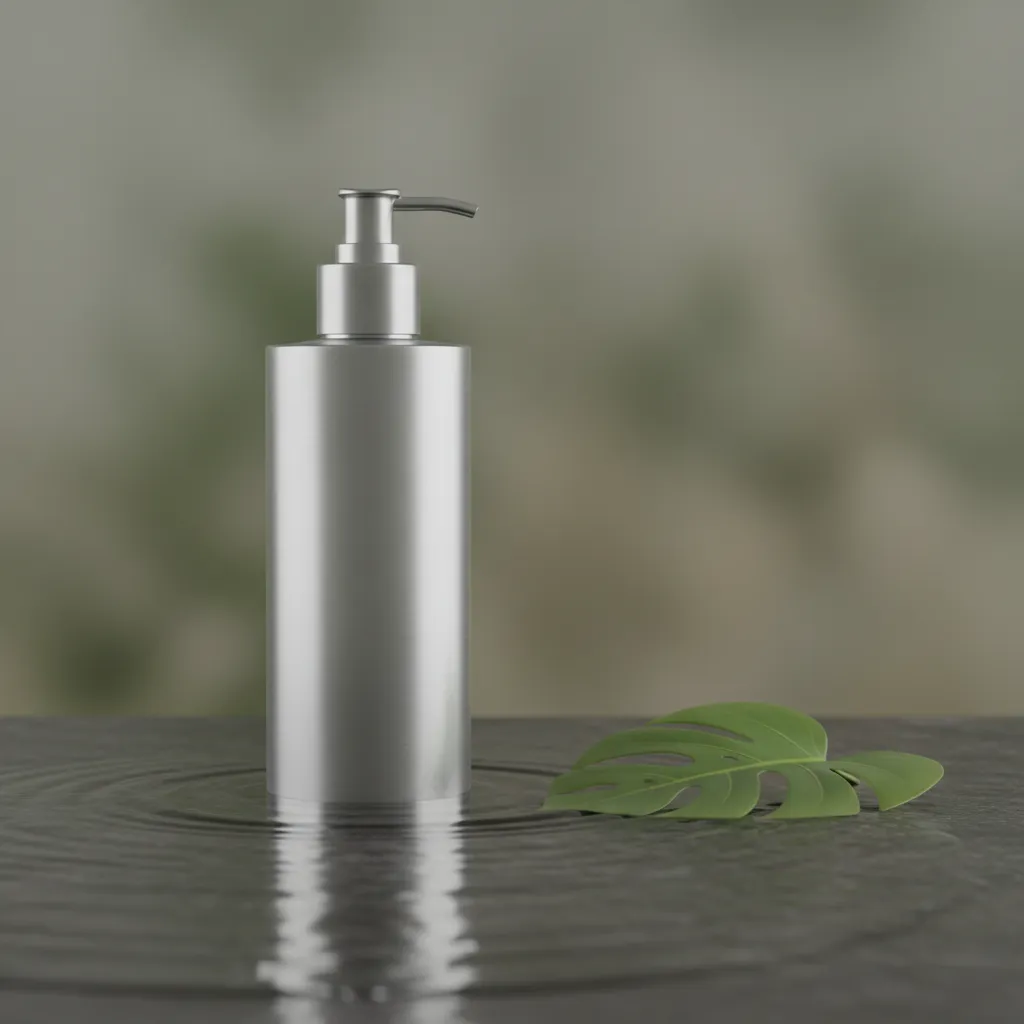
Paula's Choice 10% Azelaic Acid Booster
~$42
Sold by Paula's Choice Skincare, a third-party sellerShop Now →
The Ordinary Azelaic Acid Suspension 10%
~$11
Sold by Amazon.comShop Now →
Naturium Azelaic Acid Emulsion 10%
~$20
Sold by Amazon.comShop Now →
The INKEY List SuperSolutions Azelaic Acid 10% Serum
~$20
Sold by Amazon.comVersed's Smooth Landing serum is no longer listed, so this is the closest equivalent: The INKEY List SuperSolutions Azelaic Acid 10% Serum.Shop Now →
KisoCare 15% Azelaic Acid Serum
Price on brand site
Currently unavailable on Amazon, so this links KisoCare's own store.Not sold on Amazon. We earn nothing from this link.Buy direct from KisoCare →Prices last checked on September 27, 2026 and rounded to the dollar. Amazon prices change often; the price shown at checkout is the one that applies.
Who Benefits Most From Azelaic Acid
Azelaic acid is uniquely versatile across skin types and concerns, but certain profiles gain the most from it:
Rosacea-Prone Skin: Azelaic acid's FDA-approved indication for rosacea reflects its unmatched combination of anti-inflammatory, antiproliferative, and vascular-calming activity. For those managing papulopustular rosacea — characterized by persistent redness, flushing, and inflammatory bumps — consistent use of 10–15% azelaic acid is among the most evidence-based OTC interventions available.
Acne + PIH Combination: Few actives simultaneously treat active breakouts and fade the dark marks they leave behind. Azelaic acid does both — its antibacterial and comedolytic activity addresses current lesions while tyrosinase inhibition progressively lightens PIH. This dual action makes it particularly valuable for darker skin tones (Fitzpatrick III–VI) where PIH is more persistent and potentially worsened by more aggressive brightening approaches.
Pregnancy-Safe Skincare: Azelaic acid holds a Category B pregnancy safety rating — animal studies show no fetal harm, and it has a long record of use in pregnant patients with acne. With retinoids (Category X), salicylic acid (Category C), and hydroquinone (limited safety data) off-limits during pregnancy, azelaic acid becomes one of the few clinically effective actives available. This makes it an extremely important ingredient for pregnant individuals managing acne or rosacea.
Sensitive and Reactive Skin: The combination of gentle pH (≥4.5), anti-inflammatory mechanism, and mild side effect profile makes azelaic acid suitable for skin that cannot tolerate retinoids, acids, or benzoyl peroxide.
Ingredient Compatibility Guide
Azelaic acid's gentle pH and non-sensitizing mechanism make it one of the most compatible actives in skincare — but optimal layering still requires attention to formulation interactions:
With Niacinamide: Excellent combination. Both address hyperpigmentation via different mechanisms (niacinamide inhibits melanosome transfer; azelaic acid inhibits tyrosinase) — synergistic brightening with minimal irritation. Either can be used first; allow each product to absorb before applying the next.
With Retinol/Retinoids: Compatible via different mechanisms. Apply retinoid first (on dry skin) and allow 20–30 minutes for absorption before applying azelaic acid, or separate morning/evening — azelaic acid AM (no photosensitization), retinoid PM. The azelaic acid's anti-inflammatory activity can actually help buffer retinoid-related irritation in sensitive skin.
With Vitamin C (L-ascorbic acid): Use separately by time of day. Both are acids; applying simultaneously can increase tingling and potential irritation. Vitamin C AM for antioxidant photoprotection; azelaic acid PM for brightening and barrier repair.
With AHAs/BHAs: Avoid layering in the same application step — combining multiple acids can over-compromise the barrier. Use AHA/BHA on alternating evenings with azelaic acid, or use azelaic acid exclusively for sensitive skin types that cannot tolerate exfoliating acids alongside it.
With Moisturizers + SPF: Azelaic acid does not cause photosensitization (unlike retinoids and AHAs) and is fully safe in AM or PM use. Always follow with SPF in the morning — not because azelaic acid requires it, but because UV exposure degrades the tyrosinase inhibition benefits by triggering new melanin production.
Top Azelaic Acid Products: How They Compare
Paula's Choice 10% Azelaic Acid Booster (~$42) sets the benchmark: a lightweight, oil-free cream-gel that can be mixed with moisturizer or applied directly, with a little salicylic acid (BHA) alongside the azelaic acid. Paula's Choice formulates it without fragrance — important for a product targeting sensitive, rosacea-prone skin — and it is compatible with virtually all other skincare products in a routine.
The Ordinary Azelaic Acid Suspension 10% (~$11) is the highest-value option in the category. The suspension form means azelaic acid particles are dispersed in a silicone-water emulsion rather than fully dissolved — this is common at 10%+ concentrations because azelaic acid's limited water solubility makes true solutions difficult. The texture is slightly gritty but absorbs cleanly. Performance is comparable to premium products for most users.
Naturium Azelaic Acid Emulsion 10% ($20) offers the most elegant texture in the category — a lightweight cream-gel emulsion that applies and absorbs like a moisturizer. The addition of niacinamide (brightening synergy) makes this formula particularly effective for PIH and melasma-focused users.
The INKEY List SuperSolutions Azelaic Acid 10% Serum ($20) replaces Versed's Smooth Landing serum, which is no longer listed on Amazon. It was created with dermatologists for redness-prone skin and adds micro-fine green-tinted particles that help mask redness; The INKEY List says it layers without leaving a white or 'crispy' residue.
KisoCare 15% Azelaic Acid Serum has the highest number on the label, but read it closely: KisoCare's 15% refers to an azelaic acid derivative, combined with niacinamide and centella, not 15% azelaic acid itself, so it is not equivalent to prescription-strength 15% azelaic acid. It is currently unavailable on Amazon, so our button goes to KisoCare's own store. For users who have used 10% consistently without the results they want, the real next step is a prescription option like Finacea (15% gel) or Azelex (20% cream) through a dermatologist.
Author
Glowstice Editorial
The Glowstice editorial team consists of skincare researchers, cosmetic chemists, and science writers dedicated to translating peer-reviewed dermatology into practical guidance for curious consumers.