Affiliate disclosure: This article contains Amazon affiliate links. As an Amazon Associate, Glowstice earns from qualifying purchases — at no extra cost to you. Our editorial recommendations are independent of these partnerships. Learn more · How we evaluate products
Quick Picks
Affiliate links: we may earn a commission at no extra cost to you.
| Product | Price | Link |
|---|---|---|
Best for Hydration Torriden Dive-In Low Molecular Hyaluronic Acid Toner Pad | ~$26 | Shop Now → |
Best for Sensitive Skin Anua Heartleaf 77% Clear Pad | ~$22 | Shop Now → |
Best Overall COSRX One Step Original Clear Pad | ~$20 | Shop Now → |
Best for Brightening Numbuzin No.5 Vitamin-Niacinamide Concentrated Toner Pad | ~$15 | Shop Now → |
Best Textured Exfoliation Neogen Bio-Peel Gauze Peeling Pad (Green Tea) | ~$12 | Shop Now → |
Prices last checked on September 27, 2026 and rounded to the dollar. Amazon prices change often; the price shown at checkout is the one that applies.
Toner pads are one of the most distinctly K-beauty product formats — pre-soaked cotton pads meant to replace the splash-a-toner-into-your-hands step with a single swipe. What's easy to miss is that most premium Korean toner pads are doing two separate jobs at once: delivering a chemical formula (acids, ferments, soothing extracts) while the pad's own texture provides mild physical exfoliation. Understanding both halves of that mechanism changes how you should actually use them.
What Toner Pads Actually Do
A toner pad is a cotton (or cotton-blend) pad pre-saturated with a liquid toner formula, packaged in a jar or pouch so the pad stays soaked until use. Functionally, it replaces pouring toner into your palms or a separate cotton pad — the formula and the applicator are sold as one unit. This isn't purely a convenience gimmick: because the pad is pre-measured and pre-soaked, product distribution across the pad tends to be more even than hand-application, and the swiping motion itself provides a light mechanical cleansing pass over the skin's surface before the toner sinks in.
Embossed vs. Smooth: Why Texture Matters
Most higher-end Korean toner pads are dual-textured — one side embossed with a raised, often diamond or dot pattern, the other side smooth. The embossed side is designed for light mechanical exfoliation: swiping it across skin helps lift dead skin cells, residual makeup, and surface debris left after cleansing, similar in principle to a very mild physical scrub but far gentler and less abrasive. The smooth side is then used to pat the same formula into the skin without further mechanical action — ideal for reactive areas or as a final, calming pass. Western toner pads are typically single-texture (usually smooth cotton), which is part of why the K-beauty dual-texture format is specifically called out as a differentiator in this category.
Related Reading
Editor's Product Picks
Affiliate links — we earn a small commission at no extra cost to you.
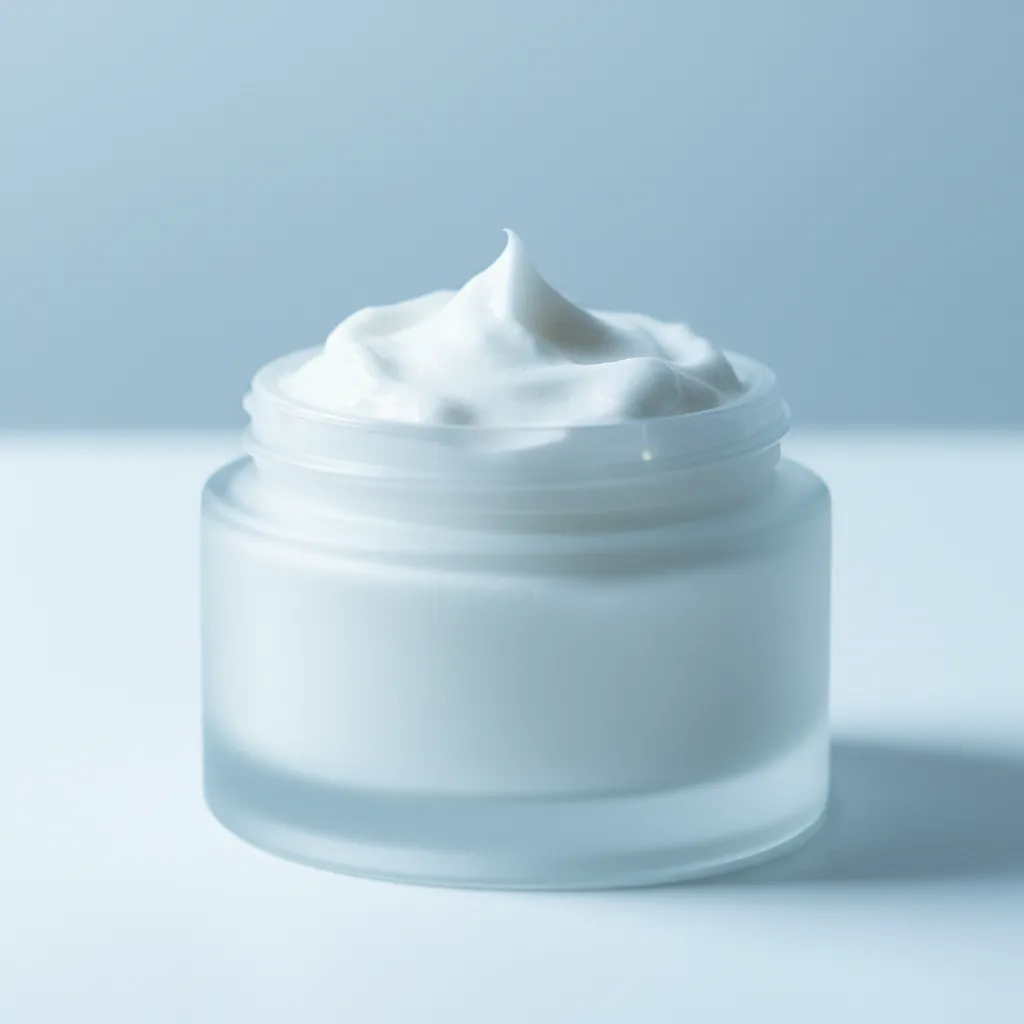
COSRX One Step Original Clear Pad
~$20
Sold by COSRX, a third-party sellerShop Now →
Torriden Dive-In Low Molecular Hyaluronic Acid Toner Pad
~$26
Sold by TORRIDEN, a third-party sellerShop Now →
Anua Heartleaf 77% Clear Pad
~$22
Sold by Anua, a third-party sellerShop Now →
Numbuzin No.5 Vitamin-Niacinamide Concentrated Toner Pad
~$15
Sold by numbuzin Official, a third-party sellerShop Now →
Neogen Bio-Peel Gauze Peeling Pad (Green Tea)
~$12
Sold by NEOGEN DERMALOGY, a third-party sellerShop Now →Prices last checked on September 27, 2026 and rounded to the dollar. Amazon prices change often; the price shown at checkout is the one that applies.
The Chemical + Physical Combination
Because the embossed texture is providing physical exfoliation on top of whatever chemical actives are soaked into the pad — BHA, PHA, glycolic acid, or simply hydrating humectants with no exfoliating acid at all — it's worth reading the ingredient list rather than assuming all toner pads are equally strong. A PHA or gluconolactone-based pad paired with gentle mechanical texture is genuinely appropriate for daily use on most skin types; a stronger glycolic or salicylic acid pad with the same textured surface is providing meaningfully more combined exfoliation and should be introduced more gradually, particularly for sensitive or barrier-compromised skin.
How Often to Use Toner Pads
For gentle, hydration-focused pads with minimal or no exfoliating acid, daily AM and PM use is generally fine for most skin types. For pads containing meaningful concentrations of BHA, AHA, or PHA, starting at 2–3 times per week and monitoring for irritation before increasing frequency is the safer approach — the same acid-tolerance-building logic that applies to any leave-on exfoliant. Using the embossed side nightly on skin that's also using retinoids or other strong actives can be more irritating than the ingredient list alone would suggest, since the mechanical exfoliation compounds with the chemical one; alternating textured and smooth sides, or skipping the textured side on retinoid nights, is a reasonable way to manage this.
Top Picks Ranked
COSRX One Step Original Clear Pad (~$20 for 70 pads) is the category's best-known entry — a 1% BHA (betaine salicylate) and willow bark water formula on a dual-textured pad, widely regarded as a gentle enough daily option for most combination and oily skin types.
Torriden Dive-In Low Molecular Hyaluronic Acid Toner Pad (~$26 for 80 pads) skips exfoliating acids entirely in favor of five molecular weights of hyaluronic acid plus panthenol and allantoin — the pick for anyone wanting the toner-pad format purely for hydration layering, safe for daily use on sensitive or dry skin.
Anua Heartleaf 77% Clear Pad (~$22 for 70 pads) leans on 77% heartleaf (houttuynia cordata) water with PHA and centella, a calming ingredient well-suited to redness-prone or reactive skin that still wants a light daily exfoliating pass.
Numbuzin No.5 Vitamin-Niacinamide Concentrated Toner Pad (~$15 for 70 pads) combines niacinamide and glutathione with PHA, LHA, panthenol and ceramides for a brightening-focused formula, best suited to those specifically targeting dullness and uneven tone.
Neogen Bio-Peel Gauze Peeling Pad (~$12 for 8 pads) uses a genuinely coarser gauze-style dual texture than most competitors, paired with green tea — a stronger physical-exfoliation pick for those who want a more noticeable textured pass, best started at 2–3× weekly rather than daily.
Frequently Asked Questions
What's the difference between the two sides of a toner pad?+
Most premium Korean toner pads are dual-textured: an embossed side for light mechanical exfoliation (lifting dead skin and surface debris) and a smooth side for patting the same formula in without further mechanical action. Western toner pads are typically single-texture, smooth cotton only.
How often should I use exfoliating toner pads?+
Gentle, non-acid hydrating pads are generally fine daily. Pads with meaningful BHA, AHA, or PHA concentrations are safer starting at 2–3 times per week, increasing frequency only if your skin tolerates it well — the same gradual approach used for any leave-on chemical exfoliant.
Author
Glowstice Editorial
The Glowstice editorial team consists of skincare researchers, cosmetic chemists, and science writers dedicated to translating peer-reviewed dermatology into practical guidance for curious consumers.