Affiliate disclosure: This article contains Amazon affiliate links. As an Amazon Associate, Glowstice earns from qualifying purchases — at no extra cost to you. Our editorial recommendations are independent of these partnerships. Learn more · How we evaluate products
Quick Picks
Affiliate links: we may earn a commission at no extra cost to you.
| Product | Price | Link |
|---|---|---|
Triple-Action Peptide (Collagen StriVectin Anti-Wrinkle Peptide PlumpSerum | ~$78 | Shop Now → |
Matrixyl 3000 + Matrixyl synthe'6 + Hyaluronic Acid The Ordinary Matrixyl 10% + HA | ~$11 | Shop Now → |
Acetyl Hexapeptide-3 10% The Ordinary Argireline Solution 10% | ~$9 | Shop Now → |
Prices last checked on September 27, 2026 and rounded to the dollar. Amazon prices change often; the price shown at checkout is the one that applies.
Matrixyl 3000 and Argireline are frequently compared as if they compete for the same skin benefit. They don't — they target fundamentally different mechanisms of skin ageing. Matrixyl 3000 builds new collagen by signalling fibroblasts. Argireline reduces the depth of expression lines by partially inhibiting the neuromuscular junction. Asking 'which is better?' is like asking whether a gym workout or a meditation practice is better — they address entirely different physiological systems. What we can compare is the quality of evidence, the formulation challenges, and which specific concerns each peptide addresses most effectively.
Matrixyl 3000: How It Builds Collagen
Matrixyl 3000 is a trademark owned by Sederma (a French cosmetic peptide manufacturer) for the combination of palmitoyl tripeptide-1 and palmitoyl tetrapeptide-7.
**Palmitoyl tripeptide-1 (Pal-GHK)**: A palmitic acid-linked form of the tripeptide GHK. Binds to fibroblast TGF-β receptors, activating the downstream SMAD signalling cascade that upregulates procollagen I, III, and fibronectin gene expression. The palmitoyl group enhances skin penetration by allowing transcellular lipid bilayer crossing.
**Palmitoyl tetrapeptide-7 (Pal-GQPR)**: A sequence derived from the constant region of IgG immunoglobulin, palmitoylated for penetration. Works through a different pathway — downregulating interleukin-6 (IL-6) production in keratinocytes and fibroblasts. IL-6 is a pro-inflammatory cytokine chronically elevated in photoaged skin that suppresses collagen synthesis and upregulates MMPs. By reducing IL-6, tetrapeptide-7 creates a less inflammatory environment in which collagen synthesis is more efficient.
**The synergy**: Tripeptide-1 says 'make more collagen'; tetrapeptide-7 says 'stop suppressing collagen'. Together, they address both the stimulatory and the inhibitory aspects of the collagen synthesis equation — which is why Matrixyl 3000 (the combination) outperforms either peptide alone in published studies.
Argireline: How It Reduces Expression Lines
Argireline (INCI: acetyl hexapeptide-3, formerly acetyl hexapeptide-8) is a synthetic hexapeptide modelled on the N-terminal sequence of SNAP-25 — one of three SNARE complex proteins essential for the fusion of acetylcholine-containing vesicles with the presynaptic membrane at the neuromuscular junction.
**The neuromuscular mechanism**: When a motor neuron fires, acetylcholine vesicles must dock to the presynaptic membrane via the SNARE complex (syntaxin + SNAP-25 + synaptobrevin). Argireline competitively disrupts SNAP-25's participation in this complex — reducing the number of vesicles that successfully dock and release acetylcholine. Fewer acetylcholine molecules at the synapse → partial reduction in muscle contraction amplitude → shallower expression line depth.
**What it cannot do**: Argireline cannot restore lost collagen volume, reduce static (resting) wrinkles, or improve skin texture, hydration, or barrier function. It specifically addresses dynamic wrinkles — those caused by repeated muscle contraction. If a line is visible when your face is completely relaxed, Argireline's contribution is minimal for that specific line.
**Concentration matters**: Effective concentrations in published studies are 3–10%. The Ordinary's Argireline Solution at 10% is one of the few over-the-counter products at the upper clinical range. Many products list acetyl hexapeptide-3 at trace concentrations (0.01–0.1%) — visible on the label but below therapeutic dose.
Related Reading
Editor's Product Picks
Affiliate links — we earn a small commission at no extra cost to you.
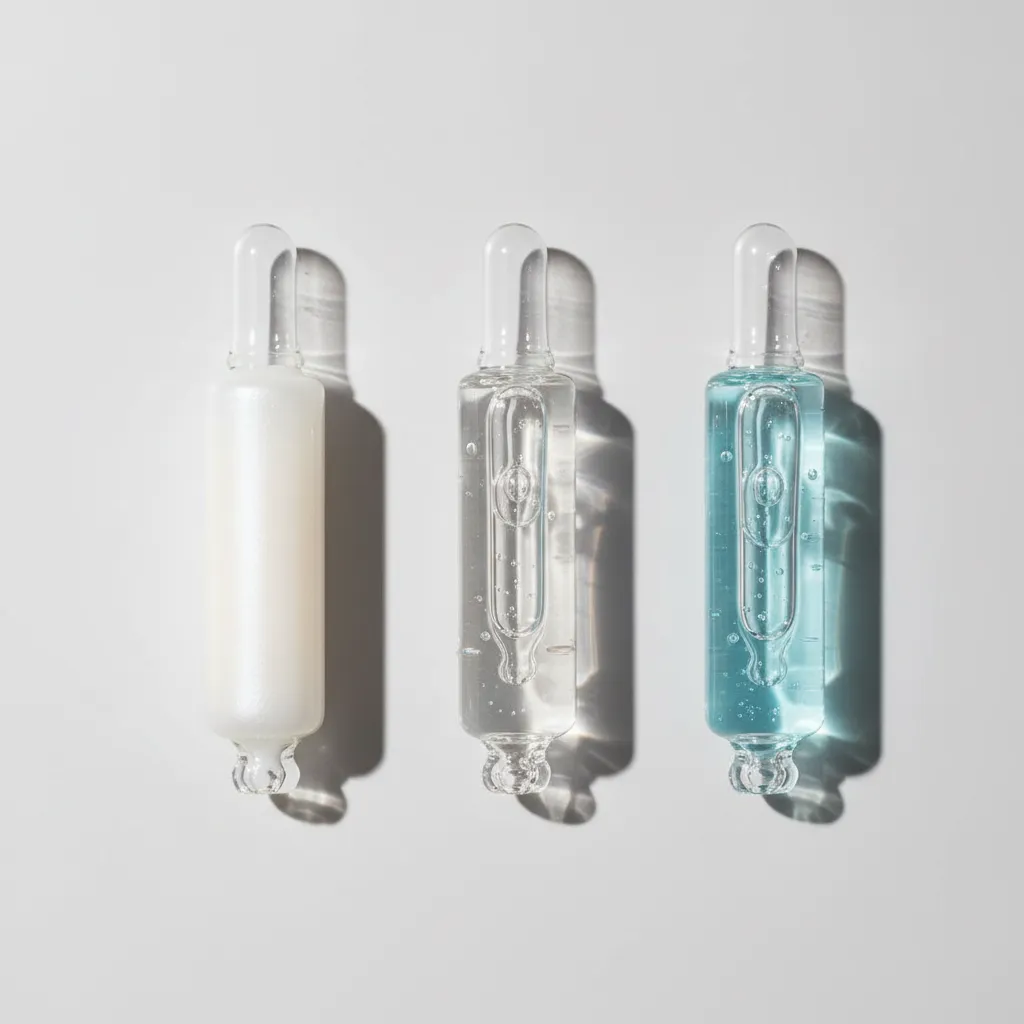
The Ordinary Matrixyl 10% + HA
~$11
Sold by Amazon.comReplaces The INKEY List Matrixyl 3000 Serum, which we couldn't find on Amazon.Shop Now →The Ordinary Argireline Solution 10%
~$9
Sold by Amazon.comShop Now →StriVectin Anti-Wrinkle Peptide PlumpSerum
~$78
Sold by Amazon.comReplaces StriVectin Power Serum for Wrinkles, which we couldn't find on Amazon.Shop Now →Prices last checked on September 27, 2026 and rounded to the dollar. Amazon prices change often; the price shown at checkout is the one that applies.
Clinical Evidence Compared
**Matrixyl 3000 evidence**: - 2009 in vitro study (Sederma): +350% procollagen I, +269% fibronectin vs vehicle - 2009 clinical study (93 volunteers): -44% wrinkle depth vs placebo at 2 months (10% Matrixyl 3000 formulation) - Multiple published corroborating studies from independent researchers - Evidence type: both strong in vitro mechanistic data and published clinical trials
**Argireline evidence**: - 2002 initial publication in *International Journal of Cosmetic Science*: 30% reduction in expression line depth vs placebo at 30 days (10% Argireline formulation, crow's feet) - 2015 double-blind clinical study: significant reduction in forehead line depth with 5% Argireline formulation vs control - Multiple independent replication studies - Evidence type: strong clinical evidence for dynamic line reduction specifically
**Comparison**: Both have real, published, double-blind clinical evidence — rare in cosmetic ingredient science. Matrixyl 3000 has broader anti-aging application (collagen synthesis affects overall skin quality). Argireline has more specific, measurable effect on a defined problem (expression line depth). Neither has the evidence base of prescription retinoids, but both outperform most cosmetic actives in documented clinical performance.
Why You Need Both, Not One or the Other
Facial ageing involves two parallel processes:
**Structural loss**: Collagen and elastin degradation reduces dermal volume, skin thickness, and elasticity. This creates overall skin sagging, loss of jawline definition, and deepening of static lines (visible at rest). Matrixyl 3000 addresses this.
**Dynamic line formation**: Repeated muscle contractions create expression lines that deepen over decades as the collagen cushion beneath them thins. Botox and Argireline address this.
A comprehensive anti-aging routine benefits from both approaches simultaneously: - Matrixyl 3000 to rebuild the structural dermal collagen that's been lost - Argireline (concentrated, applied to specific expression zones) to reduce the contraction amplitude that's deepening those specific lines
**The synergy**: Argireline applied to crow's feet reduces the mechanical stress on the collagen in that zone. Matrixyl 3000 simultaneously rebuilds the collagen structure beneath those lines. Combined, they address both the cause and the effect of expression-driven wrinkle formation.
Best Formulations for Each
**For Matrixyl 3000**: Look for products where palmitoyl tripeptide-1 AND palmitoyl tetrapeptide-7 both appear before the preservative (phenoxyethanol) in the INCI — their combined presence at meaningful concentration is what makes it true 'Matrixyl 3000' rather than just one component. Paula's Choice Pro-Collagen Multi-Peptide Booster and The Ordinary Matrixyl 10% + HA are strong accessible options.
**For Argireline**: Concentration is everything — look for 3–10% (often stated on packaging for neuropeptide products). Apply to specific zones rather than whole face. The Ordinary Argireline Solution 10% is the purest concentration available at accessible price. For a single multi-peptide product, StriVectin's Anti-Wrinkle Peptide PlumpSerum uses a triple-action peptide aimed at collagen, elastin and hyaluronic acid.
Author
Glowstice Editorial
The Glowstice editorial team consists of skincare researchers, cosmetic chemists, and science writers dedicated to translating peer-reviewed dermatology into practical guidance for curious consumers.