Affiliate disclosure: This article contains Amazon affiliate links. As an Amazon Associate, Glowstice earns from qualifying purchases — at no extra cost to you. Our editorial recommendations are independent of these partnerships. Learn more · How we evaluate products
Quick Picks
Affiliate links: we may earn a commission at no extra cost to you.
| Product | Price | Link |
|---|---|---|
Best Overall TIRTIR Mask Fit Red Cushion | ~$25 | Shop Now → |
Best for Oily/Combination Skin CLIO Kill Cover Founwear Cushion (The Original) | ~$25 | Shop Now → |
Best Budget Missha Magic Cushion Foundation | ~$12 | Shop Now → |
Prices last checked on September 27, 2026 and rounded to the dollar. Amazon prices change often; the price shown at checkout is the one that applies.
Cushion foundations — liquid foundation saturated into a sponge insert inside a compact, applied with a puff — are a genuinely distinct application format from either a pump-bottle liquid foundation or a pressed powder, and the format's rapid global adoption over the past decade wasn't just trend-following. It solves real practical problems (portability, reapplication, built-in SPF) while introducing its own trade-offs around coverage buildability and hygiene that are worth understanding before assuming a cushion functions identically to a bottled liquid foundation applied with a brush.
What a Cushion Compact Actually Is
A cushion foundation consists of a shallow well filled with a polyurethane sponge that's saturated with liquid foundation, sealed inside a compact with a mirror and a separate puff applicator. Pressing the puff onto the sponge releases a controlled, pre-measured amount of product, which is then pressed (not rubbed) onto skin. This press-application method, combined with the product's typically lighter, more fluid viscosity compared to bottled liquid foundation, is part of why cushions tend to read as more 'second-skin' and less 'made up' than heavier liquid formulas applied with a buffing brush.
Coverage and Buildability Trade-Offs
Most cushion formulas are designed around light-to-medium buildable coverage rather than full, heavy coverage — the sponge-and-puff application method makes it harder to layer on very high pigment loads compared to a brush or beauty-sponge application of a heavier liquid foundation. This is a deliberate trade-off, not a shortcoming: cushions are formulated for the 'your skin but better' aesthetic that defines most K-beauty base makeup, rather than for full-coverage color-correction needs. Those needing to conceal significant redness, scarring, or hyperpigmentation may find a cushion works better as a base layer topped with a separate concealer than as a single all-in-one product.
Related Reading
Editor's Product Picks
Affiliate links — we earn a small commission at no extra cost to you.
TIRTIR Mask Fit Red Cushion
~$25
Sold by TIRTIR. INC, a third-party sellerChoose your shade on the Amazon listing.Shop Now →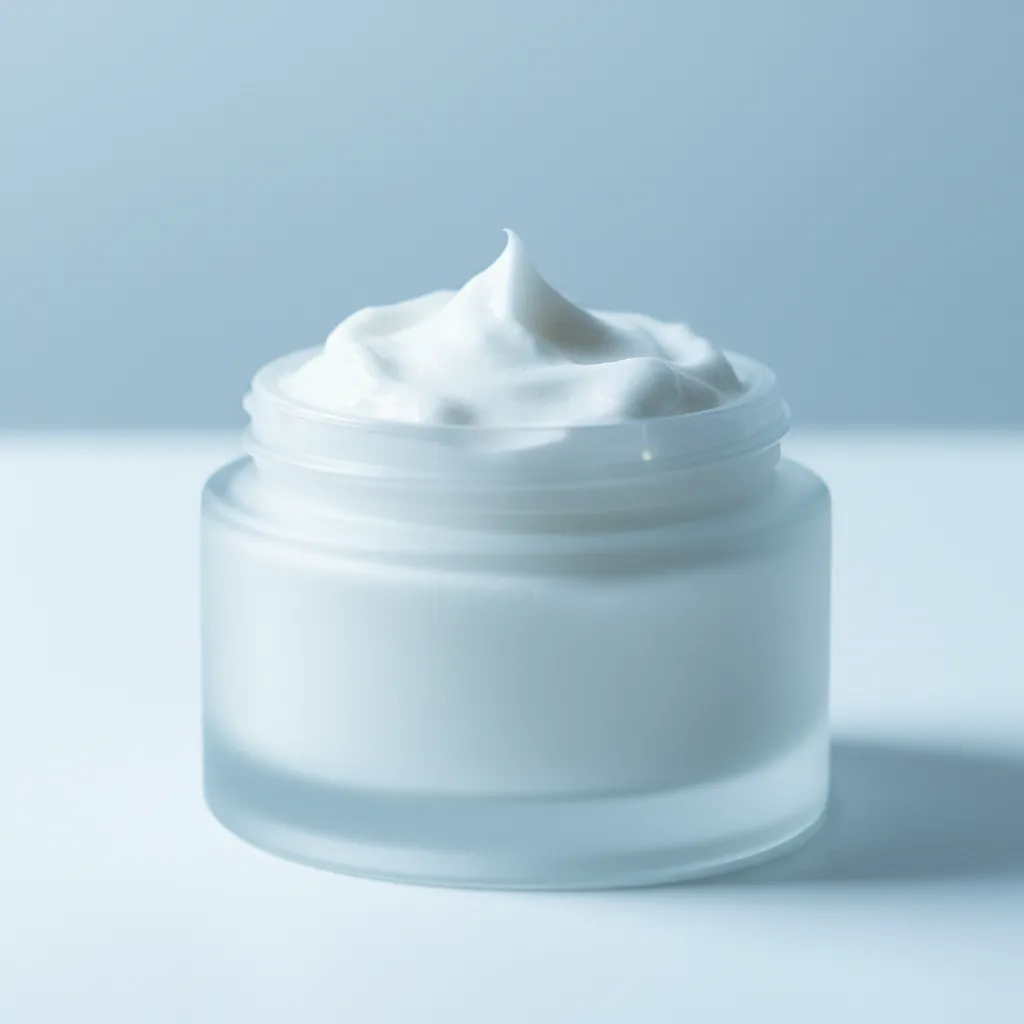
Missha Magic Cushion Foundation
~$12
Sold by MISSHA US, a third-party sellerThe Cover Lasting version isn't listed on Amazon, so this is Missha's original Magic Cushion, which has a dewy rather than matte finish. Choose your shade on the listing.Shop Now →
Laneige Neo Cushion Matte
Price varies
No single listing we could verify, so this opens an Amazon search of third-party sellers. Check the seller before you buy.Shop Now →
Etude House Double Lasting Cushion Glow
Price varies
No single listing we could verify, so this opens an Amazon search of third-party sellers. Check the seller before you buy.Shop Now →
CLIO Kill Cover Founwear Cushion (The Original)
~$25
Sold by CLUBCLIO, a third-party sellerChoose your shade on the Amazon listing.Shop Now →Prices last checked on September 27, 2026 and rounded to the dollar. Amazon prices change often; the price shown at checkout is the one that applies.
The Built-In SPF Advantage
Nearly all Korean cushion foundations include a genuine broad-spectrum SPF rating (commonly SPF40–50+) built into the formula itself, which is a real practical advantage over most Western liquid foundations, many of which either omit SPF entirely or include a nominal, unverified level. Because a cushion's portable compact format makes midday reapplication genuinely convenient — press, pat, done, no brush or sponge required — cushions are one of the few color-cosmetics formats that meaningfully support real SPF reapplication over the course of a day, rather than sun protection depending entirely on a single morning application that fades by afternoon.
Hygiene and Refill Considerations
Because the puff makes direct, repeated contact with both skin and the shared product reservoir, cushion hygiene matters more than with a pump-dispensed liquid foundation, where the applicator (usually a separate brush or sponge) doesn't recontaminate the bottle itself. Washing or replacing the puff regularly (most brands recommend every 2–4 weeks with daily use) and closing the compact promptly to limit air and bacteria exposure both meaningfully extend a cushion's usable life. Most premium Korean cushion lines sell refill inserts separately, letting you reuse the outer compact and puff (with periodic puff replacement) rather than repurchasing the full unit each time — worth checking for before assuming you need to buy the complete compact again.
Top Picks Ranked
TIRTIR Mask Fit Red Cushion (~$25) is the most viral Korean cushion of the past several years, with a 40-shade range and medium-to-full coverage in a satin glow finish that TIRTIR says lasts up to 72 hours while staying lightweight.
Missha Magic Cushion (~$12) is the best budget pick. The Cover Lasting version we originally chose isn't listed on Amazon, so this is the original Magic Cushion — note that it has a dewy, buildable finish rather than long-wear matte, with bamboo water and baobab extract, at one of the lowest price points in the category.
Laneige Neo Cushion Matte delivers a modern, lightweight semi-matte finish with SPF46 PA++, a strong pick for those wanting shine control without the formula feeling heavy or cakey. Laneige doesn't list it on Amazon, so our button opens a search.
Etude House Double Lasting Cushion Glow uses a double-fix system for genuinely long wear (brand claims 24+ hours) alongside ceramide, panthenol, and hyaluronic acid, delivering a dewy, glowing finish for those who find matte cushions too flat-looking. It isn't listed on Amazon, so our button opens a search.
CLIO Kill Cover Founwear Cushion (~$25) comes from CLIO, which calls itself Korea's No. 1 cushion brand, offering buildable light-to-medium coverage in 20 shades with a natural matte finish and an airy, satin-like texture — well-suited to oily or combination skin wanting a matte finish rather than TIRTIR's satin glow.
Frequently Asked Questions
Is a cushion foundation as full-coverage as liquid foundation?+
Generally no — most cushions are formulated for light-to-medium buildable coverage, since the sponge-and-puff application method makes layering heavy pigment harder than with a brush or beauty sponge. For significant concealing needs, a cushion works better as a base layer topped with concealer than as a standalone full-coverage product.
How often should I replace or clean a cushion puff?+
Most brands recommend washing or replacing the puff every 2–4 weeks with daily use, since it makes repeated direct contact with both skin and the shared product reservoir. Closing the compact promptly after use also limits air and bacteria exposure and extends the formula's usable life.
Author
Glowstice Editorial
The Glowstice editorial team consists of skincare researchers, cosmetic chemists, and science writers dedicated to translating peer-reviewed dermatology into practical guidance for curious consumers.