Affiliate disclosure: This article contains Amazon affiliate links. As an Amazon Associate, Glowstice earns from qualifying purchases — at no extra cost to you. Our editorial recommendations are independent of these partnerships. Learn more · How we evaluate products
Quick Picks
Affiliate links: we may earn a commission at no extra cost to you.
| Product | Price | Link |
|---|---|---|
Best for Oily Skin Lab Series Clear LS Mattifying Lightweight Moisturizer | ~$46 | Shop Now → |
Best Natural Brickell Men's Revitalizing Anti-Aging Cream | ~$34 | Shop Now → |
Best Overall Kiehl's Facial Fuel Daily Energizing Moisture Treatment for Men | ~$33 | Shop Now → |
Best With SPF Jack Black Double-Duty Face Moisturizer SPF 20 | ~$32 | Shop Now → |
Best Value CeraVe Facial Moisturizing Lotion PM | ~$14 | Shop Now → |
Best Budget Bulldog Skincare Original Moisturiser | ~$12 | Shop Now → |
Prices last checked on September 27, 2026 and rounded to the dollar. Amazon prices change often; the price shown at checkout is the one that applies.
The marketing differences between 'men's' and 'women's' moisturizers are mostly packaging and fragrance — but there are real, measurable physiological differences in male skin that make some formulation choices more relevant than others. Male skin is on average about 25% thicker than female skin due to higher androgen (testosterone) levels, has higher collagen density that declines more linearly with age (versus the sharper post-menopausal decline in women), and produces significantly more sebum, meaning oil-control and pore-clogging considerations often matter more. Daily shaving adds a mechanical exfoliation and micro-injury factor most women's routines don't need to account for. This guide ranks moisturizers that are genuinely well-formulated for these differences, not just relabeled.
How Men's Skin Actually Differs
Dermatology research consistently finds several structural differences between male and female skin. Male skin has a thicker dermis (collagen-rich layer) — roughly 20–25% thicker on average — which contributes to the common observation that visible signs of aging often appear later in men but can progress more rapidly once collagen decline accelerates, since there's a steeper structural threshold to cross. Male skin also has larger, more numerous sebaceous glands driven by higher androgen levels, producing significantly more sebum on average, which affects both oiliness and, for many men, larger-appearing pores.
These differences don't mean men need fundamentally different active ingredients — retinoids, niacinamide, hyaluronic acid, and SPF work the same way on any skin. They do mean texture and oil-control formulation choices are often more relevant: heavier, occlusive-forward creams marketed as 'anti-aging' can feel overly rich or contribute to congestion on skin producing more baseline oil.
Do You Need a 'Men's' Product Specifically?
No — the actives that matter (SPF, retinoids, antioxidants, humectants) work identically regardless of how a product is marketed, and many dermatologists recommend men simply use well-formulated unisex moisturizers like CeraVe or La Roche-Posay lines. Where 'men's' marketed products sometimes add genuine value is texture and finish: many are formulated with a specific eye toward lighter, faster-absorbing, less-fragranced textures that better suit oilier skin and a 'don't want to think about it' routine — a legitimate product-design choice, not a biological necessity.
The practical takeaway: choose based on your actual skin type and texture preference, not the gendered marketing on the label. A man with dry skin may do better with a rich, unisex ceramide cream than a lightweight 'men's' gel; a woman with oily skin may prefer the same lightweight gel formula marketed to men.
Related Reading
Editor's Product Picks
Affiliate links — we earn a small commission at no extra cost to you.
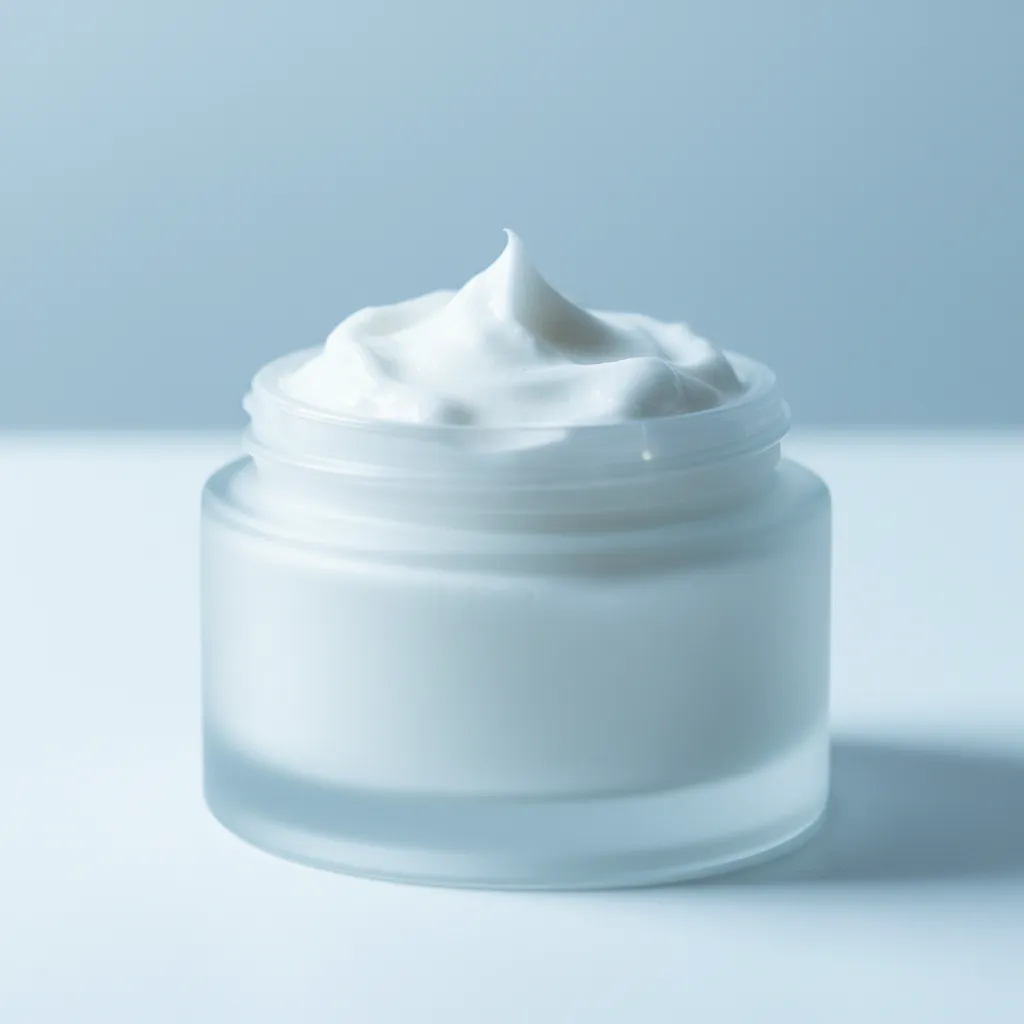
Kiehl's Facial Fuel Daily Energizing Moisture Treatment for Men
~$33
Sold by Kiehl's Since 1851, a third-party sellerShop Now →CeraVe Facial Moisturizing Lotion PM
~$14
Sold by Amazon.comShop Now →
Jack Black Double-Duty Face Moisturizer SPF 20
~$32
Sold by Amazon.comShop Now →
Brickell Men's Revitalizing Anti-Aging Cream
~$34
Sold by Brickell Men's Products, a third-party sellerShop Now →
Bulldog Skincare Original Moisturiser
~$12
Sold by Amazon.comShop Now →
Lab Series Clear LS Mattifying Lightweight Moisturizer
~$46
Sold by Amazon.comLab Series' Oil Control Moisturizer is no longer listed, so this is its successor, the Clear LS Mattifying Lightweight Moisturizer.Shop Now →Prices last checked on September 27, 2026 and rounded to the dollar. Amazon prices change often; the price shown at checkout is the one that applies.
Post-Shave Barrier Considerations
Daily or frequent shaving is a genuine, largely male-specific skin stressor — it mechanically removes the top layer of dead skin cells and can create micro-abrasions in the stratum corneum, temporarily compromising barrier function and increasing transepidermal water loss. This is a real reason to prioritize barrier-supportive ingredients (ceramides, niacinamide, panthenol) in a post-shave moisturizer, and to avoid layering additional harsh actives (strong acids, high-percentage retinoids) immediately after shaving on the same area.
Fragrance and alcohol-heavy formulas — common in traditional 'aftershave' products — can sting and irritate freshly shaved skin. A moisturizer with calming, barrier-supportive ingredients and minimal fragrance is generally a better daily choice than a classic alcohol-based aftershave splash for anyone shaving frequently.
SPF: The Most Skipped Step
Survey data on skincare habits consistently shows men are significantly less likely than women to use daily SPF, despite UV exposure being the single largest controllable driver of visible skin aging and skin cancer risk for all skin types. A moisturizer with built-in broad-spectrum SPF removes the 'one more step' friction that's the most commonly cited reason for skipping sun protection. If you're only going to reliably use one product, a broad-spectrum SPF30+ moisturizer is the single highest-leverage skincare choice available — more impactful than any anti-aging active.
Top Picks Ranked
Kiehl's Facial Fuel Daily Energizing Moisture Treatment for Men (~$33) is the most recognized dedicated men's moisturizer on the market — a lightweight, fast-absorbing cream with caffeine, vitamin C and chestnut extract that suits normal-to-oily skin without feeling heavy. It's a reasonable default if you want a product specifically designed and tested on male skin.
CeraVe Facial Moisturizing Lotion PM (~$14) isn't marketed by gender, but it's one of the most dermatologist-recommended moisturizers for any skin type — ceramides, niacinamide, and MVE time-release technology in a genuinely well-formulated, fragrance-free lotion. For men who want the best-evidenced formula regardless of packaging, this is very hard to beat on value.
Jack Black Double-Duty Face Moisturizer SPF 20 (~$32) combines a lightweight daily moisturizer with SPF 20 in one step — a strong pick for men who want to consolidate their routine to the fewest possible products while still getting daily sun protection, though SPF 30+ separately is preferable for higher-UV conditions.
Brickell Men's Revitalizing Anti-Aging Cream (~$34) is a natural-leaning formula with hyaluronic acid, aloe, green tea, DMAE and MSM aimed specifically at men wanting a more active anti-aging product without a 'clinical' skincare aesthetic — a solid mid-premium pick for dry-to-normal skin.
Bulldog Skincare Original Moisturiser (~$12) is the best true budget pick — a lightweight formula with aloe vera, camelina oil and green tea that performs well for normal-to-combination skin at a genuinely low price point.
Lab Series Clear LS Mattifying Lightweight Moisturizer (~$46) replaces Lab Series' Oil Control Moisturizer, which is no longer listed on Amazon. It is purpose-built for oily and acne-prone male skin: salicylic acid and Lab Series' 5-α Andro Complex in a non-comedogenic formula that hydrates and mattifies at the same time.
Frequently Asked Questions
Do men actually need a separate face moisturizer from women?+
Not biologically — the active ingredients that matter (SPF, retinoids, ceramides, niacinamide) work identically on any skin. What differs is that male skin is on average thicker and oilier, so texture and finish (lighter, less occlusive, often less fragranced) tend to matter more than a gendered ingredient list. Many dermatologists recommend men simply choose based on their actual skin type rather than packaging.
What's the best face moisturizer for men with oily skin?+
Lightweight, oil-control, non-comedogenic formulas perform best — Lab Series Clear LS Mattifying Lightweight Moisturizer and CeraVe Facial Moisturizing Lotion (the original, not the richer PM version) are both well-suited to oily and combination male skin without contributing to congestion.
Author
Glowstice Editorial
The Glowstice editorial team consists of skincare researchers, cosmetic chemists, and science writers dedicated to translating peer-reviewed dermatology into practical guidance for curious consumers.