Affiliate disclosure: This article contains Amazon affiliate links. As an Amazon Associate, Glowstice earns from qualifying purchases — at no extra cost to you. Our editorial recommendations are independent of these partnerships. Learn more · How we evaluate products
Quick Picks
Affiliate links: we may earn a commission at no extra cost to you.
| Product | Price | Link |
|---|---|---|
82 medical-grade lasers — FDA-cleared band HairMax LaserBand 82 | ~$722 | Shop Now → |
FDA-cleared laser cap for men and women — hands-free iRestore Essential Laser Hair Growth System | ~$499 | Shop Now → |
Redensyl + Capixyl + Procapil + Baicapil + Caffeine — widely accessible LLLT companion The Ordinary Multi-Peptide Serum for Hair Density | ~$22 | Shop Now → |
Prices last checked on September 27, 2026 and rounded to the dollar. Amazon prices change often; the price shown at checkout is the one that applies.
Low-level laser therapy (LLLT) — also called photobiomodulation (PBM) — for hair loss is one of the few truly evidence-backed hair growth interventions available without a prescription. At 650nm wavelengths, LLLT stimulates follicular stem cells in the hair follicle bulge region, extends the anagen (active growth) phase, and reduces the chronic inflammation that drives androgenetic alopecia-related follicle miniaturization. Multiple devices have received FDA clearance specifically for this indication — a regulatory threshold that most cosmetic hair growth products never reach. This guide decodes the mechanism at the cellular level, examines the controlled trial evidence, and explains how to distinguish effective devices from underpowered placebos.
Androgenetic Alopecia: The Miniaturization Process LLLT Targets
Androgenetic alopecia (AGA) — male and female pattern hair loss — affects approximately 50% of men and 25% of women by age 50. The fundamental pathology is follicular miniaturization: genetically susceptible follicles progressively shrink in response to dihydrotestosterone (DHT), the 5-alpha-reductase conversion product of testosterone.
DHT binds to androgen receptors in dermal papilla cells — the mesenchymal cells at the base of the follicle that control hair growth signaling. This binding shortens the anagen (growth) phase from years to months, extends telogen (resting) phase, and over successive cycles, causes follicles to produce progressively thinner, shorter, and more depigmented hairs (vellus-type miniaturization). Eventually, follicles stop producing visible hair entirely.
Chronic perifollicular microinflammation is now recognized as a co-driver of AGA, with histological studies showing lymphocytic infiltrate and collagen deposition around miniaturizing follicles in both male and female AGA. This inflammatory component is an important secondary target for LLLT, independent of the DHT-androgen receptor pathway targeted by finasteride and minoxidil.
The key insight for LLLT: follicles that have fully fibrosed (scarred) cannot respond to any stimulation. LLLT is most effective when initiated early in the AGA process, when miniaturizing follicles retain viable stem cells and dermal papilla cells. Follicle density on a trichoscopy assessment is the practical indicator of remaining treatment potential.
How 650nm Light Stimulates Follicular Growth at the Cellular Level
The mechanism of LLLT for hair growth operates through the same primary photobiomodulation pathway as skin therapy: absorption of 650nm photons by cytochrome c oxidase (CCO), the terminal enzyme of the mitochondrial electron transport chain.
In hair follicle cells, CCO photon absorption produces the following cascade: increased mitochondrial membrane potential → elevated ATP production → transient reactive oxygen species signaling → activation of transcription factors including Nrf2, AP-1, and NFκB → upregulation of growth factors including IGF-1 (insulin-like growth factor-1), KGF (keratinocyte growth factor / FGF-7), and VEGF (vascular endothelial growth factor).
IGF-1 and KGF directly stimulate hair matrix keratinocytes and dermal papilla cell proliferation, extending anagen phase. VEGF improves follicular microvascularization — increasing nutrient and oxygen delivery to the metabolically demanding growing follicle. The anti-inflammatory effect (via Nrf2 and suppressed NF-κB) reduces perifollicular inflammation, removing the inflammatory co-driver of miniaturization.
Additionally, LLLT at 650nm has been shown in in vitro studies to shift follicles from catagen (regression) or telogen (resting) into anagen phase — the most directly relevant mechanism for treating hair loss. This anagen-induction effect is thought to operate via effects on follicular stem cells in the bulge region of the outer root sheath.
Related Reading
Editor's Product Picks
Affiliate links — we earn a small commission at no extra cost to you.

iRestore Essential Laser Hair Growth System
~$499
Sold by iRESTORE -, a third-party sellerShop Now →
HairMax LaserBand 82
~$722
Sold by Hairmax Official, a third-party sellerShop Now →
Korean Peptide + Biotin + Redensyl Scalp Serum
What to look for — not a specific productPrice varies typical range
Shop Now →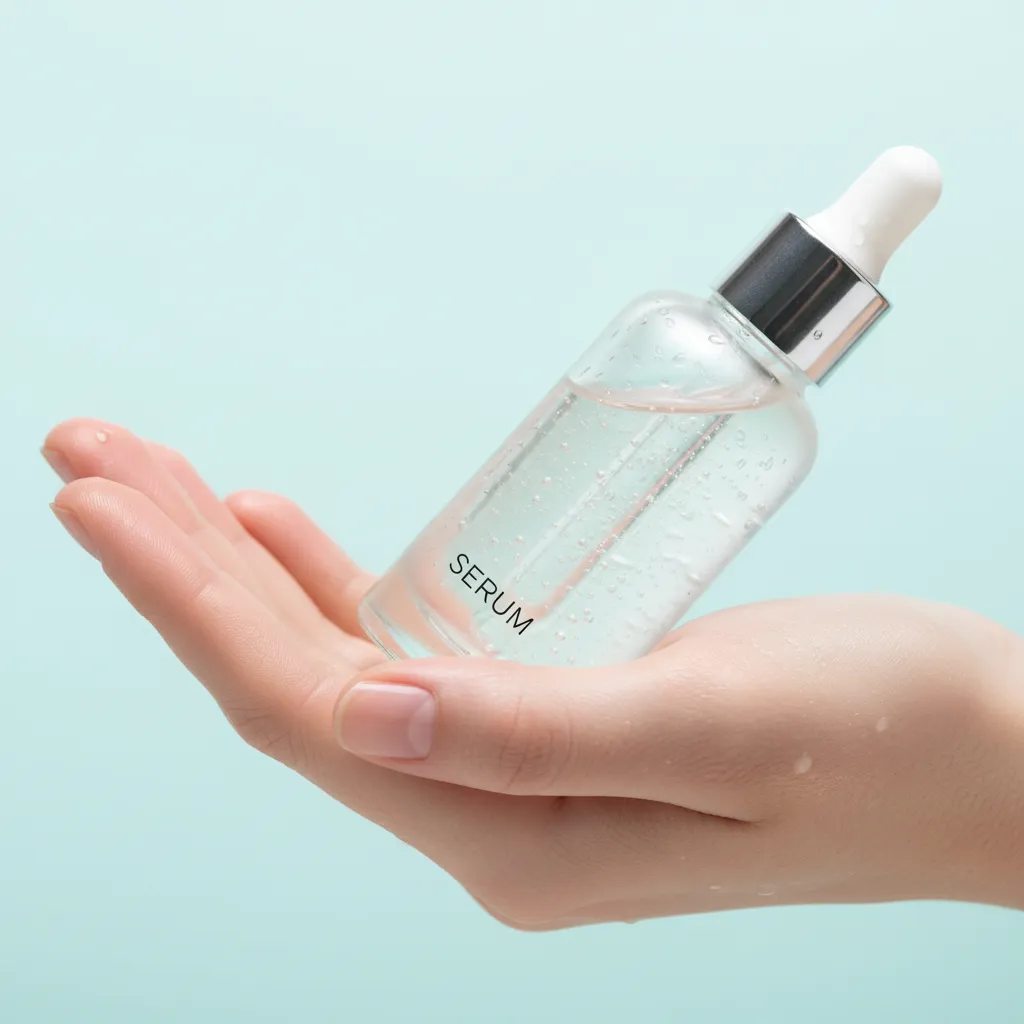
The Ordinary Multi-Peptide Serum for Hair Density
~$22
Sold by Amazon.comShop Now →Prices last checked on September 27, 2026 and rounded to the dollar. Amazon prices change often; the price shown at checkout is the one that applies.
FDA Clearance for LLLT Hair Devices: What the Regulatory Threshold Means
Multiple LLLT hair growth devices have received FDA 510(k) clearance or De Novo authorization for the indication of hair growth in androgenetic alopecia — a regulatory pathway that requires demonstration of safety and efficacy through controlled clinical evidence. This distinguishes FDA-cleared LLLT devices from the vast majority of cosmetic hair growth products, which make claims without regulatory substantiation.
The FDA clearances held by major brands (HairMax received the first clearance in 2007; iRestore, Capillus, and others have followed) are specifically for mild to moderate androgenetic alopecia in both men and women. The clearances are predicated on controlled clinical data demonstrating statistically significant improvements in hair count, density, or caliber versus sham device.
Important caveats: FDA clearance does not mean the device works for everyone, that results are permanent, or that the device is superior to other cleared devices. It means the specific device has been demonstrated safe and nominally effective in a controlled trial with a sham comparator. The magnitude of effect in published trials is typically 20–35% improvement in hair count at 26 weeks — meaningful but not transformative, and best framed as stopping and slowing loss rather than dramatically regrowing lost hair.
Clinical Evidence: Key Controlled Trials
The foundational controlled trials for LLLT in AGA set the evidence standard for the category.
Lanzafame et al. (2013, Lasers in Surgery and Medicine) conducted a double-blind, sham-controlled, randomized trial in 44 men with AGA. The treatment group used a helmet-style device containing 21 diode lasers and 30 LEDs at 655nm, every other day for 16 weeks. Among completers, the active group showed a 39% increase in hair count versus sham. Terminal hair density increased 35% in the treatment group versus 9% in sham — a statistically significant and clinically meaningful difference.
Lanzafame et al. (2014, Lasers in Surgery and Medicine) replicated the design in 47 women with AGA over 16 weeks, reporting that 655nm scalp treatment significantly improved hair counts in women at a rate similar to that seen in men under the same parameters.
Jimenez et al. (2014, American Journal of Clinical Dermatology) ran a larger multicentre, sham-controlled, double-blind trial randomising 128 men and 141 women to a lasercomb or sham device. At 26 weeks the LLLT group showed a significantly greater mean increase in hair density (20.6 ± 11.6) than sham (3.0 ± 9.3). Meta-analyses pooling the randomised trials reach the same conclusion: photobiomodulation produces a greater increase in hair density than sham, with one pooled analysis reporting a weighted mean difference of about 18.6 hairs/cm² in favour of treatment.
The evidence supports use of LLLT as a standalone therapy for mild-to-moderate AGA and as a combination therapy alongside minoxidil (topical or oral) and DHT-blocking treatments, where synergistic effects on different pathways are expected.
Choosing a Device: Caps, Combs, Bands, and What Makes a Difference
The LLLT hair growth device market spans $200 laser combs to $4,000 clinical-grade helmets. The parameters that determine effectiveness:
Wavelength: Clinical evidence concentrates on 650–670nm (red) and 780–830nm (NIR) wavelengths. Devices claiming efficacy at wavelengths outside these ranges (green, yellow, white) lack equivalent evidence. Ensure the device specifies the actual laser or LED wavelength — not just 'red light.'
True laser vs LED: Original LLLT hair growth evidence used coherent laser diodes (typically 650nm). Many current devices use LEDs at the same wavelength. The current evidence does not conclusively demonstrate that coherent laser produces superior outcomes to high-quality LED at equivalent dose — but devices must meet minimum irradiance thresholds regardless of light source type.
Scalp coverage: Helmets and caps that cover the entire scalp simultaneously produce more consistent results than combs or wands that require slow manual movement across sections. Partial coverage means uneven dose distribution. Full-coverage devices with adequate laser/LED density are clinically preferable.
Clearance status: Prioritize devices with FDA clearance for AGA specifically — it provides the strongest available evidence standard. Check the FDA 510(k) database to verify claimed clearances (some devices claim 'FDA registered' or 'FDA approved' which are meaningfully different from a 510(k) clearance for AGA treatment).
Treatment time and compliance: LLLT requires sustained use — typically 25 minutes, 3 sessions per week, for at least 6 months to assess response. Caps that allow hands-free use significantly improve compliance versus combs that require active scalp movement.
Author
Glowstice Editorial
The Glowstice editorial team consists of skincare researchers, cosmetic chemists, and science writers dedicated to translating peer-reviewed dermatology into practical guidance for curious consumers.