Affiliate disclosure: This article contains Amazon affiliate links. As an Amazon Associate, Glowstice earns from qualifying purchases — at no extra cost to you. Our editorial recommendations are independent of these partnerships. Learn more · How we evaluate products
Quick Picks
Affiliate links: we may earn a commission at no extra cost to you.
| Product | Price | Link |
|---|---|---|
Pitera + Kinren Extract + White Peony Extract SK-II SKINPOWER Cream | ~$255 | Shop Now → |
Best Value Size SK-II Facial Treatment Essence (160ml) | ~$190 | Shop Now → |
Iconic SK-II Facial Treatment Essence (75ml) | ~$84 | Shop Now → |
Prices last checked on September 27, 2026 and rounded to the dollar. Amazon prices change often; the price shown at checkout is the one that applies.
SK-II has built one of the best-selling facial essences in the world around a single fermented ingredient: Pitera. Unlike most 'hero ingredient' origin stories, Pitera's discovery traces back to an actual empirical observation rather than a lab-designed molecule, and the ingredient category it belongs to — galactomyces ferment filtrate — has since become common across Korean and Japanese beauty at every price point. Here's what Pitera is, what's genuinely researched, and where the $85–$325 Facial Treatment Essence sits relative to its much cheaper cousins.
The Sake Brewery Discovery
The commonly told origin story — repeated in SK-II's own marketing — is that researchers visiting a sake brewery in Japan in the late 1970s noticed that elderly brewery workers, whose hands were constantly immersed in fermenting rice mash, had noticeably smoother and more youthful-looking hands than their faces. That observation reportedly prompted researchers to investigate the fermentation byproduct itself.
After screening hundreds of yeast strains, the brand settled on a specific strain used to produce what it trademarked as Pitera, launching the original Facial Treatment Essence in Japan in 1980. Procter & Gamble acquired the SK-II brand in 1991 and has owned and expanded it globally since.
What Pitera Actually Is
On the ingredient list, Pitera appears under its INCI name: Galactomyces Ferment Filtrate. It's the clear, filtered liquid byproduct left over after a specific strain of yeast (in the Galactomyces/Saccharomyces family, related to the yeasts used in sake fermentation) ferments a growth substrate.
The filtrate is rich in the metabolic byproducts of fermentation: amino acids, vitamins (including B-complex vitamins), organic acids, minerals, and small peptides generated as the yeast breaks down its substrate. It's this cocktail — rather than a single active molecule — that SK-II attributes Pitera's effects to.
Related Reading
Editor's Product Picks
Affiliate links — we earn a small commission at no extra cost to you.
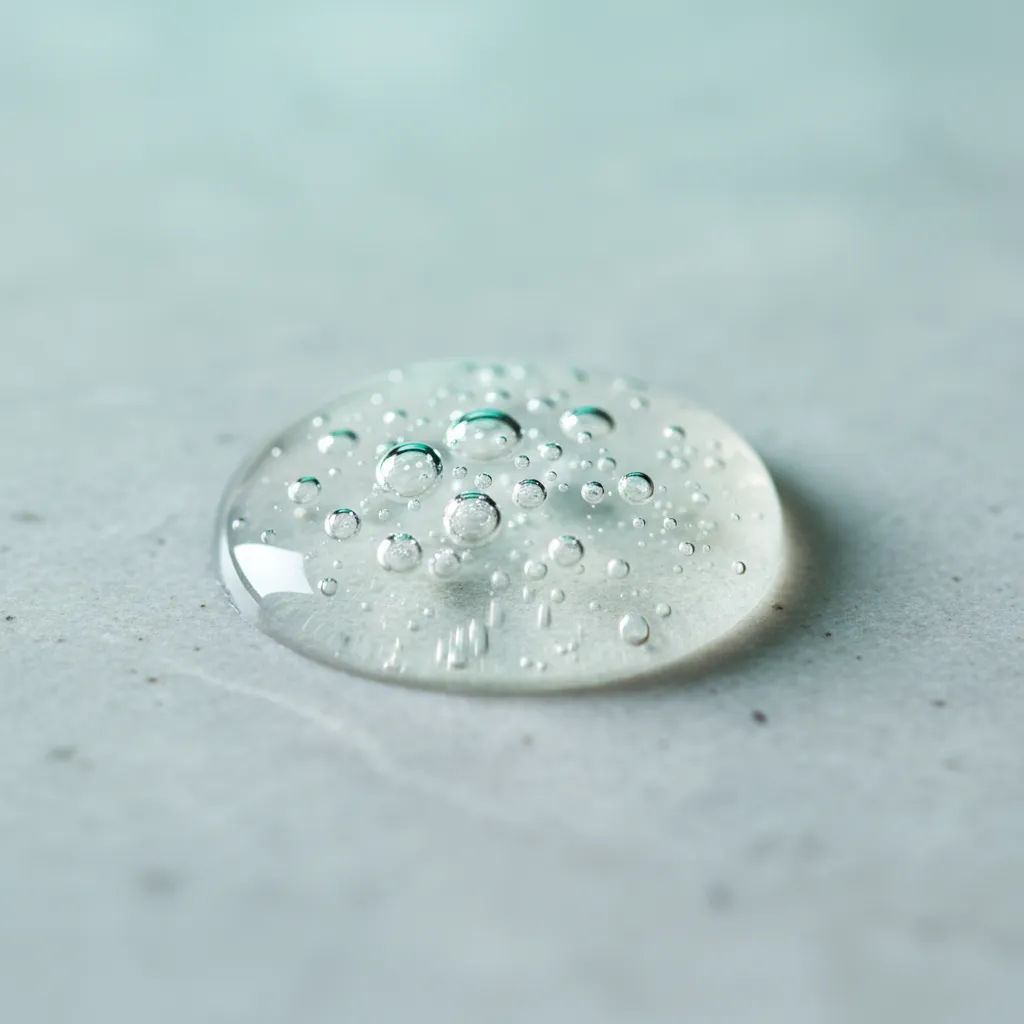
SK-II Facial Treatment Essence (75ml)
~$84
Sold by SK-II US, a third-party sellerShop Now →
SK-II Facial Treatment Essence (160ml)
~$190
Sold by SK-II US, a third-party sellerShop Now →
SK-II SKINPOWER Cream
~$255
Sold by SK-II US, a third-party sellerSK-II's successor to the R.N.A. Power Radical New Age Cream.Shop Now →Prices last checked on September 27, 2026 and rounded to the dollar. Amazon prices change often; the price shown at checkout is the one that applies.
The Fermentation Science
Fermentation is a well-established technique for making bioactive compounds more bioavailable: microbial digestion breaks proteins and complex sugars down into smaller amino acids, peptides, and organic acids that are easier for skin to use and that carry their own antioxidant and humectant properties. This is the same general principle behind other fermented skincare staples — bifida ferment lysate, rice ferment filtrate, and other galactomyces-based essences that have proliferated across K-beauty.
What's specific to SK-II is the particular yeast strain, the proprietary fermentation and filtration process refined over decades, and quality-control consistency across batches — none of which is independently verifiable by outside researchers, since the exact strain and process are trade secrets.
Pitera vs. Budget Galactomyces Products
Here's the detail worth knowing before spending $85–$325 on a bottle: galactomyces ferment filtrate, the ingredient category Pitera belongs to, is not exclusive to SK-II. It appears as a primary ingredient in budget K-beauty essences costing a fraction of the price — Mizon's Skin Power Original First Essence (94.5% galactomyces) and Purito's Galacto Niacin 97 Essence (92%) are both built around the same ingredient category, at about $18–$25.
The honest distinction is strain and process, not ingredient exclusivity. SK-II's Pitera is a specific proprietary strain fermented under a specific proprietary process — the brand argues (and some formulation chemists agree) that strain and fermentation conditions meaningfully change the resulting metabolite profile, which is plausible but not something a consumer can verify by reading an ingredient label. If budget is a constraint, a galactomyces-based essence at $20–$35 uses the same ingredient category; if you want the specific, decades-refined SK-II strain and formula, that's what the price premium buys.
What the Evidence Shows
Published research on galactomyces ferment filtrate as an ingredient category generally supports antioxidant and skin-barrier-supportive properties, consistent with what's known about fermented yeast metabolites more broadly. SK-II has also conducted and published its own dermatologist-supervised consumer studies reporting improvements in skin texture, tone evenness, and radiance with regular Facial Treatment Essence use.
As with most single-brand proprietary ingredients, the strongest independent evidence exists at the ingredient-category level (galactomyces ferment filtrate broadly) rather than isolating SK-II's specific Pitera strain in an independent, blinded, placebo-controlled trial. That's a common limitation across the prestige beauty industry, not unique to SK-II — but it's worth knowing you're paying largely for a specific, trademarked strain and process rather than a uniquely proven molecule.
The Essence Lineup
SK-II's core lineup is built around the same Pitera base across different textures and concentrations, plus a moisturizer line built on the same ingredient philosophy.
Author
Glowstice Editorial
The Glowstice editorial team consists of skincare researchers, cosmetic chemists, and science writers dedicated to translating peer-reviewed dermatology into practical guidance for curious consumers.