Affiliate disclosure: This article contains Amazon affiliate links. As an Amazon Associate, Glowstice earns from qualifying purchases — at no extra cost to you. Our editorial recommendations are independent of these partnerships. Learn more · How we evaluate products
Quick Picks
Affiliate links: we may earn a commission at no extra cost to you.
| Product | Price | Link |
|---|---|---|
Best Dual-Texture Innovation Innisfree Volcanic Swirl Pore Mask | ~$24 | Shop Now → |
Best Overall Innisfree Super Volcanic Pore Clay Mask | ~$18 | Shop Now → |
Best Exfoliating (Non-Clay) Skinfood Black Sugar Mask Wash Off | ~$13 | Shop Now → |
Prices last checked on September 27, 2026 and rounded to the dollar. Amazon prices change often; the price shown at checkout is the one that applies.
Wash-off masks occupy a specific, often-skipped niche in a Korean routine — distinct from a daily-use cleanser, a leave-on sheet mask, and an overnight sleeping mask, they're meant as a periodic (once or twice weekly), more intensive treatment step. Clay-based formulas dominate this category for oil control and pore care, though exfoliating wash-off masks built around physical polish rather than clay serve a genuinely different purpose worth understanding separately.
Wash-Off vs. Sheet Mask vs. Sleeping Mask
A sheet mask delivers a serum-soaked layer left on for 15–20 minutes then peeled off, with any excess pressed in rather than rinsed — primarily a hydration and occlusion-based treatment. A sleeping mask is applied as a final step and left on overnight, not rinsed at all. A wash-off mask, by contrast, is applied for a set time (commonly 10–20 minutes) and then physically rinsed away with water — a format that allows for ingredients (like clay or physical exfoliating particles) that wouldn't make sense to leave on skin indefinitely, since part of their function is the physical removal process itself.
How Clay Masks Actually Work
Clay masks (commonly built on kaolin or bentonite clay, sometimes combined with volcanic ash) work primarily through oil absorption — the clay's mineral structure has a genuinely high capacity to bind and absorb excess sebum sitting on and in the skin's surface, which is why clay masks are most useful for oily and combination skin, particularly in the T-zone. As the clay dries on skin, it also creates a mild tightening sensation (from the drying and contracting clay film itself, not from any lasting skin-tightening effect after rinsing), and many formulas add AHA or BHA to combine the oil-absorption benefit with genuine chemical exfoliation in the same step.
Related Reading
Editor's Product Picks
Affiliate links — we earn a small commission at no extra cost to you.
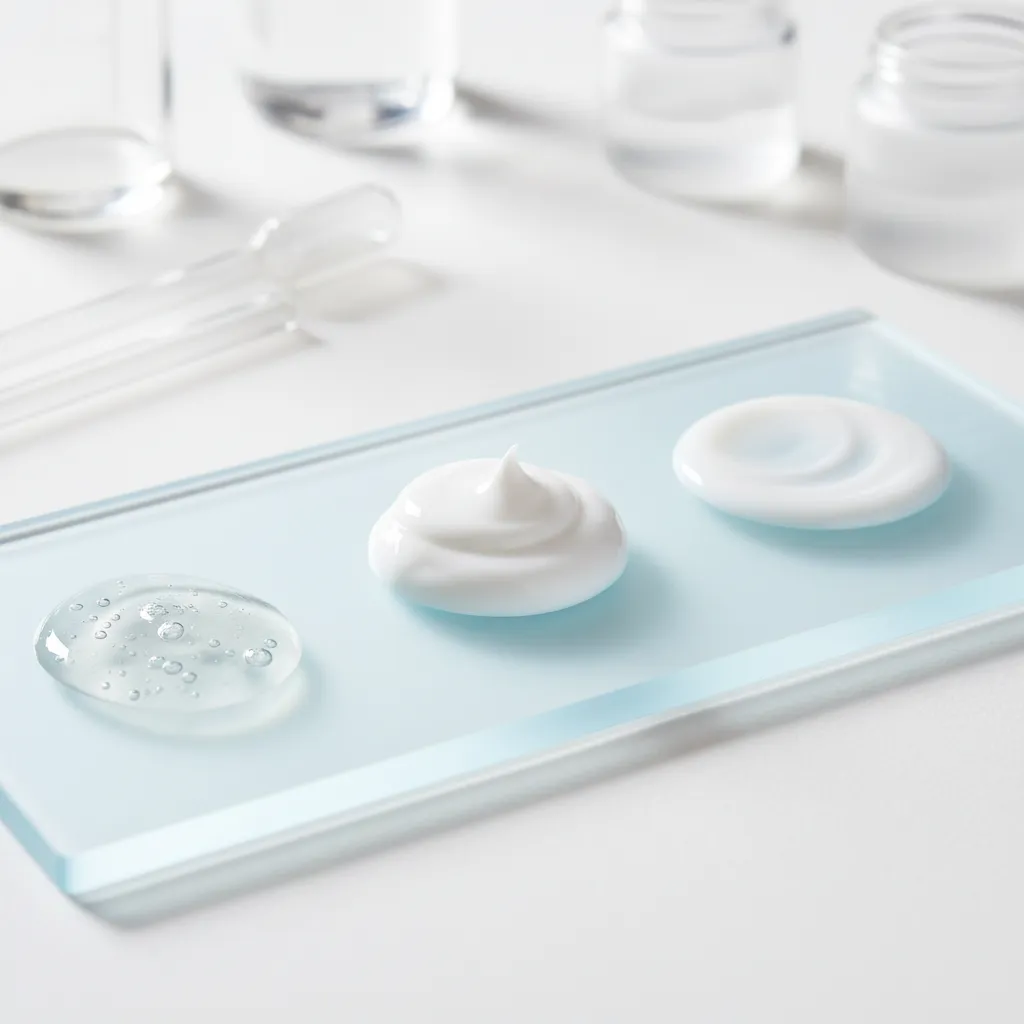
Innisfree Super Volcanic Pore Clay Mask
~$18
Sold by Amazon.comShop Now →
Innisfree Volcanic Swirl Pore Mask
~$24
Sold by Amazon.comShop Now →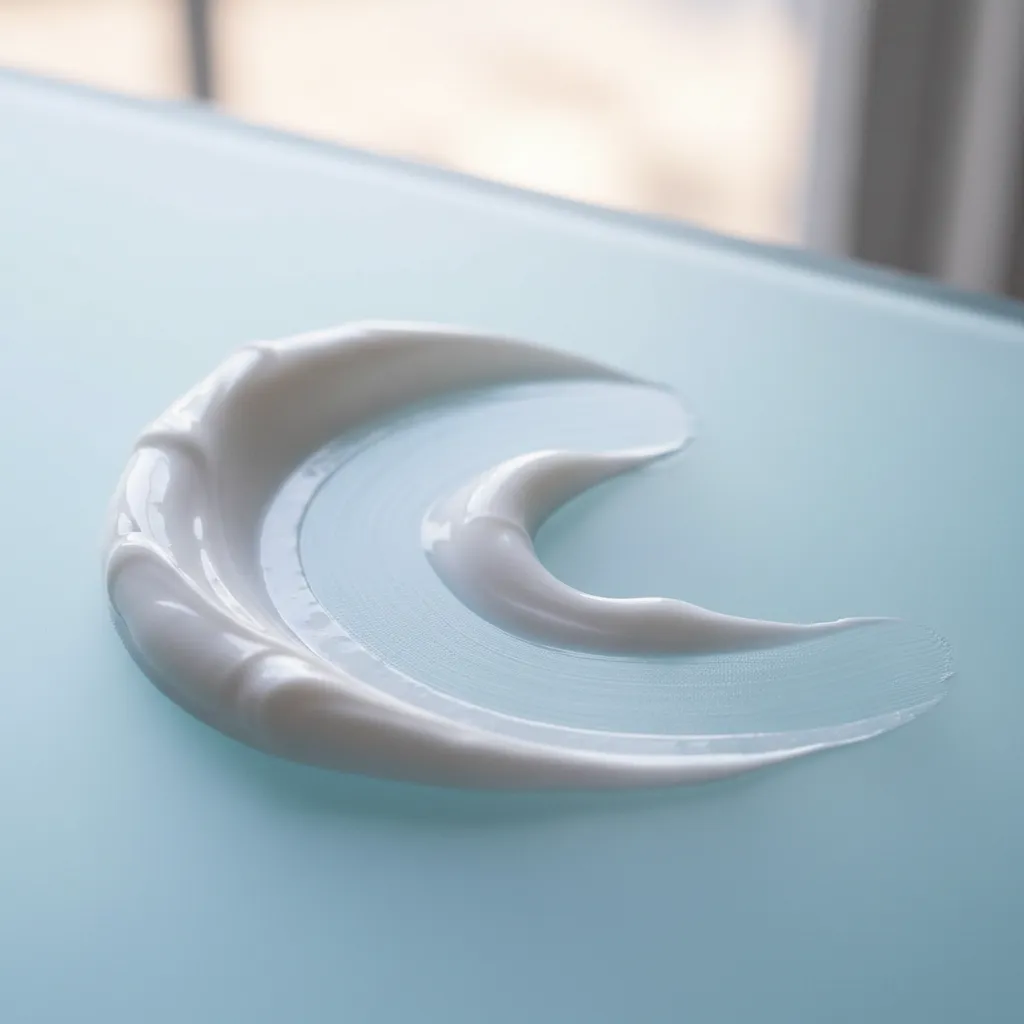
Skinfood Black Sugar Mask Wash Off
~$13
Sold by Skinfood Co.,Ltd., a third-party sellerShop Now →Prices last checked on September 27, 2026 and rounded to the dollar. Amazon prices change often; the price shown at checkout is the one that applies.
The Overuse Risk With Clay Masks
Letting a clay mask dry completely and stay on past its intended time is one of the most common ways this category gets misused — once clay is fully dry, it continues drawing moisture from the skin's surface itself rather than just absorbing surface oil, which can leave skin feeling tight, stripped, or reactive afterward, particularly for those without genuinely oily skin. Most clay masks are formulated to be rinsed while still slightly damp or tacky, not bone-dry, and 1–2 times weekly is a reasonable frequency ceiling for most skin types — daily use of a clay mask is generally overkill and increases the risk of over-drying the barrier.
Exfoliating Wash-Off Masks as an Alternative
Not every wash-off mask is clay-based — a separate subcategory uses physical exfoliating particles (sugar granules, ground seeds, or similar) suspended in a nourishing, often oil-and-butter-based base, designed to polish away dead skin cells while simultaneously depositing moisturizing ingredients, rather than absorbing oil. These formulas serve a genuinely different purpose than clay: they're generally better suited to dry or normal skin wanting gentle physical exfoliation and nourishment in one step, rather than oil control, and shouldn't be judged by the same 'did it absorb my oil' standard as a clay-based formula.
Top Picks Ranked
Innisfree Super Volcanic Pore Clay Mask (~$18) is the category's best-known clay formula, combining volcanic clusters with AHA (lactic acid) for a non-drying clay mask that absorbs oil and exfoliates without the tight, stripped feeling associated with older clay formulas.
Innisfree Volcanic Swirl Pore Mask (~$24) uses a genuinely newer dual-texture approach — volcanic gray clay for oil absorption and exfoliation, swirled with a hydrating blue cream, letting users control how much clay-versus-cream ratio they apply based on how oily or dry their skin feels that week.
Skinfood Black Sugar Mask Wash Off (~$13) represents the exfoliating, non-clay alternative — black sugar granules in a mineral- and vitamin-rich wash-off base for a nourishing physical polish, best suited to dry or normal skin wanting gentle exfoliation and moisture rather than oil control.
Frequently Asked Questions
How often should I use a clay mask?+
1–2 times weekly is a reasonable ceiling for most skin types. Daily use is generally overkill and raises the risk of over-drying the skin barrier, especially if the clay is left on until it's fully dry rather than rinsed while still slightly damp.
Should I let a clay mask dry completely before rinsing?+
No — most clay masks are formulated to be rinsed while still slightly damp or tacky. Once clay fully dries, it starts drawing moisture from the skin itself rather than just absorbing surface oil, which can leave skin feeling tight or stripped afterward.
Author
Glowstice Editorial
The Glowstice editorial team consists of skincare researchers, cosmetic chemists, and science writers dedicated to translating peer-reviewed dermatology into practical guidance for curious consumers.