Affiliate disclosure: This article contains Amazon affiliate links. As an Amazon Associate, Glowstice earns from qualifying purchases — at no extra cost to you. Our editorial recommendations are independent of these partnerships. Learn more · How we evaluate products
Quick Picks
Affiliate links: we may earn a commission at no extra cost to you.
| Product | Price | Link |
|---|---|---|
Best for Sensitive Skin Laneige Cica Sleeping Mask | ~$35 | Shop Now → |
Best Overall Laneige Water Sleeping Mask | ~$33 | Shop Now → |
Best Luxury Fresh Rose Deep Hydration Sleeping Mask | Brand site | Shop direct → |
Prices last checked on September 27, 2026 and rounded to the dollar. Amazon prices change often; the price shown at checkout is the one that applies.
Sleeping masks occupy a slightly ambiguous space in a routine — thicker and more concentrated than a serum, but marketed distinctly from a standard night cream despite doing broadly similar overnight-hydration work. The genuine formulation differences (when they exist) are usually about texture, occlusivity, and how the product is meant to sit undisturbed for six to eight hours, rather than a fundamentally different mechanism from a well-formulated rich moisturizer.
Sleeping Mask vs. Night Cream: What's Actually Different
In practice, the line between a 'sleeping mask' and a 'night cream' is often more marketing category than fixed formulation rule. That said, sleeping masks tend to skew toward gel-cream or jelly textures with a higher water content than traditional creams, designed to feel lighter going on despite delivering a comparable or greater hydration payload — a texture choice aimed at people who find heavy night creams unpleasant to sleep in. Night creams, by contrast, more often lean into richer, more occlusive textures built around oils and emollients. Neither format is inherently superior; the better choice depends on your skin type and texture preference more than any real mechanistic advantage of one category over the other.
Why the Overnight Window Matters for Skin
Skin's barrier function and transepidermal water loss follow a measurable circadian pattern, with water loss tending to increase overnight in the absence of a protective product layer — part of why an occlusive or humectant-rich product applied before bed can meaningfully outperform daytime application for pure hydration purposes. Skin cell turnover and repair processes are also generally understood to be more active overnight, when they aren't competing with UV exposure, pollution, and the mechanical friction of a daytime routine — which is the practical rationale for concentrating actives and heavier hydrators into a nighttime-specific step rather than splitting the same ingredients evenly between AM and PM.
Related Reading
Editor's Product Picks
Affiliate links — we earn a small commission at no extra cost to you.
Laneige Water Sleeping Mask
~$33
Sold by Amazon.comShop Now →
Laneige Cica Sleeping Mask
~$35
Sold by Amazon.comShop Now →
COSRX Ultimate Nourishing Rice Overnight Spa Mask
Price varies
No single listing we could verify, so this opens an Amazon search of third-party sellers. Check the seller before you buy.Shop Now →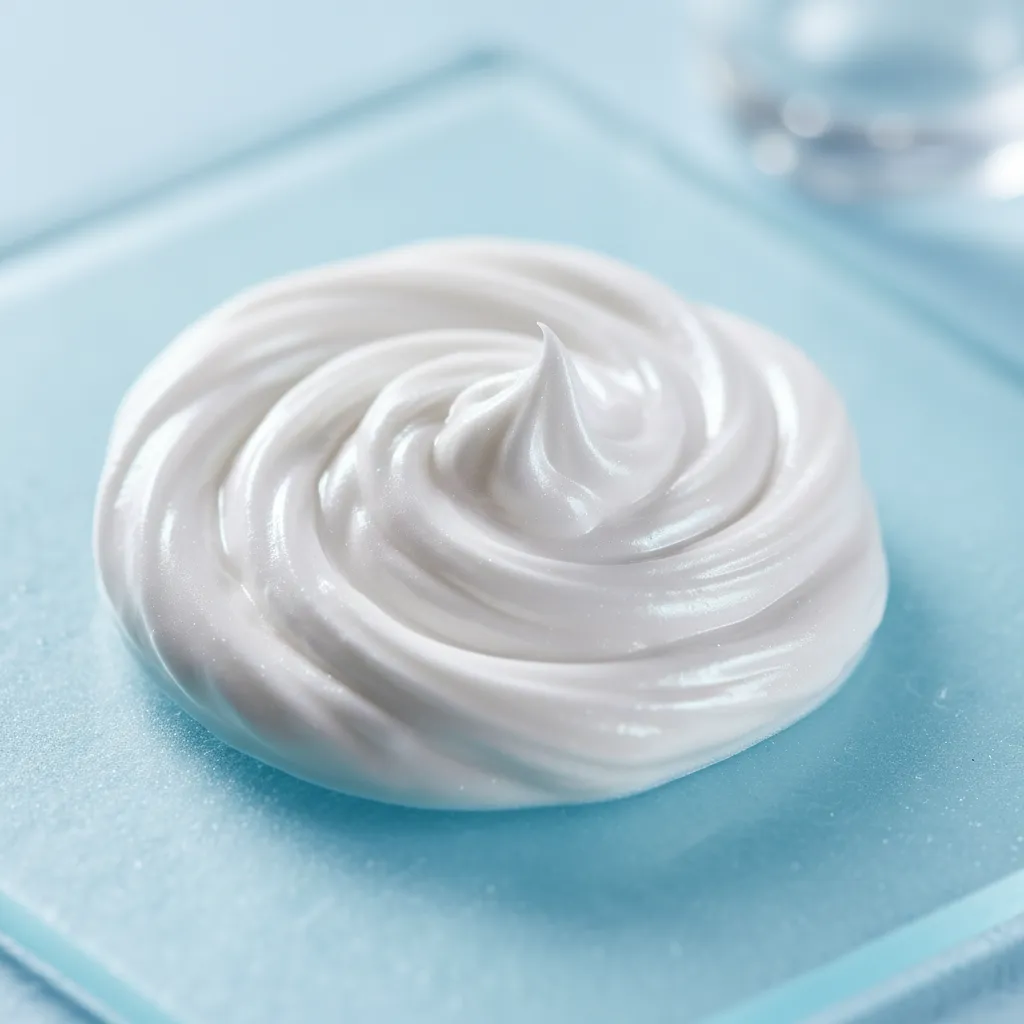
Fresh Rose Deep Hydration Sleeping Mask
Price on brand site
Temporarily out of stock on Amazon, so this links Fresh's own store.Not sold on Amazon. We earn nothing from this link.Buy direct from Fresh →
Innisfree Green Tea Hydrating Sleeping Mask
Price varies
No single listing we could verify, so this opens an Amazon search of third-party sellers. Check the seller before you buy.Shop Now →Prices last checked on September 27, 2026 and rounded to the dollar. Amazon prices change often; the price shown at checkout is the one that applies.
Occlusive vs. Humectant-Forward Formulas
Humectant-forward sleeping masks (built around hyaluronic acid, glycerin, or panthenol) draw moisture into the skin's surface layers and work well for most skin types, but can pull moisture from the air or, in very dry climates, potentially draw some moisture from deeper skin layers if not sealed with an occlusive afterward. Occlusive-forward formulas (built around oils, petrolatum-adjacent ingredients, or waxes) form a physical barrier that reduces water loss but doesn't add water itself — better suited to already-dehydrated skin needing to retain existing moisture rather than skin needing an active hydration boost. Many well-formulated sleeping masks combine both categories in a single product, which is generally the more broadly useful approach for most users.
Who Should (and Shouldn't) Use a Sleeping Mask
Dry, dehydrated, or barrier-compromised skin benefits most consistently from a sleeping mask's concentrated overnight hydration, particularly in low-humidity climates or during winter months. Oily or acne-prone skin can still benefit from a lighter, gel-textured sleeping mask, but should be more selective about occlusive, heavier formulas, which can feel congesting or contribute to breakouts for some users. Those already using strong nighttime actives (retinoids, high-percentage acids) should generally apply a sleeping mask as the final sealing step over those actives rather than mixing it in as a replacement, to avoid diluting the active ingredient's intended concentration and contact time.
Top Picks Ranked
Laneige Water Sleeping Mask (~$33) is the category-defining product, now formulated with a blend of three hyaluronic acids plus squalane, niacinamide and ceramides in a lightweight, cooling gel that's become the reference point most competitors are measured against.
Laneige Cica Sleeping Mask (~$35) swaps the original's hydration focus for Laneige's Centella Repair Complex in a richer, now fragrance-free balm-cream, aimed specifically at reactive, post-procedure, or barrier-stressed skin that wants the same format with a calming rather than glow-focused formula.
COSRX Ultimate Nourishing Rice Overnight Spa Mask is the budget pick, combining 68% rice extract with 2% niacinamide in a nourishing, slightly richer texture well-suited to dry or dull skin on a lower budget. On Amazon it is currently sold only by third-party resellers with very limited stock, so our button opens a search.
Fresh Rose Deep Hydration Sleeping Mask is the luxury pick (temporarily out of stock on Amazon, so our button goes to Fresh's own store), a two-step rosewater and hyaluronic acid system with a cooling gel-essence layer followed by a richer water-cream mask — a genuinely more elaborate application ritual than most competitors at this price tier.
Innisfree Green Tea Hydrating Sleeping Mask is the best lightweight, antioxidant-forward option (innisfree doesn't list it on Amazon, so our button opens a search), built around Jeju green tea extract for those who want a sleeping mask that leans hydrating and antioxidant-rich rather than deeply occlusive.
Frequently Asked Questions
Is a sleeping mask really different from a night cream?+
The mechanism is broadly similar — overnight hydration and barrier support. The main practical difference is usually texture: sleeping masks tend toward lighter gel-cream formulas with higher water content, while night creams more often lean into richer, oil-based occlusive textures. Neither is inherently superior; it comes down to skin type and preference.
Can I use a sleeping mask every night?+
For most humectant-forward or lightweight gel formulas, yes. Richer, more occlusive sleeping masks may feel like too much for oily or acne-prone skin used nightly — some people prefer reserving those for 2–3 nights a week and using a lighter moisturizer on other nights.
Author
Glowstice Editorial
The Glowstice editorial team consists of skincare researchers, cosmetic chemists, and science writers dedicated to translating peer-reviewed dermatology into practical guidance for curious consumers.