Affiliate disclosure: This article contains Amazon affiliate links. As an Amazon Associate, Glowstice earns from qualifying purchases — at no extra cost to you. Our editorial recommendations are independent of these partnerships. Learn more.
Panthenol is one of the most widely used ingredients in skincare and one of the least marketed, which is an unusual combination. It appears in Korean calming essences, French pharmacy repair balms, post-procedure aftercare, and most of the barrier products this site recommends — usually three or four lines down the ingredient list, doing real work without a claim attached to it. Industry trend analysis now lists dexpanthenol among the rising actives of 2026, which mostly means the marketing has caught up with a formulation habit that was already decades old.
What Panthenol Actually Is
Panthenol is provitamin B5 — the alcohol analogue of pantothenic acid, which is vitamin B5 proper. Applied to skin, it is converted enzymatically into pantothenic acid, which is the biologically active form and a component of coenzyme A, a molecule central to lipid synthesis.
That lipid synthesis connection is the mechanistic thread worth holding onto. The skin barrier depends on ceramides, cholesterol and fatty acids, and coenzyme A is involved in producing them. Panthenol's barrier benefits are plausibly downstream of supplying a precursor to that pathway, rather than the ingredient acting as a surface conditioner alone.
It is also, more simply, a very good humectant. The molecule holds water well, which produces an immediate hydrating effect independent of any biological conversion.
And it is exceptionally well tolerated. Panthenol is used in products for infants, for post-procedure skin, and for compromised barriers precisely because its irritancy profile is close to nil.
What It Does
Four things, in descending order of how confident you should be.
Hydration. Panthenol is a humectant with good water-binding capacity. This is immediate, reliable, and the least interesting thing about it.
Barrier support and reduced transepidermal water loss. This is the substantive claim, and it's well supported — panthenol-containing formulations consistently show improved barrier function and reduced water loss in testing, which fits the coenzyme A and lipid synthesis mechanism.
Soothing and reduced irritation. Panthenol has a documented anti-inflammatory effect and is a standard inclusion in products for irritated, sensitised, or reactive skin. If you've ever wondered why a cica cream feels calming beyond what centella alone would explain, panthenol is frequently the answer.
Wound healing support. Dexpanthenol has a long history in this application, and it is the basis of pharmacy products used on cracked skin, minor wounds, and post-procedure sites. This is the ingredient's oldest and most clinically established use, though it sits somewhat outside cosmetic claims.
What it is not: an anti-ageing active. Panthenol does not meaningfully address wrinkles, pigmentation, or photoageing, and no serious formulator positions it that way.
Related Reading
Editor's Product Picks
Affiliate links — we earn a small commission at no extra cost to you.
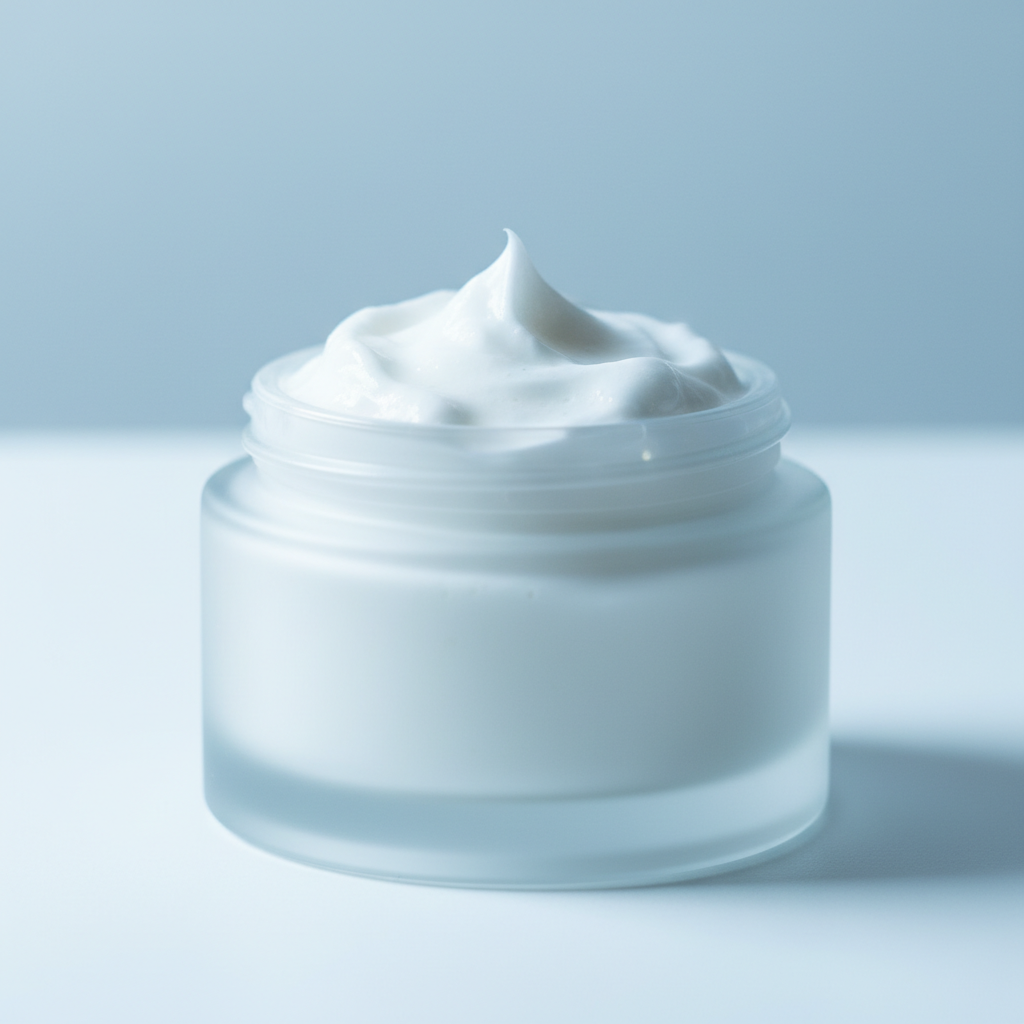
Illiyoon Ceramide Ato Concentrate Cream
~$15–$25
View on Amazon →The Evidence
Panthenol's evidence base is better than most cosmetic ingredients and less exciting, which is a fair trade.
Dexpanthenol has been studied in dermatological contexts for decades, with work supporting its use in barrier repair, wound healing, and the management of irritant reactions. It is not a cosmetic ingredient that acquired a research veneer — it came from the pharmaceutical side and moved into cosmetics.
The practical consequence is that when a product contains panthenol at a meaningful concentration for barrier support, you can be reasonably confident it will do what it says. That confidence level is unusual in this industry, and it's why panthenol turns up in the formulations of brands that are otherwise conservative about claims.
The limitation is scope. The evidence supports barrier function, hydration, soothing and healing. It does not extend to the outcomes people usually spend money chasing, and a product marketing panthenol as an anti-ageing hero is stretching a solid ingredient past what it does.
Panthenol, D-Panthenol, Dexpanthenol
The naming is genuinely confusing and the distinction is small but real.
Panthenol exists as two mirror-image forms, D and L. Only the D form — D-panthenol, also called dexpanthenol — converts to pantothenic acid and is biologically active. The L form is inert in this context.
'DL-panthenol' is a racemic mixture, meaning roughly half of it is the inactive form. So a product listing DL-panthenol at 5% is delivering roughly the active equivalent of 2.5% dexpanthenol.
Most quality formulations use D-panthenol, and ingredient lists frequently just say 'panthenol' without specifying. In practice this is a minor point — the difference is a factor of two in a well-tolerated ingredient with a wide effective range, not the difference between working and not working. But if you're comparing two products and one specifies D-panthenol or dexpanthenol while the other says DL, that's a small genuine advantage.
The pharmacy repair balms that built this ingredient's reputation typically use dexpanthenol and state the concentration, which is part of why they're worth the reference-point status they have.
Concentration and What to Look For
Panthenol is used across a wide range, and the range maps roughly onto purpose.
Around 0.5% to 2% is the common cosmetic inclusion level, where it functions as a humectant and general conditioning agent. This is what's in most moisturisers and essences that list it mid-way down.
Around 2% to 5% is the therapeutic range for barrier repair and soothing, and this is where the ingredient earns its reputation. The well-known pharmacy repair balms sit at 5%.
Above 5% is uncommon in leave-on cosmetics and starts to affect texture — panthenol at high concentration is noticeably tacky, which is the practical ceiling on how much a formulator will use.
What this means for reading a label: panthenol high on an ingredient list, or a stated percentage of 2% or more, indicates a product built around it. Panthenol below the preservatives is a conditioning trace, which is not a criticism — it's doing a small useful job there — but it isn't a barrier treatment.
Korean formulations use panthenol heavily and generally well, often paired with centella, heartleaf or mugwort in calming products, which is a sensible combination of a well-evidenced barrier ingredient with better-evidenced botanicals than most.
How to Use It
There is essentially nothing to manage, which is the appeal.
Panthenol is compatible with every common active — retinoids, acids, vitamin C, niacinamide, peptides — with no layering restrictions, no photosensitivity, and no introduction period. Morning and night.
Its best use is alongside irritating actives. A panthenol-containing moisturiser applied after a retinoid, or a panthenol serum as a buffer, measurably improves tolerability for a lot of people, and that is a genuinely useful role — the ingredient that keeps you on the treatment that's actually working.
It is also the right thing to reach for when you've over-exfoliated or compromised your barrier. Drop the actives, use a bland panthenol-and-ceramide moisturiser, wait two weeks. That's the whole protocol, and it works better than adding a repair serum on top of the routine that caused the problem.
One expectation to set: panthenol makes skin feel better quickly and looks like nothing dramatic. If you want visible change in tone or texture, panthenol is the supporting ingredient that lets you tolerate the active that will deliver it — not the active itself.
Frequently Asked Questions
What does panthenol actually do?+
Four things, well supported: it hydrates as a humectant, it supports barrier function and reduces transepidermal water loss, it soothes irritation, and it has a long clinical history in wound healing. What it doesn't do is address wrinkles, pigmentation or photoageing — it's a barrier and comfort ingredient, not an anti-ageing active.
What's the difference between panthenol and dexpanthenol?+
Panthenol exists as D and L mirror forms, and only the D form — dexpanthenol — converts to active pantothenic acid. 'DL-panthenol' is roughly half inactive, so 5% DL delivers about the active equivalent of 2.5% dexpanthenol. It's a real distinction but a minor one in practice, given how wide the ingredient's effective range is.
What concentration of panthenol do I need?+
Around 2-5% is the therapeutic range for barrier repair and soothing — the well-known pharmacy repair balms sit at 5%. Below that, roughly 0.5-2%, it's a general conditioning agent, which is what most moisturisers listing it mid-way down are using. Above 5% it gets noticeably tacky, which is the practical ceiling.
Author
Glowstice Editorial
The Glowstice editorial team consists of skincare researchers, cosmetic chemists, and science writers dedicated to translating peer-reviewed dermatology into practical guidance for curious consumers.