As an Amazon Associate, Glowstice earns from qualifying purchases, at no extra cost to you. Learn more · How we evaluate products
Quick Picks
- Shop Now →
Best Premium
Dyson Supersonic Nural Hair Dryer
~$349
- Shop Now →
Best Lightweight Classic
T3 Featherweight StyleMax Hair Dryer
~$160
- Shop Now →
Best Value High-Speed
Shark SpeedStyle Pro Flex Hair Dryer
~$149
- Shop Now →
Best Budget High-Speed
Laifen Swift High-Speed Hair Dryer
~$98
- Shop Now →
Best Heat Protectant
RŌZ Lightweight Leave-In Conditioner and Heat Protectant
~$52
| Product | Price | Link |
|---|---|---|
Best Premium Dyson Supersonic Nural Hair Dryer | ~$349 | Shop Now → |
Best Lightweight Classic T3 Featherweight StyleMax Hair Dryer | ~$160 | Shop Now → |
Best Value High-Speed Shark SpeedStyle Pro Flex Hair Dryer | ~$149 | Shop Now → |
Best Budget High-Speed Laifen Swift High-Speed Hair Dryer | ~$98 | Shop Now → |
Best Heat Protectant RŌZ Lightweight Leave-In Conditioner and Heat Protectant | ~$52 | Shop Now → |
Prices last checked on November 21, 2026 and rounded to the dollar. Amazon prices change often; the price shown at checkout is the one that applies.
A high-speed hair dryer is one of the most popular premium beauty purchases, and the pitch is simple: faster drying with less heat means less damage. The idea holds up better than most beauty-device claims, because there's actual research on how heat and drying time affect hair. But the difference comes from how you dry as much as which dryer you buy. Here's the science, and how four leading dryers compare.
Editor's Product Picks

Dyson Supersonic Nural Hair Dryer
~$349
Sold by Amazon.comShop Now →
Shark SpeedStyle Pro Flex Hair Dryer
~$149
Sold by Amazon.comShop Now →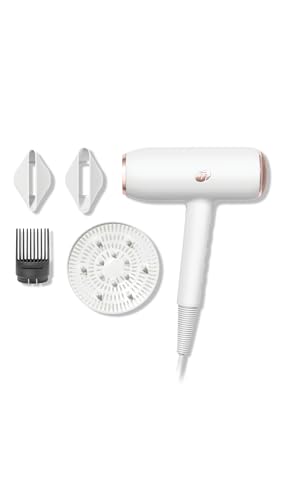
T3 Featherweight StyleMax Hair Dryer
~$160
Sold by Amazon.comShop Now →
Laifen Swift High-Speed Hair Dryer
~$98
Sold by Laifen Direct, a third-party sellerShop Now →
RŌZ Lightweight Leave-In Conditioner and Heat Protectant
~$52
Sold by ROZ Hair, a third-party sellerShop Now →Prices last checked on November 21, 2026 and rounded to the dollar. Amazon prices change often; the price shown at checkout is the one that applies.
What Actually Damages Hair
The outer layer of each hair, the cuticle, is made of overlapping scales. High heat lifts and cracks those scales, which makes hair look dull and frizzy and leaves it more prone to breakage. The hotter the air and the closer the nozzle, the more surface damage builds up over time.
Water is a stressor too. Hair swells when wet, and staying wet for a long time strains the internal structure that holds the cuticle together.
What the Research Found
A frequently cited 2011 study in the Annals of Dermatology tested hair dried 30 times in different ways, from air-drying to a dryer at increasing temperatures and decreasing distances.
- Surface damage increased as dryer temperature increased.
- Air-dried hair showed damage to the cell membrane complex, the internal 'glue' between cells, which the dryer-dried samples didn't.
- The researchers concluded that a dryer used at about 15 cm (6 inches) with continuous motion caused less damage than drying naturally.
It was a small lab study on hair samples, but its message matches stylists' advice: moderate heat, some distance, keep it moving.
Related Reading
Why High-Speed Dryers Help
Traditional dryers rely on heat. High-speed dryers use small, fast brushless motors to move much more air, so hair dries faster at a lower temperature. Most also measure air temperature many times a second and adjust the heater to prevent spikes.
That combination, less time and less peak heat, is the real benefit. It doesn't make a dryer damage-free: on the highest heat setting, held close, any dryer can still damage hair.
Features That Matter (and Ones That Don't)
| Feature | Worth paying for? |
|---|---|
| Temperature regulation | Yes: prevents heat spikes |
| Multiple heat and speed settings | Yes |
| Scalp or low-heat mode | Useful for close root drying |
| Weight and size | Matters if you dry long or thick hair |
| Attachments | Useful if you'll actually use them |
| 'Negative ions' | Limited independent evidence; treat as a bonus |
Ion claims are common in dryer marketing, but there's little independent research showing a meaningful effect on frizz beyond what faster, lower-heat drying already gives you.
How to Blow-Dry With Less Damage
- Blot hair with a towel or microfiber wrap first; don't rub.
- Apply a heat protectant.
- Rough-dry on medium heat until hair is about 70% dry.
- Keep the nozzle around 6 inches away and keep it moving.
- Use high heat only briefly for styling, then finish on the cool shot.
If your hair is fine, bleached or already damaged, stay on the lower settings.
Gift idea: A high-speed dryer is one of the most-used beauty gifts: see our Christmas gifts for women.
Why We Picked These
Dyson Supersonic Nural Hair Dryer (~$349) is the premium pick. Its sensors drive a scalp-protect mode that Dyson says targets 130°F at the scalp, attachments that remember your settings, and a pause mode that cuts the heat when you put it down.
Shark SpeedStyle Pro Flex Hair Dryer (~$149) is the best value high-velocity dryer. Shark says it never exceeds 230°F, and it adds a Scalp Shield mode and a folding handle for travel.
T3 Featherweight StyleMax Hair Dryer (~$160) is a lightweight ionic dryer with five heat and three speed settings and four attachments, a strong pick if you prefer a classic dryer shape.
Laifen Swift High-Speed Hair Dryer (~$98) is the budget high-speed option: a 110,000 RPM brushless motor with temperature monitoring up to 100 times per second, according to Laifen.
RŌZ Lightweight Leave-In Conditioner and Heat Protectant (~$52) is the step to pair with any dryer: a silicone-free leave-in that RŌZ designs as a heat protectant and blow-dry primer, with hyaluronic acid and red algae. Apply it to towel-dried hair before you dry.
Frequently Asked Questions
Do high-speed hair dryers really cause less damage?+
They can, because they dry hair faster at lower temperatures and regulate heat to avoid spikes. Research shows surface damage rises with temperature, so less heat for less time helps. Using the highest heat up close can still damage hair.
Is air-drying better than blow-drying?+
Not necessarily. A 2011 study found that a dryer used about 6 inches away, kept moving, caused less damage than drying naturally, because long periods wet also stress hair.
Is a Dyson hair dryer worth it?+
If you blow-dry often, a temperature-regulated high-speed dryer is a worthwhile upgrade. Dyson's extras, like scalp sensing and attachment memory, are conveniences; lower-priced high-speed dryers deliver much of the same core benefit.
Author
Glowstice Editorial
The Glowstice editorial team consists of skincare researchers, cosmetic chemists, and science writers dedicated to translating peer-reviewed dermatology into practical guidance for curious consumers.