As an Amazon Associate, Glowstice earns from qualifying purchases, at no extra cost to you. Learn more · How we evaluate products
Quick Picks
- Shop Now →
Best Premium Retinoid
Medik8 Crystal Retinal 3
~$49
- Shop Now →
Best Vitamin C
Paula's Choice C15 Super Booster
~$41
- Shop Now →
Best Daily Sunscreen
La Roche-Posay Anthelios Melt-In Milk SPF 60
~$28
- Shop Now →
Best Starter Retinoid
CeraVe Retinol Serum
~$18
| Product | Price | Link |
|---|---|---|
Best Premium Retinoid Medik8 Crystal Retinal 3 | ~$49 | Shop Now → |
Best Vitamin C Paula's Choice C15 Super Booster | ~$41 | Shop Now → |
Best Daily Sunscreen La Roche-Posay Anthelios Melt-In Milk SPF 60 | ~$28 | Shop Now → |
Best Starter Retinoid CeraVe Retinol Serum | ~$18 | Shop Now → |
Prices last checked on November 21, 2026 and rounded to the dollar. Amazon prices change often; the price shown at checkout is the one that applies.
'Collagen banking' is one of the most-searched skincare ideas of the year: start protecting and building collagen in your twenties and thirties so there's more of it left later. Dermatologists are quick to point out that the name is marketing. Skin doesn't store collagen in reserve. But the underlying advice, prevent collagen loss and encourage new production, is some of the best-supported in all of skincare. The trick is separating that from the expensive extras sold under the same banner.
Editor's Product Picks

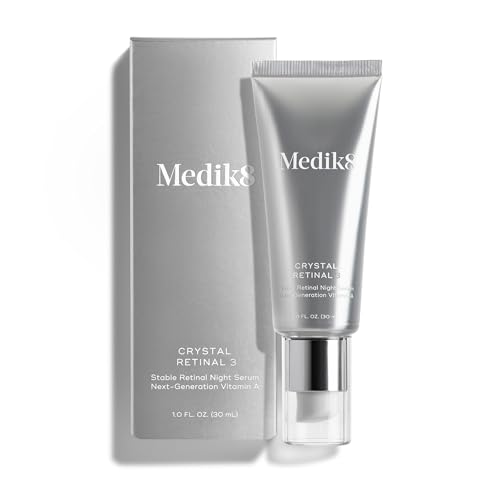
Medik8 Crystal Retinal 3
~$49
Sold by Medik8, a third-party sellerShop Now →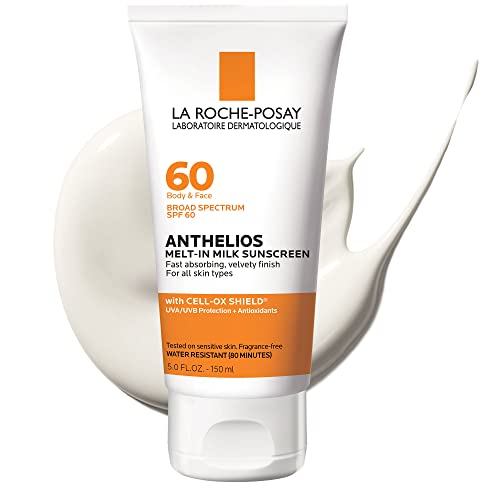
La Roche-Posay Anthelios Melt-In Milk SPF 60
~$28
Sold by Amazon.comShop Now →
Paula's Choice C15 Super Booster
~$41
Sold by Paula's Choice Skincare, a third-party sellerShop Now →Prices last checked on November 21, 2026 and rounded to the dollar. Amazon prices change often; the price shown at checkout is the one that applies.
What 'Collagen Banking' Means
There's no scientific evidence that skin stockpiles extra collagen. In practice, dermatologists use 'collagen banking' as shorthand for two things: protecting the collagen you already have, and consistently encouraging your skin to make more. Think of it as maintenance rather than savings.
How Collagen Declines
Collagen production slows with age. Estimates commonly cited put the decline at roughly 1% a year from the mid-twenties. On top of that, UV exposure breaks collagen down directly, which is why sun damage, not age alone, accounts for much of what we think of as skin ageing. Smoking and poor sleep add to it.
That's why the two pillars of any collagen-banking plan are the same: stop the breakdown, and stimulate production.
Related Reading
What Actually Works
Daily sunscreen. The single most effective way to protect existing collagen. Broad-spectrum SPF 30 or higher, every day, reapplied when you're outdoors.
Retinoids. Prescription retinoids such as tretinoin have the strongest trial and biopsy evidence for increasing collagen in the skin. Over-the-counter retinol and retinal (retinaldehyde) work on the same pathway, more gently and more slowly.
Vitamin C. An antioxidant that helps neutralise UV-driven damage and is needed for collagen production. It works best in the morning under sunscreen.
In-clinic treatments, such as lasers, radiofrequency and microneedling, measurably stimulate collagen. What isn't established is that doing them on young, undamaged skin gives a lasting advantage decades later.
What Doesn't (or Isn't Proven)
- Collagen creams. Collagen molecules are too large to reach the layer of skin where collagen lives. A collagen cream is a moisturiser, which is fine, but it isn't adding collagen.
- Collagen supplements. The evidence is mixed. Many studies are small and funded by the companies that sell them, and large independent trials are limited.
- Expensive prevention packages. Bundles of a dozen clinic treatments a year for people in their twenties are far more than young skin needs, and the long-term payoff is unproven.
A Collagen-Banking Routine by Budget
| Morning | Evening | |
|---|---|---|
| Essential | Broad-spectrum SPF 30+ | Gentle retinol, building up slowly |
| Next step | Add a vitamin C serum under SPF | Move to retinal or a stronger retinoid |
| Optional | Antioxidant serum swaps | Ask a dermatologist about tretinoin |
Start the retinoid two or three nights a week and build up. Use sunscreen every day you use a retinoid; retinoids make skin more sensitive to the sun.
Why We Picked These
CeraVe Retinol Serum (~$18) is the low-irritation way to start: encapsulated retinol with niacinamide, ceramides and hyaluronic acid. CeraVe recommends building up to daily use.
Medik8 Crystal Retinal 3 (~$49) is the premium next step. Retinal (retinaldehyde) converts to the active form in fewer steps than retinol, and the 3 is Medik8's beginner strength.
La Roche-Posay Anthelios Melt-In Milk SPF 60 (~$28) is a broad-spectrum, water-resistant sunscreen for face and body, the non-negotiable half of the plan.
Paula's Choice C15 Super Booster (~$41) is a 15% vitamin C serum with ferulic acid and vitamin E for the morning step.
Frequently Asked Questions
Does collagen banking actually work?+
The name is marketing, since skin doesn't store collagen. But the habits behind it work: daily sunscreen protects existing collagen, and retinoids have strong evidence for increasing collagen production over time.
At what age should you start collagen banking?+
Collagen production starts slowing in your mid-twenties, so daily sunscreen makes sense at any age and a gentle retinoid is reasonable from your mid-twenties. Expensive clinic treatments aren't necessary for young, healthy skin.
Do collagen creams or supplements help?+
Collagen creams can't deliver collagen into the skin; they work as moisturisers. Evidence for collagen supplements is mixed and largely industry-funded.
Author
Glowstice Editorial
The Glowstice editorial team consists of skincare researchers, cosmetic chemists, and science writers dedicated to translating peer-reviewed dermatology into practical guidance for curious consumers.