As an Amazon Associate, Glowstice earns from qualifying purchases, at no extra cost to you. Learn more · How we evaluate products
Quick Picks
- Shop Now →
Best Combination Formula
SeoulCeuticals Kojic Acid Serum
~$21
- Shop Now →
Best K-Beauty Serum
medicube Kojic Acid Turmeric Clarifying Capsule Serum
~$15
- Shop Now →
Best Moisturiser
medicube Capsule Cream with Kojic Acid & Turmeric
~$15
- Shop Now →
Best Budget
Kojie San Original Kojic Acid Soap
~$5
| Product | Price | Link |
|---|---|---|
Best Combination Formula SeoulCeuticals Kojic Acid Serum | ~$21 | Shop Now → |
Best K-Beauty Serum medicube Kojic Acid Turmeric Clarifying Capsule Serum | ~$15 | Shop Now → |
Best Moisturiser medicube Capsule Cream with Kojic Acid & Turmeric | ~$15 | Shop Now → |
Best Budget Kojie San Original Kojic Acid Soap | ~$5 | Shop Now → |
Prices last checked on November 21, 2026 and rounded to the dollar. Amazon prices change often; the price shown at checkout is the one that applies.
Kojic acid has had a second life on social media: kojic soap bars in body-care hauls, and a new wave of Korean serums and creams pairing it with turmeric and niacinamide. It isn't new. It has been used for skin brightening in Japan for decades. It does work on the pathway that makes pigment, but it's a supporting player rather than a miracle. Here's how to use it without paying for it in irritation.
Editor's Product Picks
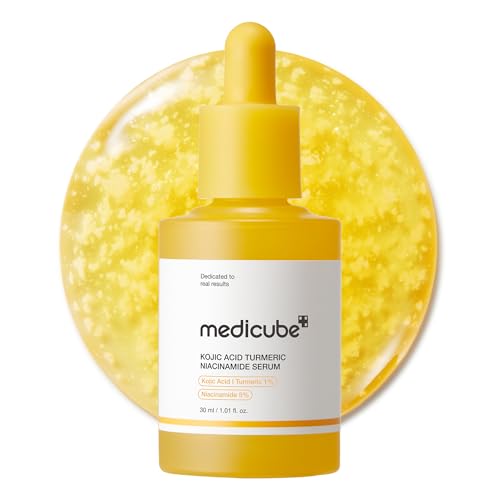
medicube Kojic Acid Turmeric Clarifying Capsule Serum
~$15
Sold by Medicube & Aprilskin, a third-party sellerShop Now →
SeoulCeuticals Kojic Acid Serum
~$21
Sold by Digital Beauty Group, a third-party sellerShop Now →
medicube Capsule Cream with Kojic Acid & Turmeric
~$15
Sold by Medicube & Aprilskin, a third-party sellerShop Now →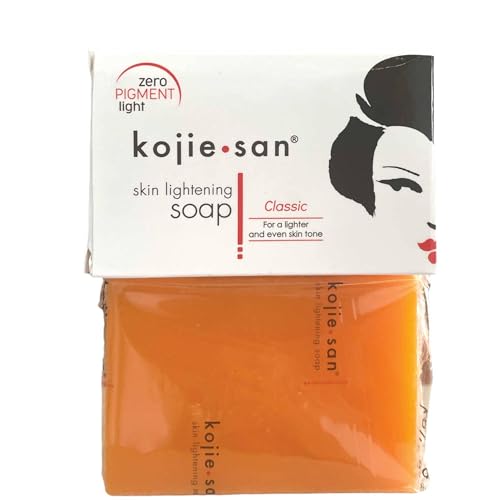
Kojie San Original Kojic Acid Soap
~$5
Sold by Lemtex, a third-party sellerShop Now →Prices last checked on November 21, 2026 and rounded to the dollar. Amazon prices change often; the price shown at checkout is the one that applies.
What Kojic Acid Is
Kojic acid is made by fungi, notably Aspergillus species, during fermentation, including the fermentation of rice used to make sake. In skincare it's used as a brightening ingredient. You'll also see kojic dipalmitate, a modified form that is more stable in formulas but may be less active.
How It Works on Dark Spots
Pigment is made by an enzyme called tyrosinase, which needs copper to work. Kojic acid binds that copper and slows the enzyme down, so less new pigment is produced. That means it helps fade dark spots gradually as skin turns over. It doesn't bleach existing pigment, and it can't outrun ongoing sun exposure.
Related Reading
What the Evidence Says
The evidence is real but modest:
- Most studies use 1–4% kojic acid, usually combined with other ingredients such as glycolic acid or hydroquinone.
- In comparison studies, adding kojic acid to a glycolic acid product improved results over glycolic acid alone.
- On its own, kojic acid is generally considered less potent than hydroquinone, the long-standing prescription standard.
In practice, dermatologists treat it as one useful part of a brightening routine, alongside sunscreen and ingredients such as niacinamide, azelaic acid or tranexamic acid.
Irritation and Safety
Kojic acid can irritate, and in some people it causes allergic contact dermatitis, especially at higher strengths. European safety regulators consider it safe at up to 1% in leave-on face and hand products, and the EU now caps it at that level.
Kojic soaps are a rinse-off format, so contact time is short, which limits both the benefit and the risk. Popular soap brands are widely counterfeited, so buy from a reputable seller. Stop using any product that causes burning, rash or itching, and patch test first if your skin is sensitive.
How to Use It
- Patch test for a few days on a small area.
- Start once a day, in the evening, on clean skin.
- Don't stack it with several other strong actives (high-strength acids, retinoids) on the same night while you're starting out.
- Wear broad-spectrum SPF 30+ every day. Without it, no brightening ingredient will keep up.
- Give it 8–12 weeks before judging results.
See a dermatologist for melasma or spots that change shape or colour.
Why We Picked These
medicube Kojic Acid Turmeric Clarifying Capsule Serum (~$15) is the K-beauty take on the trend, pairing kojic acid with turmeric and niacinamide in a lightweight serum.
SeoulCeuticals Kojic Acid Serum (~$21) is a stronger combination formula: kojic acid with alpha arbutin, licorice, glycolic and salicylic acid. Introduce it slowly; the acids add exfoliation and irritation potential.
medicube Capsule Cream with Kojic Acid & Turmeric (~$15) is the moisturiser version, an easy way to add kojic acid without an extra step.
Kojie San Original Kojic Acid Soap (~$5) is the soap bar behind the viral trend. Rinse-off use is gentler but less effective, and this listing is sold by a third-party seller, so check you're getting the genuine product.
Frequently Asked Questions
Does kojic acid really fade dark spots?+
It can help, gradually. Kojic acid slows the enzyme that makes pigment. Evidence is modest and mostly comes from formulas combining it with other brighteners, so expect gradual improvement over 8–12 weeks with daily sunscreen.
Is kojic acid safe to use every day?+
Low-strength products are usually fine daily once your skin tolerates them. Kojic acid can cause irritation and allergic reactions, so patch test first. EU regulators cap it at 1% in leave-on face and hand products.
Is kojic acid better than hydroquinone?+
No. Hydroquinone is generally considered more potent. Kojic acid is a gentler, over-the-counter option that works best combined with other brightening ingredients.
Author
Glowstice Editorial
The Glowstice editorial team consists of skincare researchers, cosmetic chemists, and science writers dedicated to translating peer-reviewed dermatology into practical guidance for curious consumers.