As an Amazon Associate, Glowstice earns from qualifying purchases, at no extra cost to you. Learn more · How we evaluate products
Quick Picks
- Shop Now →
Best Cream Format
d'Alba Piedmont White Truffle Intensive Volufiline Grinding Cream
~$30
- Shop Now →
Most Concentrated
The Ordinary Volufiline 92% + Pal-Isoleucine 1%
~$21
- Shop Now →
Best Peptide Combo
SKIN1004 Matrixyl 10% Boosting Shot Ampoule
~$20
| Product | Price | Link |
|---|---|---|
Best Cream Format d'Alba Piedmont White Truffle Intensive Volufiline Grinding Cream | ~$30 | Shop Now → |
Most Concentrated The Ordinary Volufiline 92% + Pal-Isoleucine 1% | ~$21 | Shop Now → |
Best Peptide Combo SKIN1004 Matrixyl 10% Boosting Shot Ampoule | ~$20 | Shop Now → |
Prices last checked on November 21, 2026 and rounded to the dollar. Amazon prices change often; the price shown at checkout is the one that applies.
Volufiline is the ingredient behind this year's 'filler in a bottle' videos: serums that claim to plump hollow under-eyes, cheeks and smile lines by building volume rather than just hydrating the surface. It's a real, patented ingredient with a genuinely interesting lab mechanism. It's also a case study in how far marketing can run ahead of the human evidence, so this guide separates the two.
Editor's Product Picks
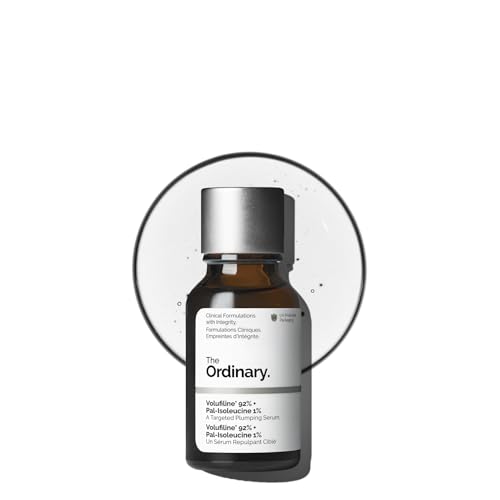
The Ordinary Volufiline 92% + Pal-Isoleucine 1%
~$21
Sold by Amazon.comShop Now →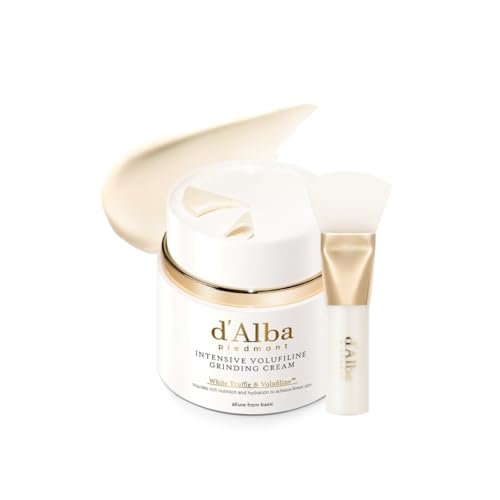
d'Alba Piedmont White Truffle Intensive Volufiline Grinding Cream
~$30
Sold by d'Alba official, a third-party sellerShop Now →
SKIN1004 Matrixyl 10% Boosting Shot Ampoule
~$20
Sold by SKIN1004 US, a third-party sellerShop Now →Prices last checked on November 21, 2026 and rounded to the dollar. Amazon prices change often; the price shown at checkout is the one that applies.
What Volufiline Is
Volufiline is a trademarked ingredient made by the French supplier Sederma. Its active compound is sarsasapogenin, extracted from the root of Anemarrhena asphodeloides, a plant used in traditional Chinese medicine, delivered in an oil base.
On a label it usually appears with a percentage of the Volufiline ingredient itself. A '92%' product means 92% of the formula is the Volufiline raw material (the oil and the active together), not 92% sarsasapogenin.
The Mechanism: Making Fat Cells Store More
Most 'plumping' products work on the surface: humectants pull water into the skin and swell it slightly for a few hours. Volufiline is pitched differently, at the fat layer beneath the skin.
In cell studies described in Sederma's patent, sarsasapogenin made fat cells (adipocytes) take up and store more lipid, in a dose-dependent way, and the effect was reproduced in human fat cells in culture. More stored lipid means larger fat cells, which in theory means more volume.
That's the part that's genuinely interesting. The open question is whether enough of the active reaches those cells through intact facial skin to make a visible difference.
Related Reading
How Strong the Evidence Is
Short answer: thin.
- The main human data is a small study run by the manufacturer, applied to breast tissue rather than the face, with around 30 participants. Reported volume increases differ between sources, and the headline figures come from the supplier rather than an independent publication.
- We could not find an independent, controlled trial of Volufiline on facial volume.
- Dermatologists interviewed about the trend are sceptical that a topical can stimulate enough fat to replace lost volume, and the long-term effect of repeatedly nudging fat cells in the face hasn't been studied.
So the ingredient isn't fake. It just hasn't been proven to do what the 'filler' framing implies.
Realistic Expectations
If you try a Volufiline serum, the most likely visible change is a smoother, more cushioned look from the oil base and the formula's other ingredients, especially under the eyes. If there is a true volume effect, it would take weeks of consistent use and be subtle.
It is not a substitute for hyaluronic acid filler or fat grafting, and it won't reverse significant volume loss, such as after rapid weight loss. For that, see a dermatologist about procedures.
How to Use It
Apply to the areas that look hollow (under-eyes, cheeks, smile lines), usually after moisturiser, morning and evening; The Ordinary's directions say exactly this. Give it at least eight weeks before judging. Patch test first: the oil base can feel heavy, and some people get a slight tingle. It pairs fine with peptides and hyaluronic acid.
Why We Picked These
The Ordinary Volufiline 92% + Pal-Isoleucine 1% (~$21) is the most concentrated, straightforward way to try the ingredient: a water-free, oil-like serum you apply to hollow areas after moisturiser.
d'Alba Piedmont White Truffle Intensive Volufiline Grinding Cream (~$30) puts 5% Volufiline (50,000ppm, per d'Alba) into a rich cream with white truffle and vegan collagen, for people who'd rather use one product than add a serum.
SKIN1004 Matrixyl 10% Boosting Shot Ampoule (~$20) pairs 5% Volufiline with 10% Matrixyl peptide and spicules. SKIN1004 advises building up from two or three uses a week.
Frequently Asked Questions
Does Volufiline really work like filler?+
No. Volufiline made fat cells store more lipid in lab studies, but the human evidence is a single small manufacturer-run study on breast tissue. There is no independent proof it replaces lost facial volume the way filler does.
How long does Volufiline take to work?+
Brands and the manufacturer talk in terms of four to eight weeks of twice-daily use. Any true volume change would be subtle; most people notice a smoother, cushioned look from the formula first.
Is Volufiline safe to use under the eyes?+
It's widely used around the eyes and The Ordinary's serum is designed for under-eye hollows. Patch test first, avoid getting it in the eyes, and stop if you get persistent irritation.
Author
Glowstice Editorial
The Glowstice editorial team consists of skincare researchers, cosmetic chemists, and science writers dedicated to translating peer-reviewed dermatology into practical guidance for curious consumers.