Affiliate disclosure: This article contains Amazon affiliate links. As an Amazon Associate, Glowstice earns from qualifying purchases — at no extra cost to you. Our editorial recommendations are independent of these partnerships. Learn more.
Body care has been one of the fastest-growing categories in Korean beauty retail, with body serums and treatment lotions driving most of that growth rather than traditional body lotions. The industry term is skinification — applying facial skincare logic, actives and formats to the body. Parts of that are a genuine improvement on a neglected category. Other parts are a repackaging exercise, and telling them apart saves a lot of money.
What's Driving This
Retail data from Olive Young, Korea's dominant beauty retailer, has shown body care among its fastest-growing categories, and the growth is concentrated in the newer formats — body essences, body ampoules, treatment lotions — rather than in conventional moisturisers.
The ingredient story follows the face. PDRN, bamboo extract, PHAs, ceramides and niacinamide have all moved into body formulations, and body sunscreen has improved dramatically in texture because the same consumers who learned to tolerate a good facial sunscreen stopped accepting a thick white body one.
There is also a category-wide shift away from harsh physical abrasion toward what Korean retail calls functional exfoliation — products that exfoliate while also doing something else, rather than scrubs whose entire proposition is roughness. That shift is a genuine improvement and we'll come back to why.
The honest read on the commercial side: body care had very low margins and very little differentiation for decades, and skinification is partly a real formulation advance and partly the industry discovering it could charge serum prices for body products. Both are true simultaneously.
Body Skin Is Genuinely Different
This is the part that determines what actually transfers, and it's usually skipped.
Body skin is thicker over most areas, with a thicker stratum corneum on limbs and trunk than on the face. It has far fewer sebaceous glands outside the chest and back, which is why body skin runs drier — there is less endogenous lipid production to work with.
It also has a slower turnover rate than facial skin, which means exfoliation frequency appropriate for the face is often too aggressive for the body, and results take longer.
And it is subject to mechanical stress facial skin isn't: friction from clothing, pressure, stretching. Shins and forearms are notoriously dry; body folds have completely different microclimates.
The practical consequences. Thicker skin means penetration is harder, so an active at facial concentration in a body product may do less. Lower sebum means occlusives and lipids matter more on the body than they do on the face. And slower turnover means patience, plus a lower tolerance for aggressive exfoliation than the face has.
Related Reading
Editor's Product Picks
Affiliate links — we earn a small commission at no extra cost to you.
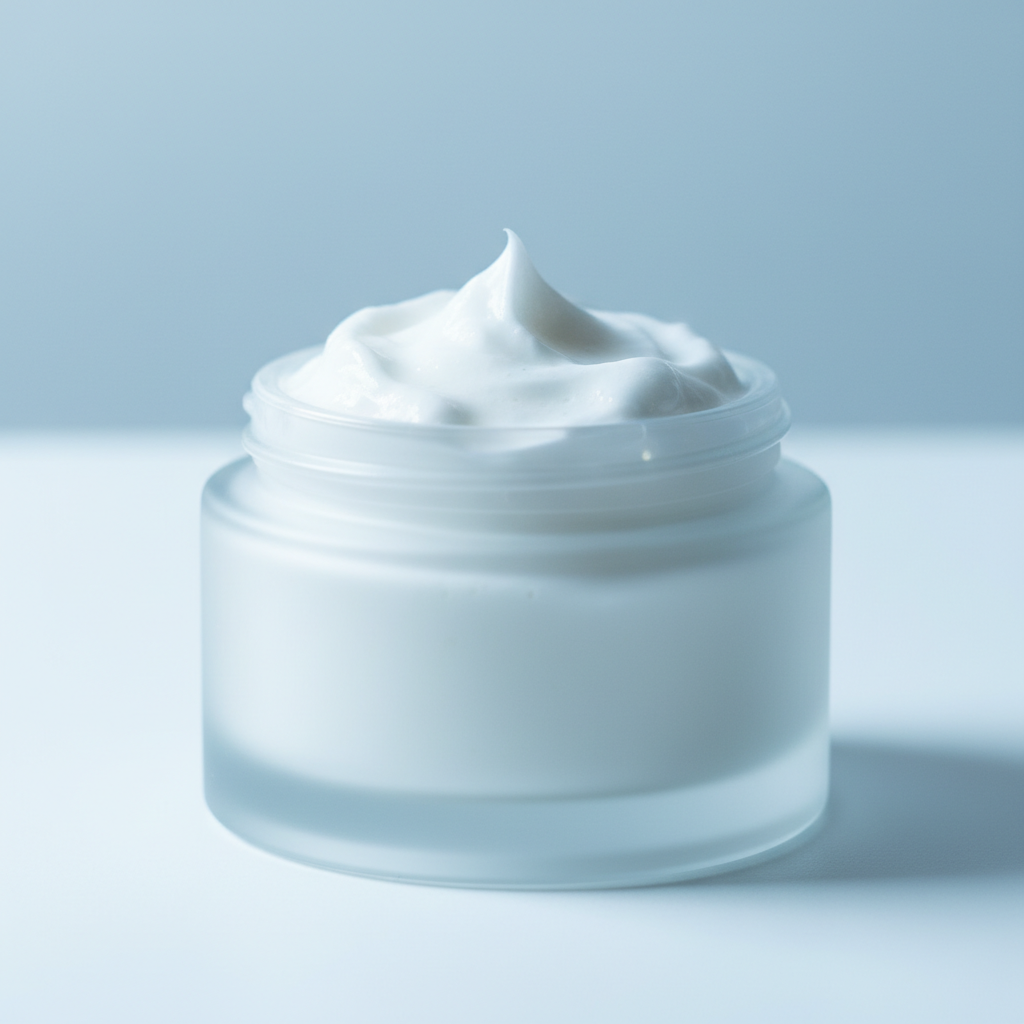
Illiyoon Ceramide Ato Concentrate Cream
~$15–$25
View on Amazon →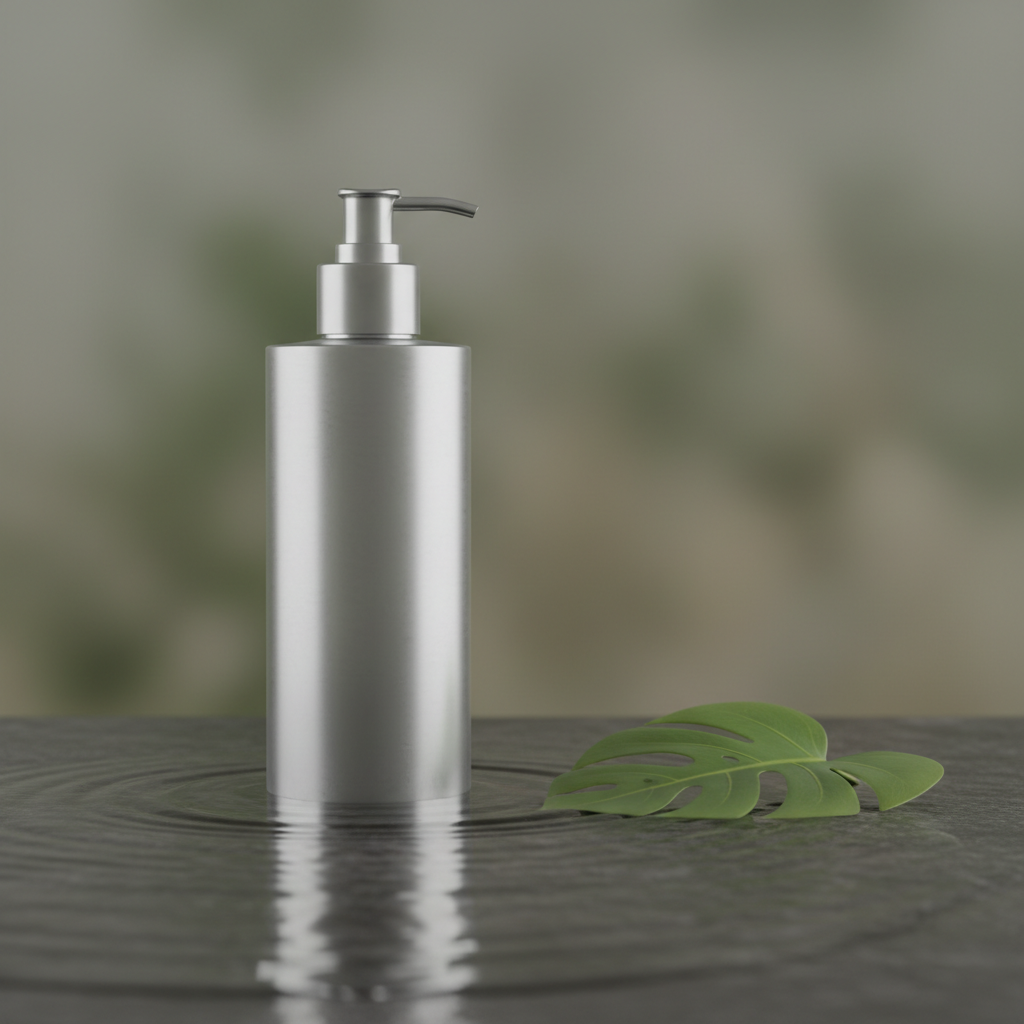
AESTURA ATOBARRIER365 Body Lotion
~$28–$45
View on Amazon →
Korean Exfoliating Mitt (Italy Towel)
What to look for — not a specific product~$5–$10 typical range
Browse on Amazon →What Translates From Face to Body
Ceramides and barrier lipids translate extremely well, and this is the strongest case in the whole trend. Body skin's lower sebum output makes lipid replacement more valuable there than on the face, and ceramide body lotions are a genuine improvement over the mineral-oil-and-fragrance standard that dominated the category. If you buy one thing from this trend, buy this.
Humectants translate well, with the same caveat as the face: glycerin and hyaluronic acid need something over them to seal, and on dry body skin that matters more.
Chemical exfoliants translate, carefully. AHAs and PHAs are excellent for keratosis pilaris — the rough bumps on upper arms and thighs — and for general body texture, and they are meaningfully gentler than scrubbing. PHAs in particular suit the body well, being slow-penetrating and well tolerated.
Sunscreen translates completely, and the texture improvements in Korean body sunscreen are the most underrated part of this trend. The best body sunscreen is the one you'll actually reapply.
Niacinamide translates reasonably for tone and barrier support, at the usual concentrations.
What Doesn't Translate
Retinoids on the body are a mixed proposition. They work — prescription tretinoin is used on the body for specific indications — but irritation over large surface areas is a much bigger problem than on the face, and the cost of treating a whole body at facial concentrations is substantial.
PDRN in body products is, as far as we can tell, the least justified inclusion in this trend. The topical penetration problem we set out in our PN and PDRN guide is worse on thicker body skin, not better, and body products disclose concentration even less often than facial ones. Treat PDRN body products as hydrating lotions with an expensive marketing ingredient.
Vitamin C on the body is a stability and cost problem more than a mechanism problem. It can work; it rarely justifies the price at the volumes body application requires.
And 'body ampoule' as a format is mostly a smaller bottle at a higher price. There are legitimately concentrated body treatments, but the word ampoule on a body product is doing more work commercially than chemically.
The test worth applying: does this product cost more per millilitre than a well-formulated ceramide body lotion, and if so, what is it doing that the lotion isn't?
The Italy Towel Problem
The Italy towel — a viscose exfoliating mitt, the traditional Korean bathhouse implement — deserves a section of its own because it is both genuinely effective and the most common way people damage their body's skin barrier.
What it does: the rough viscose weave physically abrades and rolls away the outer layer of dead skin, and used on well-soaked skin it removes a startling amount. The immediate smoothness is real and it costs a few dollars.
The problem: this is aggressive mechanical exfoliation, and body skin turns over more slowly than facial skin. Used weekly, on someone whose skin tolerates it, it's fine. Used the way it is often described online — vigorously, frequently, until skin is red — it produces barrier damage, irritation, and in deeper skin tones a real risk of post-inflammatory hyperpigmentation from the friction.
Who should be careful or avoid it entirely: anyone with eczema, psoriasis, or keratosis pilaris where inflammation is already present; anyone on retinoids or body acids; anyone with sensitive or easily marked skin. Keratosis pilaris in particular is worth flagging, because it looks like something you should scrub and scrubbing makes it worse — chemical exfoliation with an AHA or PHA is the better approach.
If you use one: no more than weekly, on thoroughly soaked skin, with light pressure, avoiding the chest and any inflamed areas, and moisturise afterwards. Stop if skin is red after.
The broader shift in Korean body care away from harsh abrasion and toward functional exfoliation is, in our view, the correct direction.
A Routine Worth Having
The defensible version of this trend is short and inexpensive.
A gentle, non-stripping body wash. Most body washes are built around harsh surfactants and heavy fragrance, and for dry or sensitive body skin this single swap does more than any treatment product.
A ceramide body lotion or cream, applied to damp skin after showering. This is the core of the routine and where the money should go. Applying to damp skin genuinely matters — it's the same logic as humectants on a damp face.
A chemical exfoliant two or three times a week if you have keratosis pilaris or rough texture. An AHA or PHA body lotion rather than a scrub.
Body sunscreen on exposed areas, which matters as much as facial sunscreen for pigmentation and photoageing and gets applied a fraction as often.
Everything beyond that is optional. Body serums, ampoules and PDRN treatments are where the category's growth is and where its weakest value proposition sits.
Frequently Asked Questions
Is body skinification worth the money?+
Partly. Ceramide and barrier-lipid body products are a genuine improvement over the old mineral-oil-and-fragrance standard, and body skin's lower sebum output makes lipid replacement more valuable there than on the face. Body ampoules, PDRN body treatments and vitamin C body products are where the value proposition gets thin — a good ceramide lotion outperforms most of them per dollar.
Are Italy towels bad for your skin?+
Used weekly with light pressure on well-soaked skin, they're fine and effective. Used the way they're often described online — vigorously, frequently, until skin is red — they cause barrier damage and, in deeper skin tones, real post-inflammatory hyperpigmentation risk from the friction. Avoid entirely with eczema, psoriasis, active inflammation, or while using body retinoids or acids.
What actually works for keratosis pilaris?+
Chemical exfoliation, not scrubbing. An AHA or PHA body lotion used two or three times a week, plus consistent barrier moisturising. Keratosis pilaris looks like something you should scrub off, and scrubbing reliably makes the inflammation worse — it's the most common mistake in body care.
Author
Glowstice Editorial
The Glowstice editorial team consists of skincare researchers, cosmetic chemists, and science writers dedicated to translating peer-reviewed dermatology into practical guidance for curious consumers.