Affiliate disclosure: This article contains Amazon affiliate links. As an Amazon Associate, Glowstice earns from qualifying purchases — at no extra cost to you. Our editorial recommendations are independent of these partnerships. Learn more.
Houttuynia cordata — heartleaf — has a long history in Korean, Japanese, and Chinese traditional medicine, where it was used far more often as a poultice or tea than as a cosmetic. Its jump into mainstream skincare is recent and largely traceable to one brand: Anua built an entire product line, and much of its global reputation, on heartleaf extract at high stated concentrations. The plant genuinely contains anti-inflammatory compounds with plausible mechanisms. It's also a good case study in how far ahead of the clinical evidence a K-beauty ingredient trend can run.
What Heartleaf Actually Is
Houttuynia cordata is a low-growing perennial native to East and Southeast Asia, named for its distinctly heart-shaped leaves. In Korea it's known as eosuncho, and it has a genuinely unusual sensory signature — crushed leaves have a sharp, fishy smell (its English common name in some regions is literally 'fish mint'), which is why cosmetic formulations use processed, deodorized extracts rather than raw plant material.
In traditional use it was applied to inflamed skin, insect bites, and minor wounds, and taken internally for respiratory complaints. That traditional-use history is real and well-documented, but it's worth separating clearly from modern clinical evidence for topical cosmetic application — the two are not the same standard of proof, and a long traditional record tells you an ingredient is probably well-tolerated, not that it does what a product claims.
The Active Compounds: Quercitrin and Beyond
Heartleaf's bioactivity is generally attributed to its flavonoid fraction — principally quercitrin, hyperoside, rutin, and related polyphenols — alongside a mix of volatile oils and alkaloids. Quercitrin in particular is a well-characterised flavonoid glycoside with documented antioxidant and anti-inflammatory activity in laboratory settings.
The proposed mechanism is the same one behind most botanical calming ingredients: these polyphenols appear to downregulate pro-inflammatory signalling, reducing the output of cytokines like IL-1β and TNF-α that drive visible redness and irritation. That effect has been demonstrated repeatedly in cell-culture work, including a 2025 in vitro study on interleukin-1β-induced inflammation in human epithelial cells. What's important to note is where that research was conducted — in cultured cells, not on human facial skin in a controlled trial.
Related Reading
Editor's Product Picks
Affiliate links — we earn a small commission at no extra cost to you.
Anua Heartleaf 77% Soothing Toner
~$20
View on Amazon →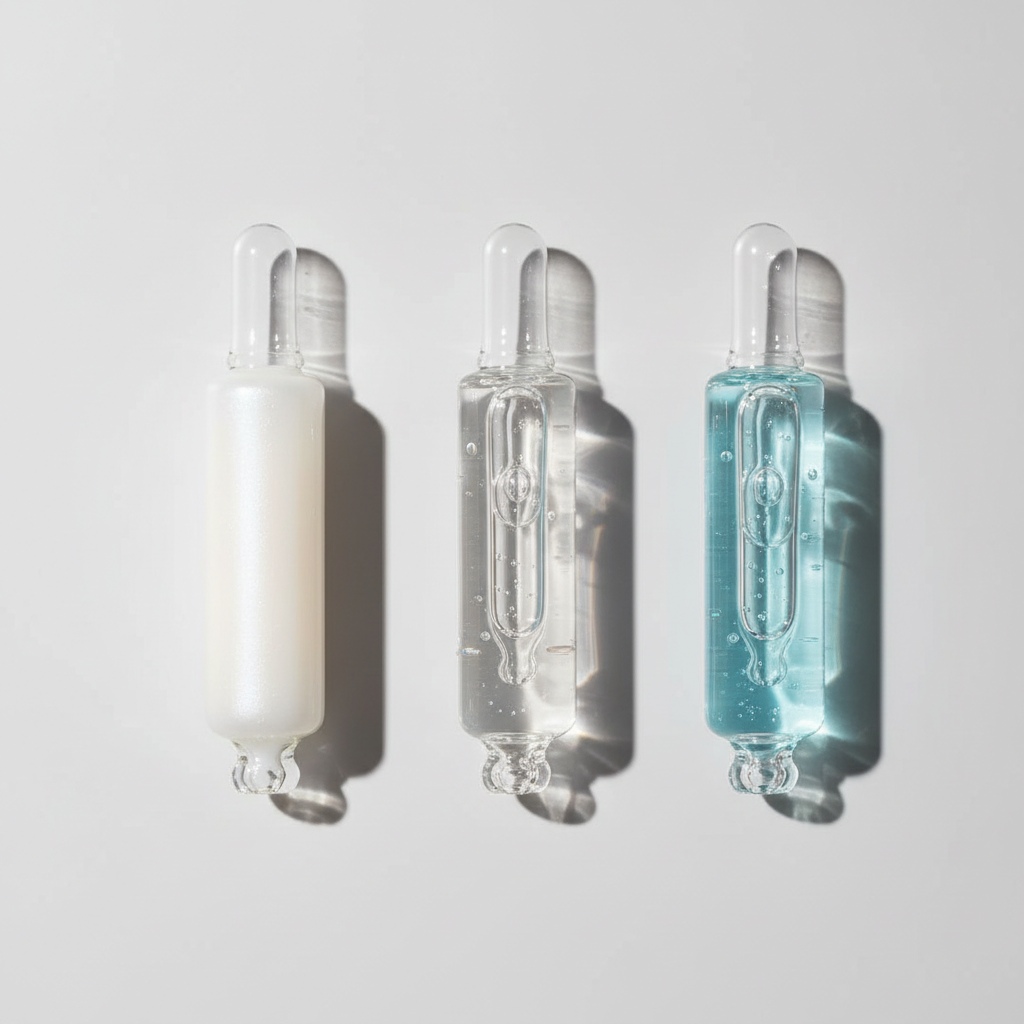
Anua Heartleaf 80 Moisture Soothing Ampoule
~$26–$28
View on Amazon →
Abib Heartleaf Calming Tube Cream
~$22–$30
View on Amazon →What the Research Actually Shows
Being precise here matters, because heartleaf marketing frequently cites impressive-sounding percentage reductions in inflammatory markers without noting the context. The bulk of the published work on Houttuynia cordata is in vitro (cell culture) or animal-model research, plus a substantial body of research on oral/systemic use that has little bearing on what a toner does to your face.
There is also credible laboratory evidence of antibacterial activity against a range of organisms including Cutibacterium acnes, the bacterium implicated in inflammatory acne — which is the basis for heartleaf's positioning in blemish-focused products. Again, antibacterial activity in a petri dish is a genuine finding, but it does not automatically translate to meaningful acne reduction on skin, where penetration, concentration at the follicle, and formulation all intervene.
The honest summary: heartleaf has a plausible, mechanistically coherent anti-inflammatory story supported by laboratory work, minimal published human topical trial data, and a large volume of consumer reports of reduced redness. That is a reasonable basis for trying it. It is not the same evidence tier as niacinamide or azelaic acid.
Heartleaf vs. Centella: Which for What
These two get marketed almost interchangeably as K-beauty's calming botanicals, but they're different plants with different active chemistry and, importantly, different depths of evidence. Centella asiatica's actives are triterpenes — madecassoside, asiaticoside, asiatic acid — and centella has a considerably larger body of human research behind it, including work on wound healing and barrier repair that predates its cosmetic popularity.
Heartleaf's actives are flavonoids, and its clinical file is thinner. Where heartleaf has a practical edge is texture and formulation: because the extract is water-based and used at very high stated percentages, heartleaf products tend to be extremely lightweight, which suits oily and combination skin that finds richer centella creams heavy. If you have genuinely compromised, reactive, or post-procedure skin, centella remains the better-evidenced default. If you have oily, mildly reactive, breakout-prone skin and want something weightless, heartleaf is a reasonable pick.
Concentration Numbers and What They Mean
Heartleaf products lead with big numbers — 77%, 80%, 50,000ppm — and these deserve a caveat that applies across K-beauty generally. A '77% heartleaf' toner usually means heartleaf extract (which is itself mostly water) replaces plain water as the formula's base, not that the product is 77% concentrated active compound. This is a legitimate and meaningful formulation choice, and it does mean more flavonoid content than a formula listing heartleaf near the bottom of the ingredient list. It is not equivalent to a 77% concentration of an active like niacinamide or vitamin C.
Similarly, 50,000ppm converts to 5% — a real, respectable inclusion rate, but a number that sounds far more dramatic in ppm than in percent. Read these figures as a signal that the brand has committed to the ingredient rather than as a directly comparable potency measure.
Who Benefits Most
Heartleaf makes the most sense for oily or combination skin with persistent low-grade redness, mild reactivity, or intermittent breakouts — the profile where you want calming without occlusion. It layers easily under other actives because most heartleaf products are watery and fast-absorbing.
It's a weaker choice as a primary treatment for significant acne (salicylic acid, benzoyl peroxide, or a retinoid have far stronger evidence), or for genuinely damaged barriers where ceramides and centella have the better track record. And as with any botanical extract, the possibility of an individual sensitivity is real — patch test if you're reactive, particularly since high-percentage formulas mean a large dose of plant material.
Frequently Asked Questions
Is heartleaf as well-studied as centella asiatica?+
No. Centella has a substantially larger human research base, including trials on wound healing and barrier repair. Heartleaf's evidence is mostly in vitro and animal-model work showing anti-inflammatory and antibacterial activity — mechanistically plausible, but a meaningfully lower evidence tier for topical cosmetic use.
Does '77% heartleaf' mean the product is 77% active ingredient?+
No. It generally means heartleaf extract — which is itself largely water — replaces plain water as the formula's base. That's a real formulation commitment and means more flavonoid content than a token inclusion, but it isn't comparable to a 77% concentration of an active like niacinamide.
Can heartleaf treat acne?+
It has demonstrated antibacterial activity against C. acnes in laboratory testing, which supports its use in blemish-prone routines as a calming adjunct. But it shouldn't replace evidence-backed acne actives — salicylic acid, benzoyl peroxide, or a retinoid have far stronger clinical support for actually reducing lesion counts.
Author
Glowstice Editorial
The Glowstice editorial team consists of skincare researchers, cosmetic chemists, and science writers dedicated to translating peer-reviewed dermatology into practical guidance for curious consumers.