Affiliate disclosure: This article contains Amazon affiliate links. As an Amazon Associate, Glowstice earns from qualifying purchases — at no extra cost to you. Our editorial recommendations are independent of these partnerships. Learn more.
Cooling skincare moved from a seasonal afterthought to a defined category this year, and the growth numbers behind it are the kind that make brands reorganise their roadmaps. It also arrives with a claim structure that needs separating carefully: the immediate physiological effects of cooling skin are genuine and measurable, and almost everything beyond those effects is sensory. Both halves are worth understanding before you spend $16 on a rubber mask.
What's Actually Happening in This Category
The commercial picture is unusually well documented. Beauty analytics platforms tracking product data across e-commerce channels have reported the cryo mask category growing several hundred percent year over year, with TikTok accounting for the overwhelming majority of the trend's share and the steepest growth curve. Trendier, an industry data platform monitoring tens of millions of products across 30-plus channels, named Cooling Care one of the defining K-beauty trends of 2026.
A caveat on those figures: they come from commercial trend-intelligence platforms rather than peer-reviewed sources, and percentage growth off a small base is always dramatic. What they establish reliably is direction and scale of interest, not efficacy.
The attributed driver is worth noting because it is not the usual one. Analysts have tied the category's rise directly to rising global temperatures rather than to a single viral product — which, if right, makes this less a trend cycle than a durable shift in what people want from skincare in hot weather.
'Skin Heat': The Korean Concept
Korean skincare discourse has a concept — pibu-yeol, literally skin heat — that has no clean English equivalent and is doing most of the conceptual work in this category.
The idea is that skin which runs hot is skin in a problem state: flushed, reactive, prone to redness and sensitivity, and aggravated by anything that raises surface temperature. The Korean approach treats lowering skin temperature as a legitimate care goal in itself, alongside hydration or barrier repair, rather than as a comfort measure.
That framing is more useful than it first sounds, because heat genuinely does things to skin. Elevated skin temperature drives vasodilation, which is the mechanism behind visible flushing. Heat is also independently implicated in melasma alongside UV and visible light, which is why our hyperpigmentation guide flags it. And for anyone with rosacea or reactive skin, heat is one of the most reliable triggers there is.
So the underlying premise — that managing skin temperature matters — is defensible. What gets built on top of it is where the scrutiny belongs.
Related Reading
Editor's Product Picks
Affiliate links — we earn a small commission at no extra cost to you.

Dr. Jart+ Cryo Rubber Mask With Firming Collagen
~$16
View on Amazon →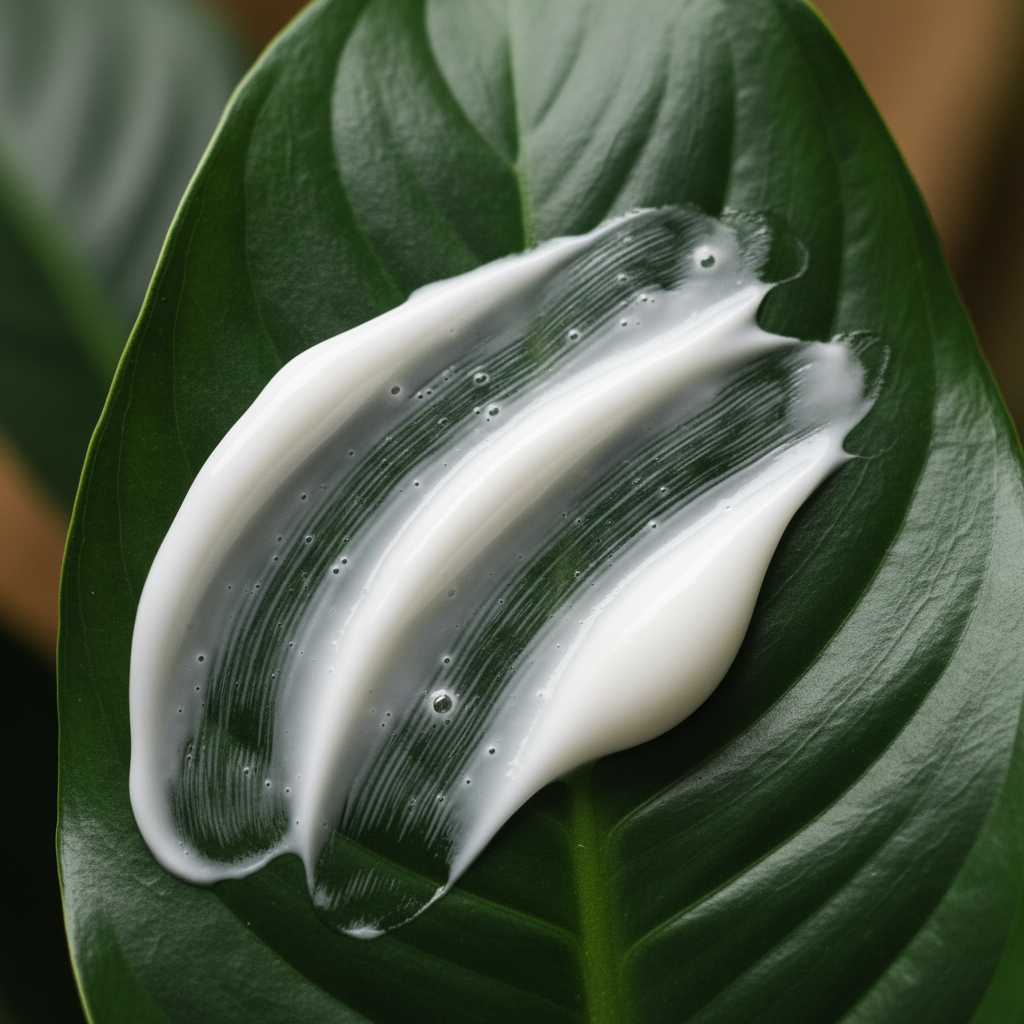
What Cooling Genuinely Does to Skin
Three effects are real and mechanistically clear.
Vasoconstriction. Cold causes blood vessels to narrow, which visibly reduces redness and flushing. This is the same principle as an ice pack on an injury and it works reliably. It is also, importantly, temporary — vessels dilate again as skin returns to normal temperature.
Reduced inflammatory signalling. Lowering tissue temperature slows inflammatory processes, which is the basis of cryotherapy in sports medicine. Applied to a flushed or irritated face, this translates into genuine short-term calming.
Transient tightening of pore appearance. Cold causes slight contraction of surrounding tissue, so pores look smaller. This is real and it is entirely temporary — pores do not have muscles and cannot be shrunk, as we cover in the pore care guide.
There is also a sensory effect that shouldn't be dismissed. Cooling is immediately, obviously pleasant on hot or irritated skin, and that perceptible payoff is a large part of why people use these products consistently. Consistency is worth something, even when the mechanism is comfort.
On measured temperature change: Dr.Jart+ publishes testing on its Cryo Rubber masks reporting a skin temperature reduction of around 11°F after a single use, on a panel of 20 women aged 20 to 60. That is manufacturer testing on a small panel rather than independent research, and it demonstrates that the mask cools skin — which was not in doubt — rather than that cooling produces a lasting skin benefit.
What It Doesn't Do
This is the part the category consistently overstates, so it's worth being blunt.
Cooling does not produce lasting structural change. There is no evidence that lowering skin temperature builds collagen, remodels the dermis, or delivers any of the durable outcomes associated with retinoids, acids, or professional treatment. The effects described above reverse as skin rewarms.
Cooling does not shrink pores permanently. The tightening is transient.
Cooling does not 'boost absorption' in the way many product pages claim. If anything, vasoconstriction reduces local circulation. Where a cooling mask does improve delivery of actives, the mechanism is occlusion — the same reason sheet masks work — not the temperature.
And cooling is not a treatment for rosacea or chronic redness. It manages a flare comfortably and it does not address the underlying condition, which is a medical one.
The honest summary: this is a symptom-management and comfort category with real, immediate, reversible physiological effects. That's a legitimate thing to buy. It just isn't an anti-ageing category, and the products increasingly priced as though it were are the ones to be sceptical of.
The Formats, Compared
Cryo rubber and alginate masks are the format driving the category's growth. A rubberised or seaweed-derived sheet sets on the face, cools as it does so, and provides occlusion over an ampoule applied underneath. The occlusion is doing more of the active-delivery work than the cooling is.
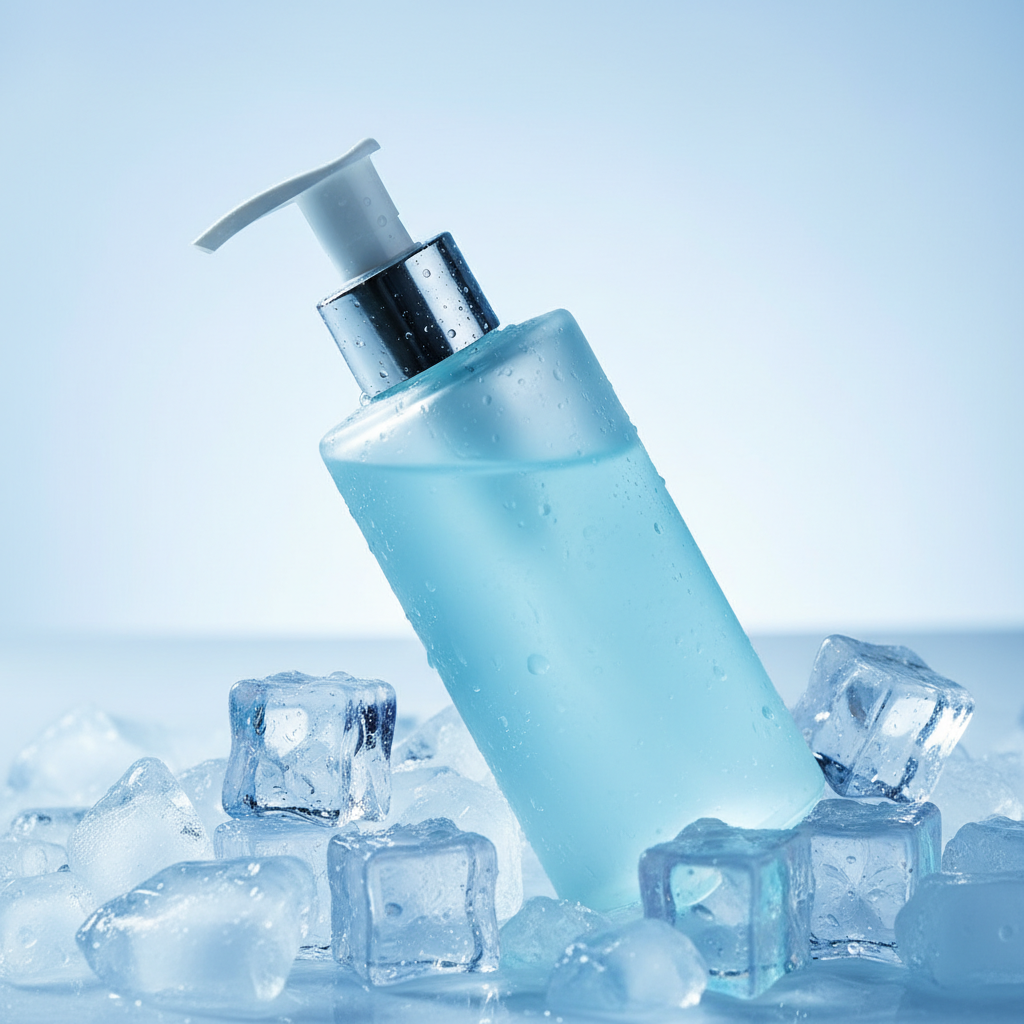
Cooling gels and aloe-based textures are the cheapest entry point and the most practical for repeated use. The cooling here is largely evaporative and brief, but for post-sun or general flushing it's perfectly adequate and costs a fraction of the mask formats.
Refrigerated products are the free version of this entire category. Storing a gel moisturiser, sheet mask, or essence in the fridge produces the same vasoconstriction as a product formulated to cool. If you want to test whether cooling does anything for your skin before committing, this is the way to do it.
Cryo tools — ice globes, chilled rollers, stainless steel wands — deliver more sustained cold than a product can and are reusable. Worth pairing with the gua sha and facial tool guidance we cover separately. The main caution is hygiene and not applying extreme cold directly to skin for extended periods.
Mentholated and 'cooling sensation' products deserve a separate warning. Menthol, peppermint, and camphor create a cooling sensation by activating cold receptors without actually lowering skin temperature. They are sensory effects, not thermal ones, and they are common irritants — a poor choice for exactly the reactive skin this category targets.
Who Actually Benefits
Genuine candidates: anyone with heat-reactive or flushing-prone skin; rosacea-prone skin managing a flare, alongside proper medical treatment rather than instead of it; post-sun skin, where the calming is legitimately useful; anyone in a hot or humid climate, which is the demographic driving the category's growth; and post-procedure skin, where cooling is standard clinical aftercare.
Less useful for: dry, cold-climate skin in winter, where the priority is barrier lipids and occlusion rather than temperature reduction; and anyone whose skin doesn't run hot, who is buying a pleasant sensation rather than addressing a problem — which is fine, as long as it's a conscious purchase.
One practical note on sequencing: cooling steps belong where they solve something. After sun exposure, after exercise, after a hot shower, during a flare. Building a cooling product into a permanent daily routine where heat isn't the issue is the most common way to overspend in this category.
And the cheapest useful version of this trend remains putting your existing gel moisturiser in the fridge.
Frequently Asked Questions
Does cooling skincare actually do anything?+
Yes, but the real effects are immediate and reversible: vasoconstriction that visibly reduces redness, slowed inflammatory signalling, and a temporary tightening of pore appearance. What it does not do is produce lasting structural change — no collagen building, no permanent pore reduction. It's a symptom-management and comfort category, which is legitimate but isn't anti-ageing.
Do cryo masks help actives absorb better?+
Not through temperature. If anything, vasoconstriction reduces local circulation. Where these masks do improve delivery, it's occlusion doing the work — the same reason ordinary sheet masks work — not the cooling. Product pages claiming cold 'boosts absorption' have the mechanism backwards.
Is there a cheap way to try this trend?+
Put your existing gel moisturiser, essence, or sheet mask in the fridge. Chilled product produces the same vasoconstriction as one formulated to cool, and it costs nothing. If that does something noticeable for your skin, the dedicated formats are worth exploring; if it doesn't, you've saved the money.
Author
Glowstice Editorial
The Glowstice editorial team consists of skincare researchers, cosmetic chemists, and science writers dedicated to translating peer-reviewed dermatology into practical guidance for curious consumers.