Affiliate disclosure: This article contains Amazon affiliate links. As an Amazon Associate, Glowstice earns from qualifying purchases — at no extra cost to you. Our editorial recommendations are independent of these partnerships. Learn more.
Category growth of this speed attracts relabelling, and a meaningful share of products now marketed as cooling are ordinary formulas with menthol added or a blue-and-white redesign. The distinction that matters is whether a product lowers skin temperature or merely triggers the sensation of cold, because those are different things with different consequences — and the second one is frequently irritating. Our full explanation of the mechanism is in the cooling skincare guide.
How We Ranked These
We prioritised actual thermal effect over cooling sensation, formulation quality independent of the cooling claim, and value — because this is a comfort category and paying luxury prices for temporary vasoconstriction is poor economics.
We also weighted repeatability. A single-use mask that costs $16 delivers one session; a gel you can refrigerate and use nightly delivers a hundred. For a category whose effects are entirely transient, cost per use is a more honest metric than it is elsewhere in skincare.
We've excluded products whose only cooling mechanism is menthol or camphor, for reasons set out below, and products that attach anti-ageing claims to cooling, which the evidence does not support.
Thermal Cooling vs Sensory Cooling
Thermal cooling means the product genuinely lowers skin surface temperature. Mechanisms: a mask that sets and conducts heat away, high water content that cools through evaporation, or a product applied cold. The physiological effects — vasoconstriction, reduced redness, slowed inflammatory signalling — follow from the actual temperature drop.
Sensory cooling means the product activates TRPM8, the cold receptor, without changing temperature at all. Menthol, peppermint, eucalyptus, and camphor all do this. Your skin reports cold; your skin is not cold.
The reason this matters beyond pedantry: menthol and its relatives are well-documented irritants and common triggers for sensitised skin. The population most drawn to cooling products — flushed, reactive, rosacea-prone — is precisely the population those ingredients are worst for. A product that makes reactive skin feel cold while irritating it is actively counterproductive.
How to check: read the ingredient list for menthol, menthyl lactate, peppermint oil, camphor, or eucalyptus. If the cooling claim rests on those, it's sensory.
Related Reading
Editor's Product Picks
Affiliate links — we earn a small commission at no extra cost to you.

Dr. Jart+ Cryo Rubber Mask With Firming Collagen
~$16
View on Amazon →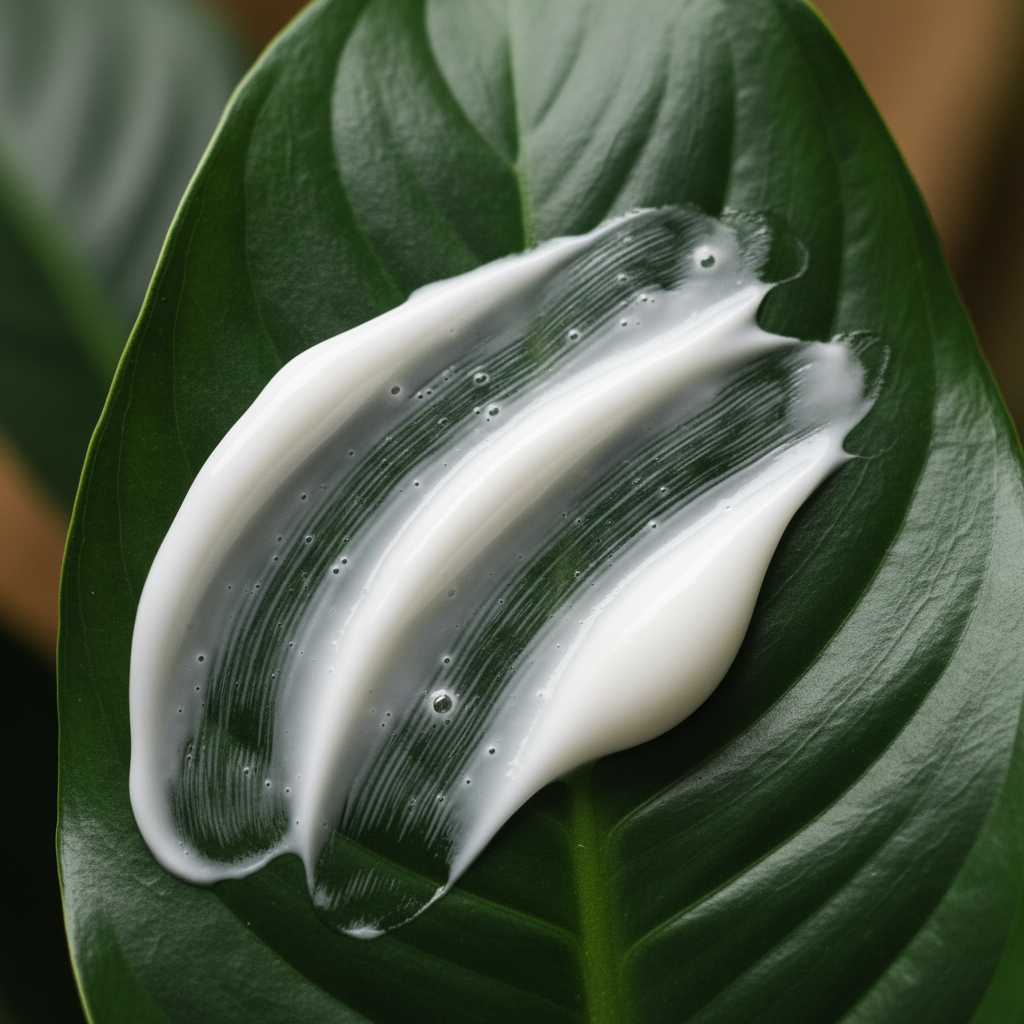

Skin1004 Madagascar Centella Watergel Sheet Ampoule Mask (5-pack)
~$16
View on Amazon →
Dr. Jart+ Dermask Water Jet Vital Hydra Solution
$36–$55
View on Amazon →What to Avoid
Menthol-based 'cooling' anything, if your skin is reactive. This is the single most common trap in the category.
Cooling products with anti-ageing claims attached. Lowering skin temperature has no demonstrated effect on collagen or dermal structure, and a product charging a premium on that basis is selling something it can't deliver.
High-priced single-use masks as a routine step. At $16 a session, a weekly habit is over $800 a year for an effect that reverses within the hour. Once in a while, for a flare or an event, is a reasonable use of the format.
Ice applied directly to skin for extended periods. Genuine cold injury is possible, and the aggressive end of the DIY ice-facial trend has real risk. A chilled tool or a cold product is sufficient; a block of ice held on one spot is not.
And be sceptical of 'cryo' as a word on packaging. It has no regulatory meaning in cosmetics and is not related to clinical cryotherapy, which uses temperatures that destroy tissue deliberately.
Top Picks Ranked
Dr. Jart+ Cryo Rubber Mask With Firming Collagen (~$16) is the product that defined this category and the best single-use option. An alginate rubber sheet sets over an ampoule, conducting heat away while occluding — the occlusion is what delivers the ampoule, and the cooling is what makes it feel remarkable. The brand's own panel testing reports a substantial skin temperature drop, which we'd read as confirming it cools rather than as evidence of lasting benefit. Best used occasionally rather than weekly.
COSRX Aloe Soothing Sun Cream SPF50 PA+++ (~$13) is our highest-value pick in the category, and it's here for a slightly contrarian reason: the most effective cooling product is the one that stops your skin getting hot in the first place. Aloe-based, genuinely soothing, and it addresses the UV exposure that drives both flushing and the heat-aggravated pigmentation we cover elsewhere.
Round Lab Mugwort Calming Serum (~$18) is the best daily calming step for heat-reactive skin. Mugwort and panthenol rather than menthol, a lightweight texture that feels cool through water content rather than through receptor trickery, and a formulation standard well above the category average. Refrigerate it and it does everything a dedicated cooling product does.
Skin1004 Madagascar Centella Watergel Sheet Ampoule Mask (~$16 for 5) is the best-value mask format. Centella-based, high water content, and at roughly a fifth the per-use cost of the rubber masks. Chill the sachet before use and the cooling is comparable.
Dr. Jart+ Dermask Water Jet Vital Hydra Solution ($36–$55) is the premium hydrating mask pick for anyone who wants the format with a better ampoule behind it. It is expensive per use and we'd only recommend it if the ritual matters to you.
Frequently Asked Questions
How do I tell real cooling from a cooling sensation?+
Read the ingredient list. If the cooling rests on menthol, menthyl lactate, peppermint oil, camphor or eucalyptus, it's sensory — those activate the cold receptor without lowering temperature. Genuine thermal cooling comes from a mask that conducts heat away, high water content that evaporates, or simply applying a product cold.
Are cryo masks worth the price?+
Occasionally, yes; weekly, no. At around $16 per single use, a weekly habit runs over $800 a year for an effect that reverses within the hour. Use them for a flare or before an event, and get your routine cooling from a chilled gel or a value hydrogel mask at a fifth the cost per use.
Can I just put my moisturiser in the fridge?+
Yes, and for most people that's the right starting point. Chilled product produces the same vasoconstriction as one formulated to cool. It costs nothing, and it tells you whether cooling actually helps your skin before you buy into the category.
Author
Glowstice Editorial
The Glowstice editorial team consists of skincare researchers, cosmetic chemists, and science writers dedicated to translating peer-reviewed dermatology into practical guidance for curious consumers.