Affiliate disclosure: This article contains Amazon affiliate links. As an Amazon Associate, Glowstice earns from qualifying purchases — at no extra cost to you. Our editorial recommendations are independent of these partnerships. Learn more.
Propolis is one of the few ingredients where the K-beauty marketing story and the scientific literature broadly agree. Bees produce it by combining plant resins with wax and their own enzymes, and use it to seal and sterilise the hive — a biological function that turns out to translate reasonably well into a topical skincare context. It has a genuine research base, particularly in wound healing. It also has a real, specific allergy risk that product marketing tends to gloss over.
What Propolis Actually Is
Propolis is a resinous material bees collect from tree buds, sap flows, and other botanical sources, then process with beeswax and salivary enzymes. Inside the hive it functions as a structural sealant and an antimicrobial barrier — bees use it to line cells, seal cracks, and encase intruders too large to remove, preventing decomposition.
That last function is the biologically interesting one for skincare purposes: propolis is, functionally, a natural preservative and antimicrobial that evolved under sustained selective pressure. Over 300 individual compounds have been identified across propolis samples, dominated by flavonoids (galangin, pinocembrin, chrysin), phenolic acids, and their esters — most notably caffeic acid phenethyl ester, or CAPE, which is the compound most frequently investigated in the research literature.
Why Composition Varies So Much
This is the single most important thing to understand about propolis, and it's rarely mentioned on product pages: propolis is not a standardised substance. Its chemical profile depends entirely on which plants the bees had access to. Brazilian green propolis (derived largely from Baccharis dracunculifolia) has a markedly different compound profile from European poplar-type propolis, which differs again from Mediterranean or Korean propolis.
The practical implication is that research findings on one geographic type don't automatically transfer to another, and two products both listing 'propolis extract' at the same percentage may contain meaningfully different actives. Brands that specify origin and standardise for a marker compound are giving you more information than brands that just print a percentage — though in practice, very few consumer products disclose this level of detail.
Related Reading
Editor's Product Picks
Affiliate links — we earn a small commission at no extra cost to you.
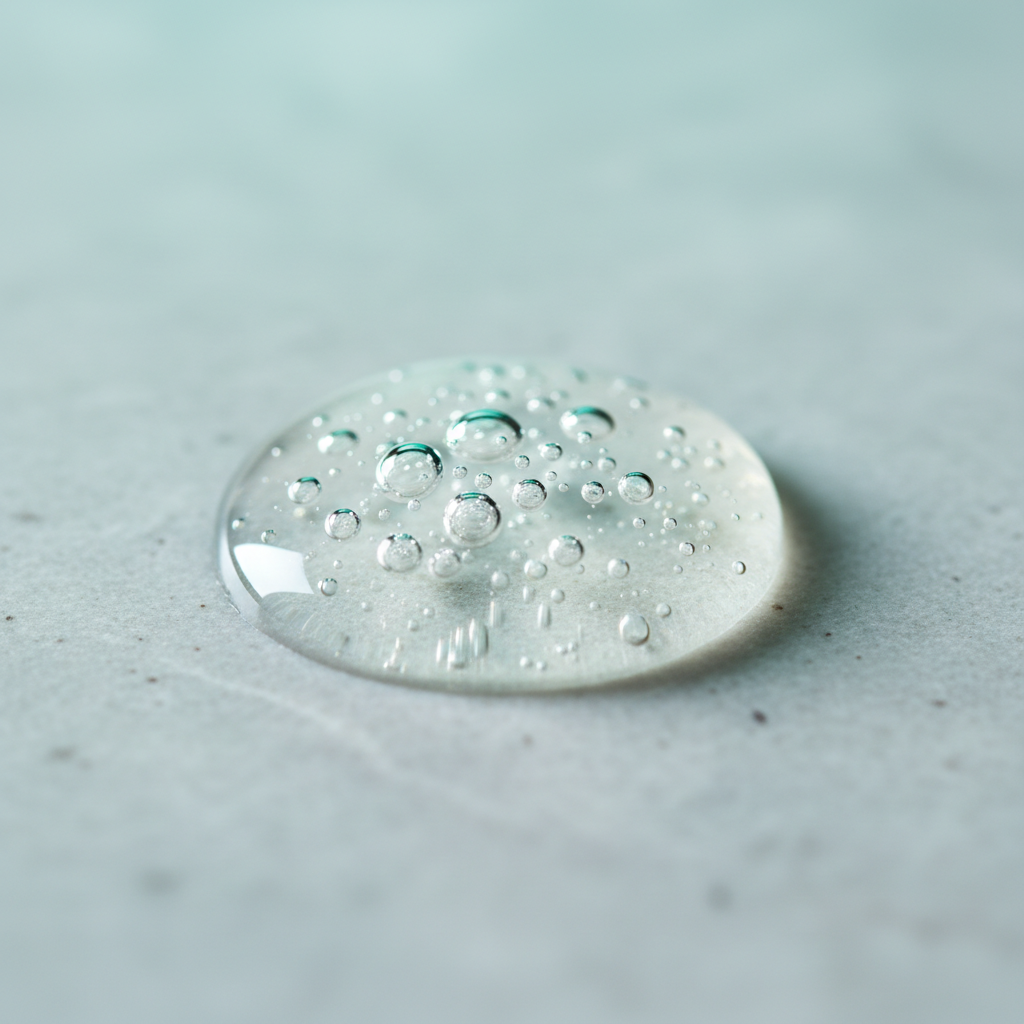
Beauty of Joseon Glow Serum: Propolis + Niacinamide
~$17–$20
View on Amazon →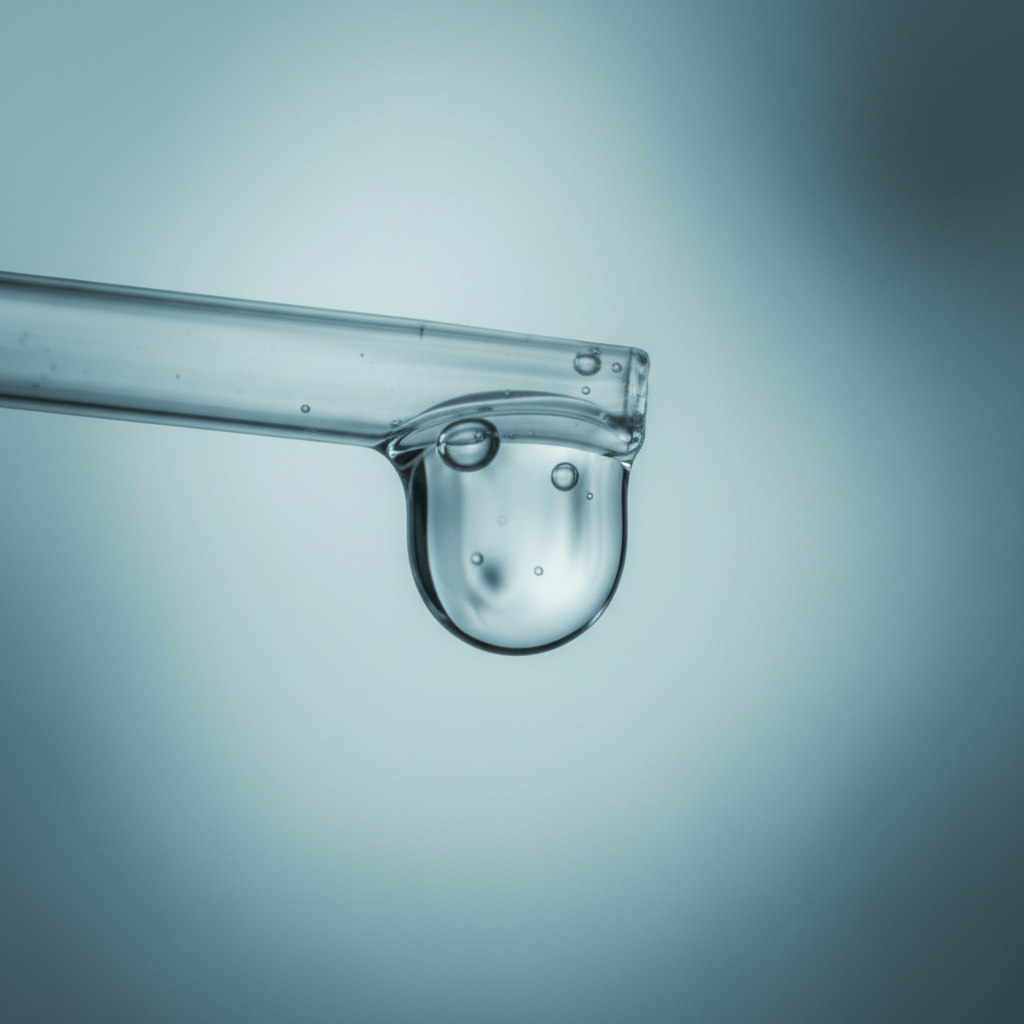
COSRX Full Fit Propolis Light Ampoule
~$24–$32
View on Amazon →
iUNIK Propolis Vitamin Synergy Serum
~$20–$30
View on Amazon →The Evidence: Wound Healing and Antimicrobial Action
Propolis has a more substantial research base than most botanical skincare ingredients, concentrated in two areas. The wound-healing literature is the stronger of the two: multiple studies, including published work on topical application of Mexican propolis, have examined its effect on wound closure and inflammatory response, with reviews of propolis-based wound dressing materials appearing in the peer-reviewed literature. The proposed mechanisms are reduced inflammatory signalling, antimicrobial suppression of wound colonisation, and antioxidant activity limiting oxidative damage during healing.
The antimicrobial evidence is similarly reasonable, with demonstrated activity against a range of bacteria and some fungi in laboratory settings. What's thinner — as with most cosmetic ingredients — is high-quality human trial data specifically on cosmetic endpoints like radiance, tone, or fine lines, which is what these products are actually sold for. The wound-healing and antimicrobial research is real; extrapolating it to 'gives you glowing skin' is a marketing leap, not a scientific conclusion.
What It Does in a Cosmetic Formula
In practice, propolis in a K-beauty ampoule or serum does a few things reasonably well. It is genuinely humectant and slightly film-forming, giving skin an immediate dewy, cushioned feel — which is the bulk of the 'glow' effect these products are named for. Its flavonoid content provides real antioxidant activity. And its antimicrobial properties give it a plausible supporting role in blemish-prone routines.
Most Korean propolis products pair it with niacinamide, which is a sensible pairing: niacinamide brings the better-evidenced brightening and barrier support, while propolis contributes antioxidant activity and the characteristic honey-like texture. If you're evaluating one of these serums, it's worth recognising that the niacinamide is likely doing more of the measurable tone work, and the propolis more of the sensory and antioxidant work.
The Allergy Caveat Worth Knowing
Propolis is a recognised contact allergen — meaningfully more so than most cosmetic botanicals. It appears on standard patch-test series used by dermatologists precisely because propolis contact dermatitis is well documented, particularly among beekeepers but also in the general population from cosmetic exposure. Reported positive patch-test rates in dermatitis patients typically fall in the low single digits, and a large European patch-test analysis covering more than 125,000 patients between 2007 and 2018 found propolis sensitisation had roughly doubled over that period — a trend usually attributed to the growing popularity of natural and bee-derived cosmetics.
If you have a known allergy to bee products, honey, or a history of reacting to propolis in lip balms or ointments, this is an ingredient to avoid rather than experiment with. Anyone with reactive skin should patch test on the inner forearm for several days before applying a high-percentage propolis ampoule to the face. This isn't a reason to avoid propolis categorically — most people tolerate it well — but it's a genuinely higher-than-average sensitisation risk that deserves a clearer mention than it usually gets.
How to Use It
Propolis serums and ampoules sit naturally after toner and before moisturiser. They're typically slightly tacky on application — that's the resin content — and layer better under a cream than over one. They pair well with niacinamide (usually already in the formula), hyaluronic acid, and peptides.
There's no strong reason to avoid combining propolis with acids or retinoids, but as with any layered routine, introducing one new active at a time is how you identify what's working and what's irritating. Propolis is not photosensitising and can be used morning or night.
Frequently Asked Questions
Can I use propolis skincare if I'm allergic to honey or bee stings?+
No — avoid it. Propolis is a recognised contact allergen that appears on standard dermatological patch-test series, and a known allergy to bee products is a clear reason to skip it entirely rather than patch test. Contact dermatitis from propolis is well documented.
Why do propolis percentages vary so much between products?+
Partly formulation choice, but also because propolis itself isn't standardised — its chemical composition depends on which plants the bees foraged. Brazilian, European, and Korean propolis have genuinely different compound profiles, so two products at the same stated percentage can contain different actives.
Does propolis actually brighten skin?+
The immediate 'glow' is mostly humectant and film-forming effect plus antioxidant activity. In most Korean propolis serums the niacinamide alongside it is doing more of the measurable tone-evening work. Propolis's strongest evidence is in wound healing and antimicrobial activity, not cosmetic brightening.
Author
Glowstice Editorial
The Glowstice editorial team consists of skincare researchers, cosmetic chemists, and science writers dedicated to translating peer-reviewed dermatology into practical guidance for curious consumers.