Bakuchiol
The plant-derived ingredient that mimics retinol — without the downsides
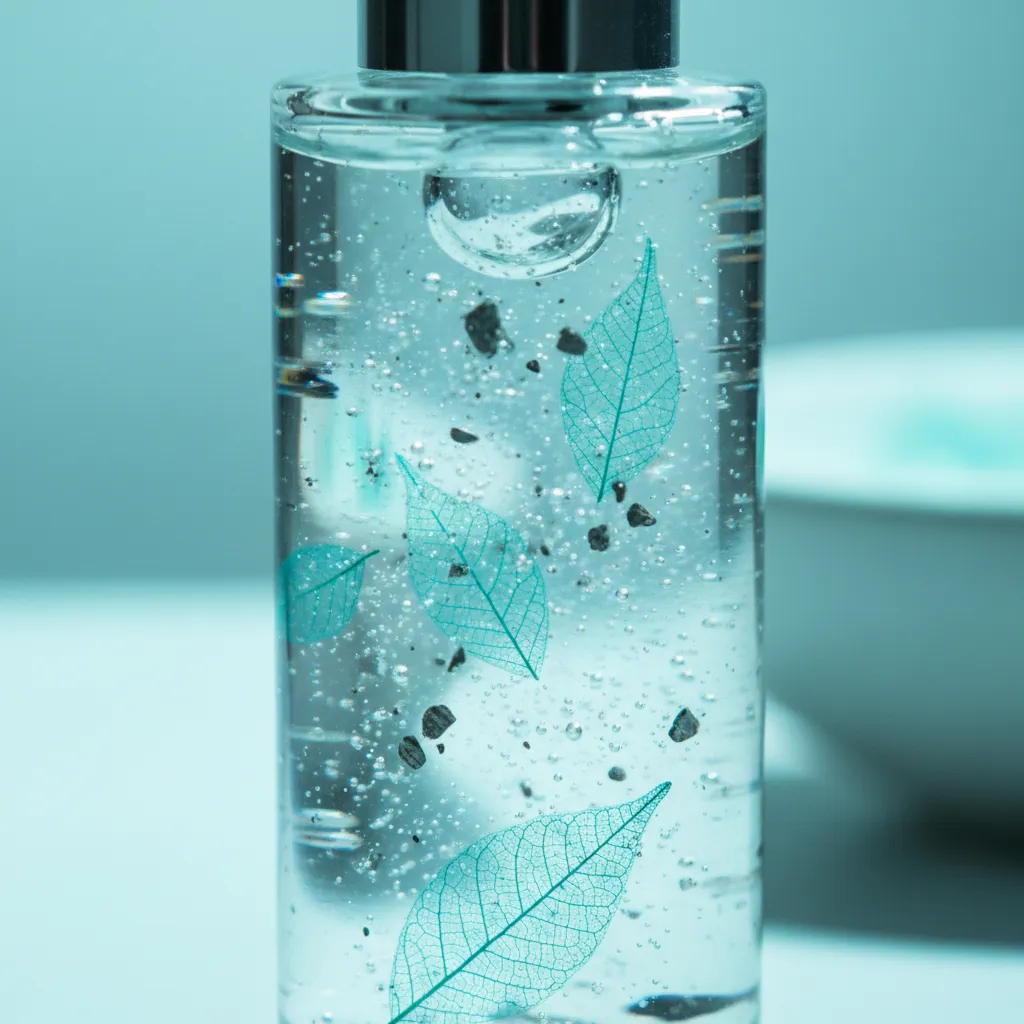
Bakuchiol is a meroterpene phenol naturally extracted from the seeds and leaves of Psoralea corylifolia, a plant used in Ayurvedic and traditional Chinese medicine. It is increasingly described as a 'retinol functional analog' — an ingredient that activates overlapping biological pathways to retinol without being chemically related to it. This distinction matters because bakuchiol delivers meaningful anti-aging benefits without the photosensitivity, initial dryness, and irritation that make retinoids inaccessible for many skin types.
How It Works
Bakuchiol activates retinol-like gene expression profiles in skin cells without binding to the same nuclear receptors (RAR/RXR) that retinoids use. This functional mimicry was established in a 2014 gene-expression profiling study by Chaudhuri and Bojanowski in the International Journal of Cosmetic Science, which demonstrated that bakuchiol upregulates retinol-responsive genes involved in collagen and elastin synthesis, and downregulates genes associated with collagen degradation (MMP-1, MMP-3). Additionally, bakuchiol exhibits antioxidant activity through free radical scavenging and anti-inflammatory activity through inhibition of 5-lipoxygenase and prostaglandin synthesis. These mechanisms collectively explain its ability to improve fine lines, skin texture, and uneven tone.
What the Research Shows
The landmark clinical study establishing bakuchiol as a retinol alternative was a double-blind, randomized, 12-week study published in the British Journal of Dermatology (2019) by Dhaliwal et al., comparing 0.5% bakuchiol twice daily to 0.5% retinol once daily. Both groups showed statistically significant improvements in lines and wrinkles, pigmentation, elasticity, firmness, and photodamage. Crucially, the retinol group experienced significantly more dryness, scaling, and stinging — while bakuchiol users reported minimal adverse effects. A 2020 follow-up study confirmed bakuchiol's safety and efficacy for twice-daily use, supporting its utility for those unable to tolerate retinoids.
How To Use It
Bakuchiol is effective at concentrations of 0.5–2%. Unlike retinol, it can be used both morning and evening without photosensitivity concerns, and does not require a gradual introduction period — it can be used daily from the outset. Apply after cleansing and toning, before moisturizer. For anti-aging benefits, twice-daily use (as in the key clinical study) is optimal. It is one of the few actives considered safe to use during pregnancy, though consulting a healthcare provider remains advisable.
Layering Guide
Bakuchiol is extremely flexible and compatible. It can be layered with vitamin C (morning), niacinamide, hyaluronic acid, and SPF without issue. For those transitioning from retinol, bakuchiol can be used alongside low-concentration retinoids on the same evenings to boost efficacy while reducing irritation risk. It pairs well with peptide moisturizers and ceramide creams. There are no known negative interactions with other skincare actives.
Cautions & Compatibility
Bakuchiol has an excellent safety profile. It is not photosensitizing (unlike retinol), making morning use safe. It is generally considered pregnancy-safe based on its plant origin and lack of systemic absorption studies showing risk — however, pregnant individuals should always consult their healthcare provider before adding any new active to their routine. Patch testing is advisable for individuals with known botanical allergies.
Shop by Product Type
Each link opens an Amazon search for that type of product, not a single product we've verified. Check the brand and seller before you buy.
Bakuchiol Serum 1%
Concentrated serum
Bakuchiol + Peptide Moisturizer
Anti-aging moisturizer
Bakuchiol Eye Cream
Eye contour treatment
As an Amazon Associate, Glowstice earns from qualifying purchases, at no extra cost to you. Links checked on September 27, 2026. Learn more · How we evaluate products
Related Ingredients